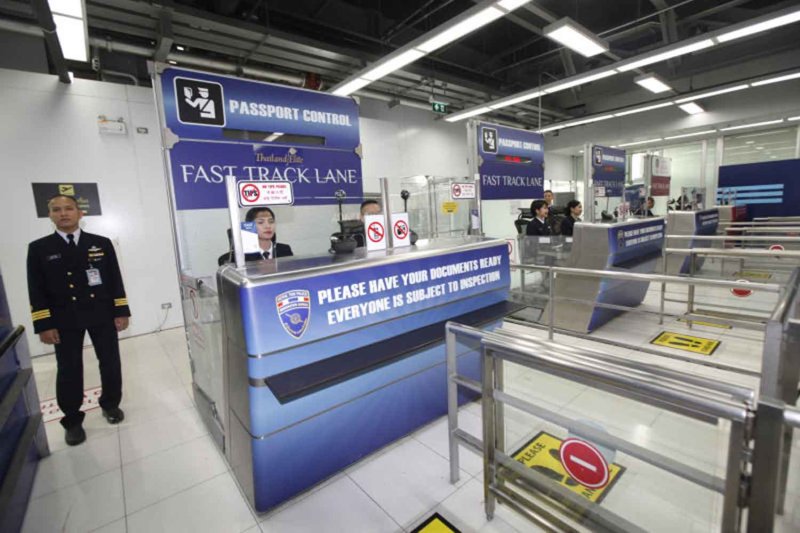
The visa-free entry policy introduced in Thailand, aimed at boosting tourism recovery, is currently under review. Authorities are assessing the economic benefits of this policy against the increasing security concerns. The visa-free stay has been extended to include 93 countries, with the duration increased from 30 days to 60 days, with an option for a further 30-day extension.
However, there is growing concern that some foreigners may be using the visa-free entry for purposes beyond tourism. Reports have emerged of foreigners establishing businesses or engaging in illegal activities, such as unauthorized work, cross-border fraud, and organized crime networks.
Details of the Event
The Ministry of Foreign Affairs has proposed reducing the visa exemption period to 30 days as a means to curb misuse and improve the overall quality of visitors. However, tourism operators question whether this move will effectively address the issue. Chamong Putsong, president of the Hua Hin-Cha Am Tourism Association, confirmed that reducing the stay period would have limited impact on short-term visitors who typically spend less than a month in Thailand.
Instead, this move will affect long-staying tourists, particularly Europeans who travel to Thailand during the winter and often stay for extended periods. Chamong noted that many of them are retirees who rent residential units instead of hotels, leading to a steady, albeit modest, daily expenditure.
Background & Context
Tourism is a major source of revenue in Thailand, significantly contributing to the national economy. The visa-free entry policy was introduced as part of the government's efforts to bolster this sector following the impact of the COVID-19 pandemic. However, the security challenges facing the country, including crimes associated with foreigners, have prompted authorities to reassess this policy.
Historically, Thailand has been a favored destination for tourists from around the world, but with the rise in foreign-related crimes, it has become necessary to implement stricter measures. Officials have indicated that many foreigners arrested in criminal cases entered the country under the visa exemption arrangements.
Impact & Consequences
Estimates suggest that reducing the stay period could lead to a significant drop in tourism revenue, as long-staying visitors account for approximately 30% of total arrivals. If the exemption period is shortened, tourist income in areas like Hua Hin and Cha Am could decline by as much as 50%.
On the other hand, some experts assert that reducing the stay period will not resolve key issues such as overstaying or illegal work. They suggest that a more effective solution would be targeted inspections in areas known for high concentrations of visitors who overstay their permits.
Regional Significance
This issue is particularly significant for Arab visitors, as many tourists from Gulf Cooperation Council (GCC) countries prefer to spend their holidays in Thailand. If the stay period is reduced, it may impact travel plans and holiday budgets. These changes could also drive Arab tourists to seek alternative destinations.
In conclusion, tourism in Thailand remains a focal point of interest, but the security and economic challenges require a delicate balance between promoting tourism and ensuring safety. The current review of the visa-free entry policy will continue to be a hot topic in future discussions about the future of tourism in the country.