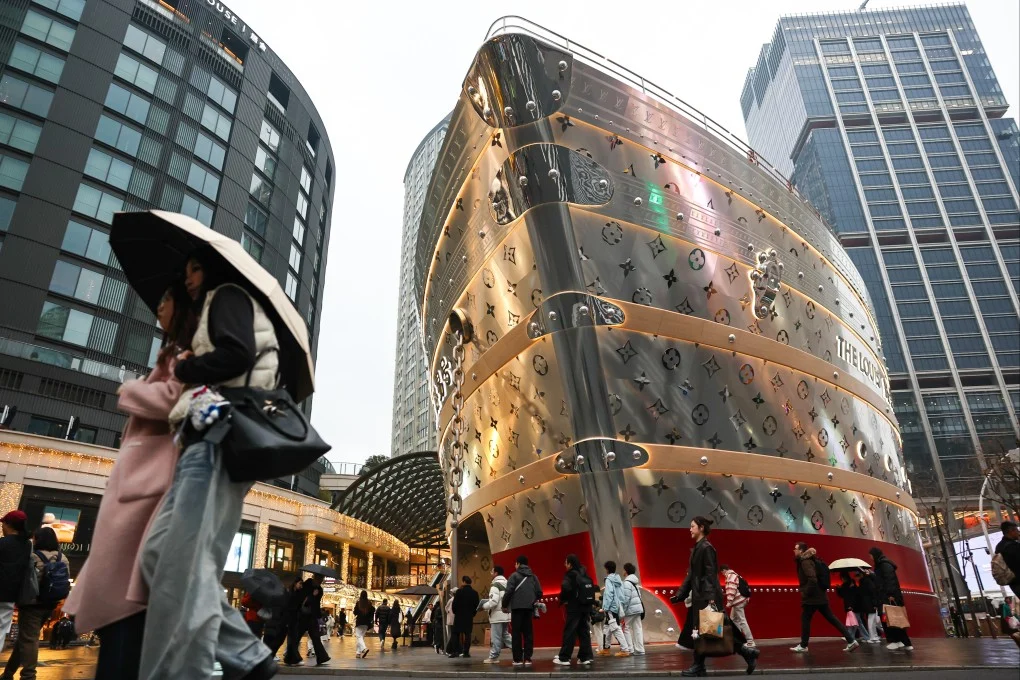
Economic forecasts suggest that the global luxury market will witness a notable recovery in 2026, with the anticipated revival of the Chinese economy being a critical factor in this shift. This follows a relatively stagnant 2025, positioning the upcoming year as a pivotal period for the luxury industry.
According to reports from global banks such as HSBC, Deutsche Bank, and BNP Paribas, luxury sales growth is expected to range between 5.5% and 6%, reflecting increasing optimism regarding the market's ability to recover and expand.
Event Details
These forecasts emerge at a time when the global economy faces multiple challenges, including geopolitical conflicts such as the war in Iran, which cast shadows over markets. However, the expected recovery in China, one of the largest luxury markets in the world, could significantly contribute to global growth.
The Chinese market is a major driver of the luxury industry, with Chinese consumers showing an increasing willingness to spend on luxury goods. This trend reflects changes in consumer behavior, as individuals seek to enhance their quality of life following periods of economic challenges.
Background & Context
Over the past few years, the luxury industry has experienced significant fluctuations due to the impacts of the COVID-19 pandemic and economic crises. Nevertheless, current forecasts indicate that the market has begun to recover, with consumers demonstrating a greater readiness to spend on luxury items.
Historically, China has represented a substantial portion of global demand for luxury products, making the Chinese market one of the largest luxury markets worldwide. The anticipated recovery in 2026 could serve as a turning point for the industry, reflecting the market's ability to adapt to economic changes.
Impact & Consequences
If this expected growth materializes, it will significantly impact global companies that rely on the Chinese market. Luxury brands are anticipated to benefit from increased demand, potentially leading to heightened investments and market expansion.
Moreover, growth in the luxury market could contribute to bolstering the global economy, likely resulting in the creation of new job opportunities and an increase in tax revenues for the involved countries.
Regional Significance
For the Arab region, the recovery in the global luxury market may open new avenues for trade and investment. Many Arab countries are striving to enhance their tourism and luxury sectors, positioning themselves well to capitalize on this global trend.
Additionally, the rising demand for luxury products could strengthen collaboration opportunities between Arab and global companies, contributing to the development of the local market and increasing investments.
The anticipated recovery in the global luxury market in 2026, driven by China's revival, is seen as a positive indicator of the market's capacity to recover and grow. However, the greatest challenge remains how to navigate the global crises that may impact this trend.