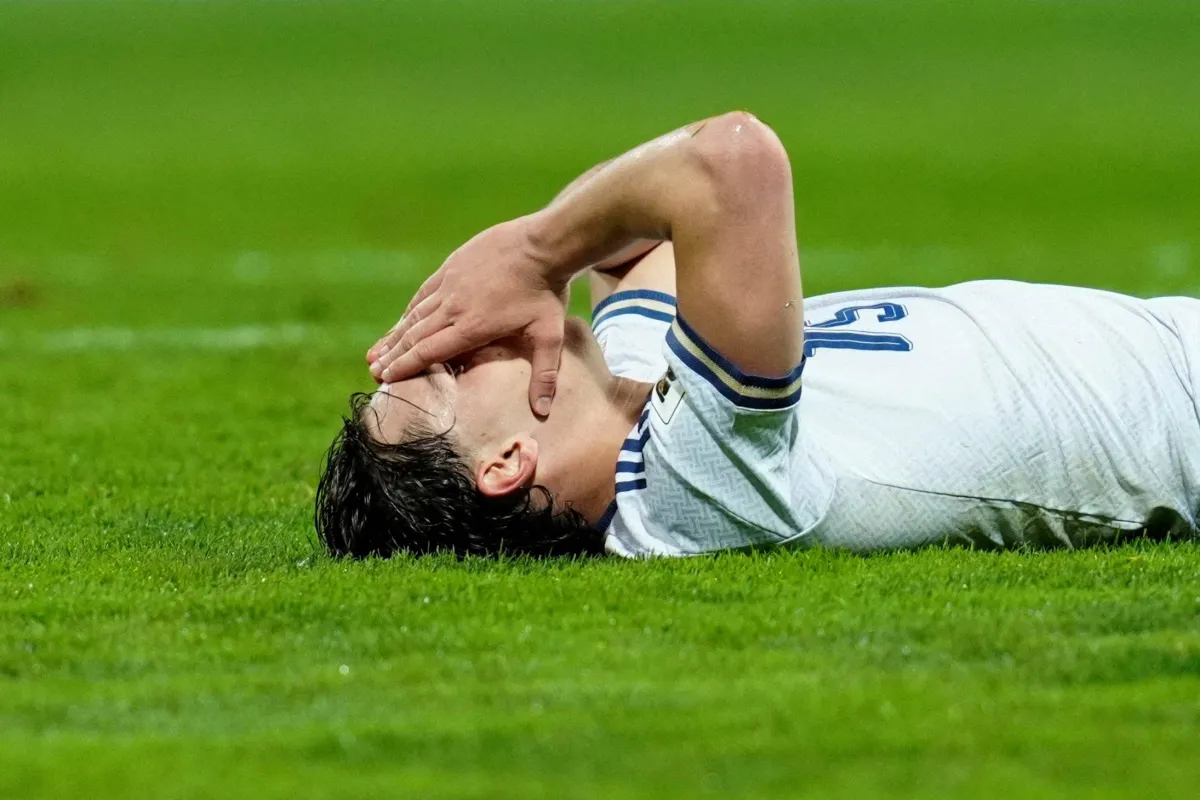
The content of a 900-page report presented by Italian football legend Roberto Baggio has resurfaced in discussions among fans following Italy's failure to qualify for the World Cup for the third consecutive time. This repeated failure has raised questions about the future of Italian football and the importance of the recommendations made by Baggio over 15 years ago.
In August 2010, Baggio was appointed as the head of the technical sector at the Italian Football Federation, and in December 2011, he presented a comprehensive report proposing radical reforms in the federation's training methods and pathways for developing young talent. However, Baggio resigned from his position in 2013, citing that his recommendations had been completely ignored.
Details of the Report
According to the Italian newspaper La Gazzetta dello Sport, Baggio called for adequate sports facilities, aiming for the Italian Football Federation to manage 100 different training centers. He also proposed changing the federation's approach to training coaches and administrators, emphasizing the importance of quality education and diverse experiences for trainers.
Baggio's report also included the establishment of a permanent study team comprising members from the federation and academic researchers, along with improving data collection in the youth sector. He aspired to hold 50,000 matches annually for young Italian talents to prove their worth. However, these proposals were ignored 15 years ago, raising questions about whether Italy will reconsider these recommendations now.
Background & Context
Historically, Italy has been one of the powerhouses in global football, having won four World Cup titles. However, recent years have seen a noticeable decline in the national team's performance, leading to its failure to qualify for the World Cup. These recurring crises have created an urgent need to reassess training and development strategies in the country.
In the wake of the recent failure, the president of the Italian Football Federation, Gabriele Gravina, and the delegation leader, Gianluigi Buffon, submitted their resignations, paving the way for radical changes in the management of Italian football. There are expectations that the current coach, Gennaro Gattuso, will follow a similar approach, increasing pressure on the federation to search for a new coach and president.
Impact & Consequences
Reports are increasing regarding the potential return of former Italian national team coach Roberto Mancini to take charge again, especially if Giovanni Malagò assumes the presidency of the federation. Mancini, who led Italy to victory in the UEFA Euro 2020, could be the ideal choice for rebuilding the team.
The current phase of Italian football requires rethinking how players are developed, as the excessive focus on tactical approaches rather than technique remains a topic of discussion. Reviving Baggio's recommendations could be a positive step towards improving the overall performance of the national team.
Regional Significance
Football is an important part of the culture in many Arab countries, with millions of fans following matches and tournaments. Italy's failure to qualify for the World Cup may pique the interest of Arab fans, who see it as an opportunity to discuss football development strategies in their countries.
Moreover, reconsidering training methods and talent development could inspire Arab nations to adopt similar strategies, contributing to enhancing the level of football in the region.
In conclusion, Baggio's report represents an opportunity to reassess Italian football, and it could have positive impacts on the development of the game across the entire region.