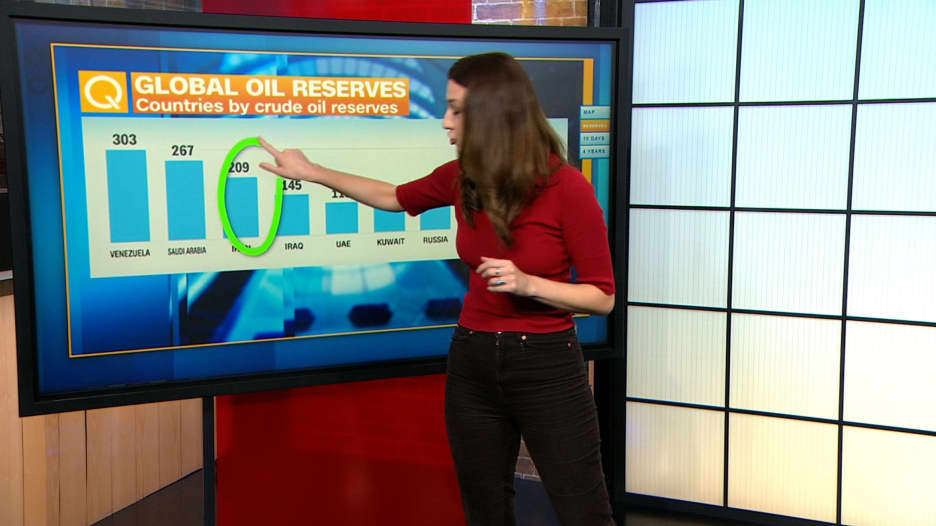
The ongoing Iranian conflict has revitalized the illicit oil trade, benefiting various parties as U.S. sanctions are eased. This development reflects a growing divide between the United States and its European allies, raising questions about its impact on global markets.
The illicit oil trade is one of the most significant challenges faced by governments worldwide, as it contributes to financing armed groups and fuels regional conflicts. With increasing economic pressures on Iran, it seems this trade has found a new opportunity for revival.
Details of the Event
Reports indicate that the easing of U.S. sanctions on Iran has contributed to an increase in the volume of illicit oil trade. Some companies and actors have exploited this situation to expand their activities in the black market. This has led to an increased flow of Iranian oil into global markets, despite warnings about the associated risks.
At the same time, concerns have grown that these activities could exacerbate regional conflicts, as armed groups benefit from the revenues generated by this trade. Furthermore, this situation deepens the gap between the United States and its European allies, who differ in their approaches to Iran.
Background & Context
Historically, Iran has been under the weight of strict economic sanctions imposed by the United States for several years, negatively affecting its economy. However, the ongoing conflict in the region, including disputes in Iraq and Syria, has provided Iran with an opportunity to bolster its influence by supporting armed groups.
The illicit oil trade is part of Iran's strategy for economic survival, as it seeks to circumvent sanctions by selling oil illegally. These activities have strengthened relations between Iran and certain countries looking to benefit from Iranian oil at low prices.
Impact & Consequences
The ramifications of this situation extend beyond Iranian borders, affecting global markets in general. The increased flow of Iranian oil to the black market could lead to fluctuations in oil prices, impacting the global economy. Additionally, this situation may enhance the financing capabilities of armed groups, escalating conflicts in the region.
Moreover, the growing divide between the United States and its European allies could exacerbate political crises. Some European countries are seeking to maintain their trade relations with Iran, while the United States is pushing for stricter sanctions.
Regional Significance
Arab countries are directly affected by this situation, as a revival in the illicit oil trade could lead to increased tensions in the region. Neighboring countries to Iran, such as Iraq and Syria, may face greater challenges amid rising illicit activities.
This situation could also impact the stability of oil prices in the region, reflecting on the economies of Arab countries that heavily rely on oil revenues. Under these circumstances, Arab nations must be more cautious in their dealings with Iran and closely monitor market developments.