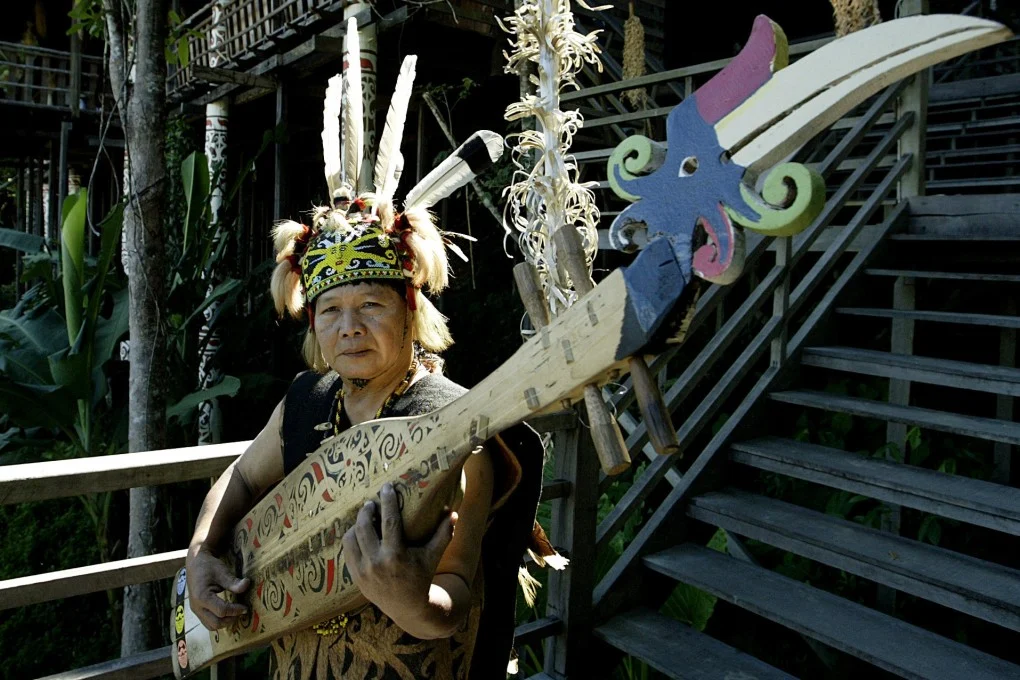
Interest in the traditional Malaysian musical instrument, the sape, is being revived as artisan Salomon Gao restores its production traditions rooted in spirituality. The sape is a cultural symbol in Sarawak, playing a pivotal role in celebrations and folklore.
Gao, who inherited his craft from his ancestors, draws on stories about how spirits taught villages how to create this traditional musical instrument. He notes that the first version of the sape had two strings, while the four-string version is considered relatively modern. Through the revival of this instrument, Gao aims to preserve Malaysian cultural heritage and introduce new generations to its significance.
Event Details
The sape is one of the traditional musical instruments that reflects the cultural identity of the people of Borneo. It is made from carved wood and is characterized by its unique sound, which is used in social and religious occasions. In recent years, the sape has seen increasing interest from young people who are eager to learn to play it and revive it in cultural events.
The sape is used in a variety of occasions, ranging from traditional celebrations to social events, where it is played at weddings and festivals. Playing the sape is considered an art that requires skill and precision, placing artisans like Gao in a crucial position to maintain this heritage.
Background & Context
The roots of the sape date back centuries, where it was used in religious rituals and celebrations. It is believed that spirits showed people how to make this instrument, making it part of the spiritual culture of the region. Over the years, the sape has evolved from a simple instrument to a cultural symbol that expresses Malaysian identity.
The sape is considered part of Malaysia's intangible cultural heritage and has been included in the UNESCO list of cultural heritage of humanity. This recognition reflects the importance of the sape as part of Malaysian cultural identity and enhances efforts to preserve it.
Impact & Consequences
With the growing interest in cultural heritage, the revival of the sape could enhance cultural tourism in Malaysia. Tourists from around the world are interested in cultural experiences, which could contribute to boosting the local economy. Additionally, the revival of the sape may encourage more cultural and artistic events that highlight Malaysian heritage.
Moreover, this increasing interest could foster national pride among Malaysians, as cultural heritage is considered an essential part of national identity. By educating new generations about the sape, connections between individuals and communities can be strengthened.
Regional Significance
The revival of cultural heritage in Malaysia can serve as a model for Arab countries, where some cultures face marginalization. Arab nations can benefit from Malaysia's experience in promoting cultural heritage by organizing cultural events that highlight traditional arts and folk music.
Traditional arts are an important part of Arab cultural identity and can contribute to enhancing national pride and belonging. By supporting artisans and artists, Arab countries can elevate their cultural standing on the global stage.
In conclusion, the revival of the sape in Malaysia demonstrates the importance of preserving cultural heritage and highlights how traditional arts can enhance national identity and contribute to economic development. This model serves as an inspiration for Arab countries to preserve and promote their cultural heritage.