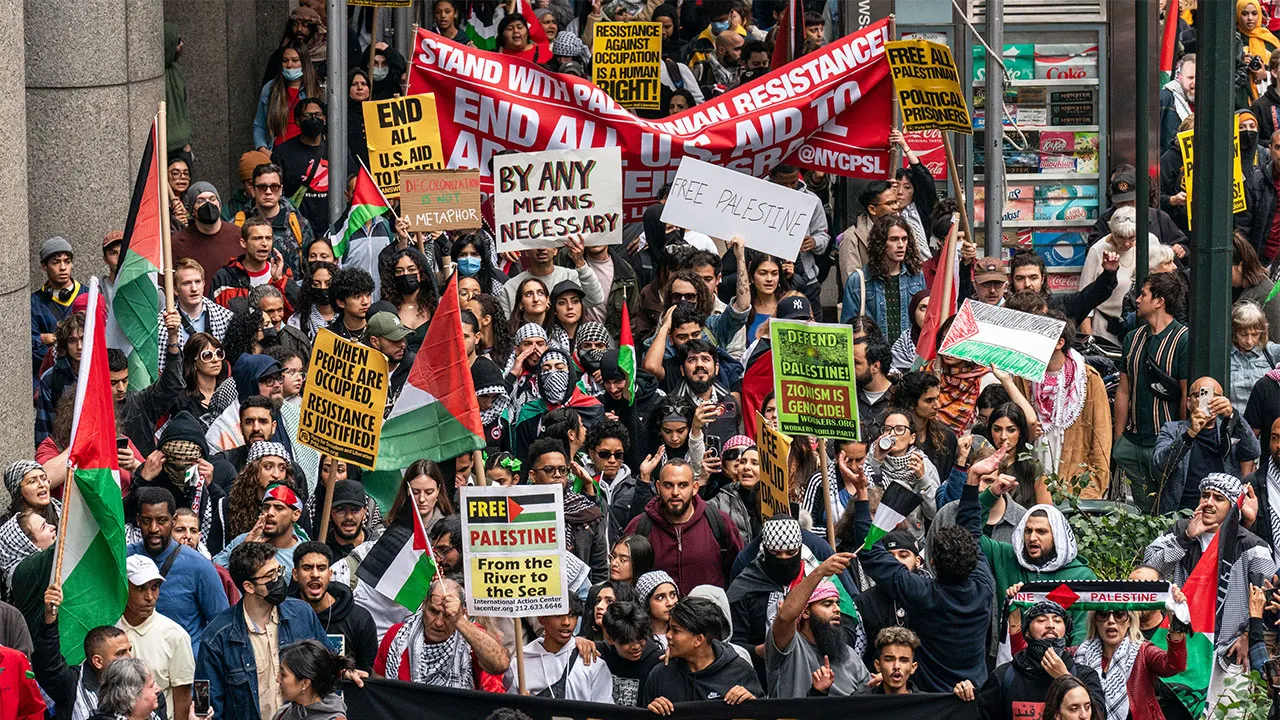
Reviving popular presence in the political arena is one of the essential elements contributing to the production of new forms of resistance and expanding the circle of participants. At a time when the Arab and Palestinian communities are suffering from multiple crises, it is evident that the social structure has undergone remarkable fragmentation, necessitating a reevaluation of political and social working mechanisms.
The fundamental idea around which current discussions should revolve is how to restore popular effectiveness in political decision-making. Societies that lack their voice in politics are often vulnerable to marginalization and exploitation. Therefore, enhancing popular participation is a necessary step to renew hope in achieving national goals.
Event Details
The importance of reviving popular participation in politics manifests through several aspects, including enhancing political awareness among individuals, increasing participation in political events, and activating the role of civil society. These elements are essential for building a strong society capable of facing challenges.
Moreover, expanding the base of participants in resistance requires new strategies that go beyond traditional methods. Resistance is not only in its military form but also includes cultural, social, and economic resistance. Thus, there must be integrated efforts that encompass all segments of society.
Background & Context
Historically, the Arab region has witnessed numerous political and social transformations that have directly impacted the Palestinian cause. Since the Nakba in 1948, Palestine has suffered from occupation and displacement, leading to the erosion of national identity. In recent years, challenges have increased with the escalation of Israeli violations, necessitating an effective response from the Palestinian and Arab communities.
In this context, enhancing popular participation in politics is a natural response to the escalating crises. The Palestinian people need to regain the initiative in their cause, which requires activating the role of political and social institutions.
Impact & Consequences
The revival of popular participation in politics is not limited to Palestine; its effects extend to other Arab countries. Societies that suffer from political marginalization are often prone to social and economic tensions. Therefore, enhancing political participation can contribute to achieving stability in the region.
Furthermore, expanding the base of participants in resistance may lead to the formation of new alliances among political and social forces, thereby enhancing the community's ability to face challenges. These new dynamics could contribute to creating a more open and diverse political environment.
Regional Significance
The Palestinian cause is a central issue in Arab politics, and any progress on this file may directly affect relations between Arab countries. Enhancing popular participation in Palestinian politics could help reshape the Arab stance towards the issue, potentially leading to new diplomatic moves.
In conclusion, reviving popular presence in politics is not merely a Palestinian demand; it is an Arab necessity. Societies that regain their voice in politics are capable of facing challenges and building a better future.