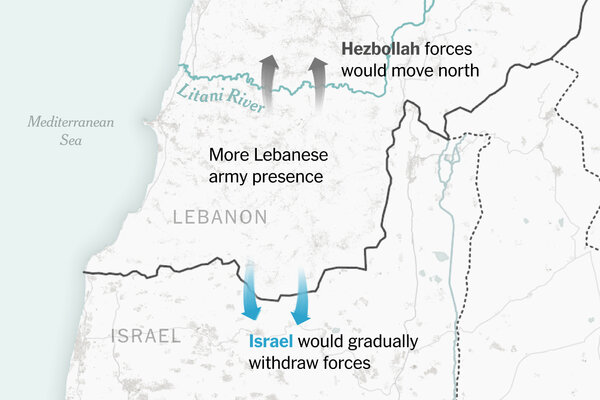
Israel is pursuing its strategic objectives by focusing on the Litani River in Lebanon, which brings to mind the memories of the Nakba experienced by the Palestinians. This move comes at a sensitive time, as tensions in the region are escalating and competition for water resources intensifies.
Israel believes that controlling the Litani River could enhance its water security, which raises alarms for the Lebanese government and the international community. These actions are part of a decades-long Israeli policy aimed at expanding its influence in the region at the expense of neighboring countries' rights.
Details of the Event
Israel's plans include establishing water projects on the Litani River, which could lead to a reduction in Lebanon's share of water. Reports indicate that these projects may involve building dams and expanding irrigation channels, which will adversely affect the local environment and communities that rely on this river.
Historically, the Litani River has been a vital source of water in Lebanon, flowing through multiple regions and supporting agriculture and industry. However, Israeli threats could exacerbate the water crises in Lebanon, which is already suffering from severe water shortages.
Background & Context
The roots of the conflict over water resources in the region date back decades, with Israel always seeking to secure water sources for itself, especially in light of climate changes affecting the area. Recent years have seen a rise in tensions between Lebanon and Israel, complicating the situation further.
The Nakba is a painful historical event for Palestinians, as they lost their lands and rights. Today, it seems that Israel is reproducing this scenario through its attempts to control Lebanon's water resources, raising fears of history repeating itself.
Impact & Consequences
If Israel continues to implement its plans, it will exacerbate the humanitarian situation in Lebanon, where residents will suffer from water shortages. This could also escalate the conflict between Lebanon and Israel, potentially impacting stability across the entire region.
These conditions require an urgent international response, as the global community must intervene to protect Lebanon's water rights and ensure that the Nakba is not repeated. Any escalation in this context could have serious repercussions for regional security.
Regional Significance
The issue of water is a vital concern in the Arab world, where many countries suffer from severe shortages of water resources. The rising tensions surrounding the Litani River could have negative effects on relations between Arab states and intensify existing conflicts.
Ultimately, Arab countries must unite to face water challenges and work towards enhancing regional cooperation to protect their rights to natural resources. The hope for achieving peace and stability requires joint efforts to address the challenges threatening the future of the region.