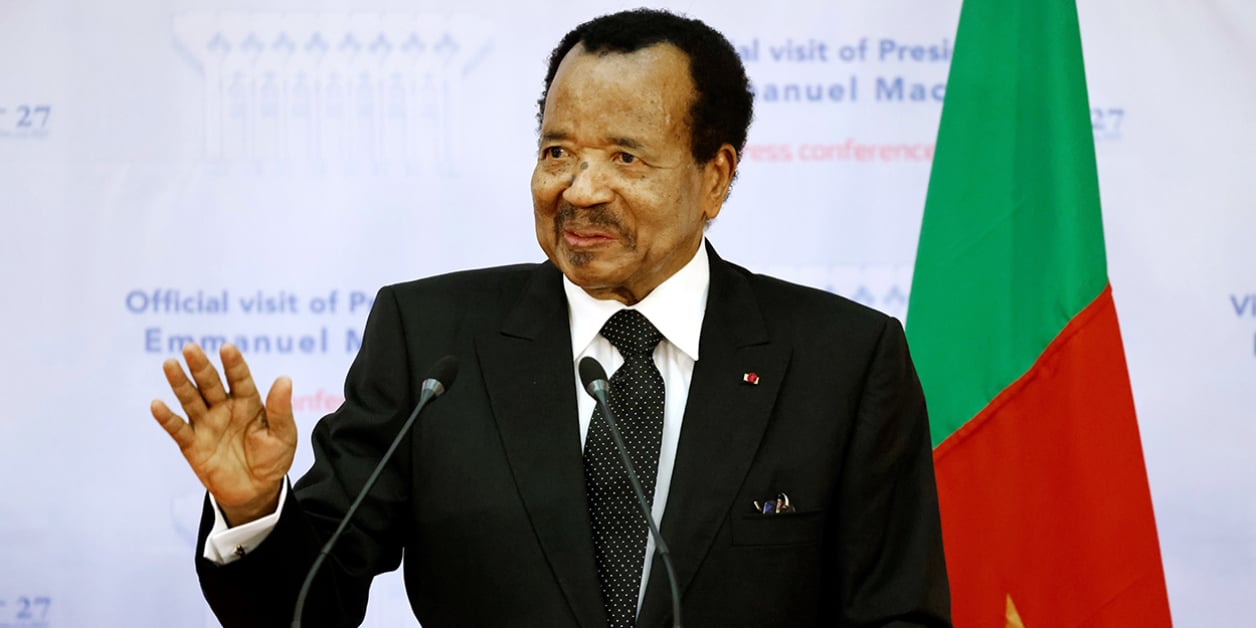
Cameroon's lawmakers have reinstated the vice presidency, granting the aging president significant control over this position. This decision comes amid ongoing political and economic challenges in the country, as President Paul Biya, who has been in power since 1982, seeks to strengthen his authority amid increasing criticism regarding the management of the nation.
The constitutional amendment was approved during a parliamentary session, where lawmakers voted in favor of reviving the position that had been abolished in 2018. This decision is seen as a strategic move aimed at enhancing political stability in the country, especially in light of the multiple crises facing Cameroon.
Details of the Event
The revival of the vice presidency was approved by a large majority, with lawmakers viewing it as a pressing necessity given the current circumstances. This decision gives President Paul Biya the ability to appoint a vice president, thereby bolstering his authority and granting him greater control over state affairs.
This amendment comes at a time when the president is facing significant challenges, including security and economic crises. The decision has sparked mixed reactions among the Cameroonian public, with some viewing it as a reflection of the president's desire to consolidate power, while others see it as a step towards stability.
Background & Context
Historically, Cameroon has undergone significant political changes since gaining independence from French colonial rule in 1960. Paul Biya assumed power following a military coup, and since then, the country has faced numerous challenges, including internal conflicts and corruption.
In recent years, protests against the government have intensified, with citizens demanding political and economic reforms. This pressure has led the government to take some steps, such as reviving the vice presidency, which some view as an attempt to calm the situation.
Impact & Consequences
This decision is expected to have a significant impact on the political landscape in Cameroon. With the appointment of a vice president, the dynamics of power within the government may change, potentially leading to shifts in public policy.
Moreover, this decision could affect the relationship between the government and the opposition, as it may lead to increased tensions if the opposition perceives this amendment as a means to enhance the president's individual power.
Regional Significance
Cameroon is part of the West African region, which faces numerous political and economic challenges. This decision may influence neighboring countries, as some leaders might draw inspiration from this move to strengthen their own powers.
Additionally, stability in Cameroon directly impacts regional security, especially given the security threats facing the area, such as terrorism and illegal migration.
In conclusion, the revival of the vice presidency in Cameroon reflects the challenges the country faces and raises questions about the future of governance amid ongoing public pressures.