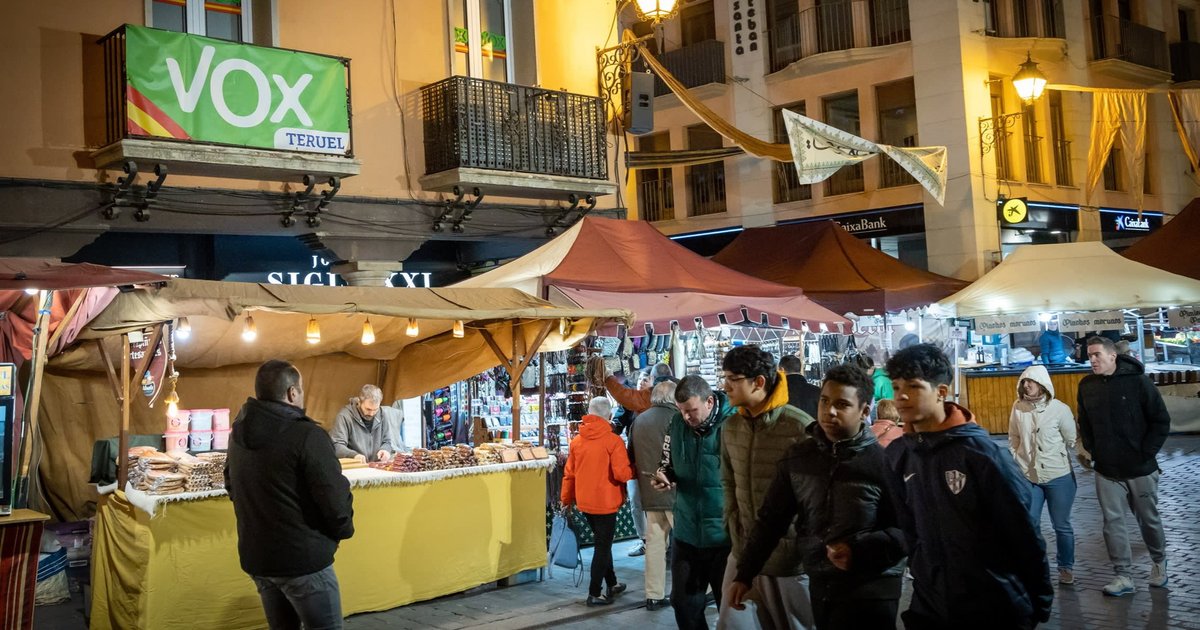
Recent indicators suggest a significant shift in the attitudes of Spanish youth, with male respondents showing a noticeable increase in their inclination towards right-wing ideology, a phenomenon not seen in decades. In contrast, young women in Spain continue to show a greater tendency towards leftist ideas. This transformation is indicative of deep changes within the social and political fabric of the country, generating concern among observers and analysts.
In recent years, Spain has experienced rapid changes in the political landscape, starting from the global financial crisis in 2008, through the emergence of the left-wing 'Podemos' movement, and the rising tide of right-wing nationalist sentiments. Political orientations have been volatile over the past two decades, with opinions sharply divided between supporters and opponents of economic and social policies. However, the growing trend towards the right poses a greater question amid a resurgence of what might be termed 'nationalist spirit.'
In this context, a recent study revealed that the percentage of young males identifying as supporters of right-wing parties has increased significantly. While this trend coincides with a global rise in the popularity of far-right parties, it underscores local dimensions that may influence the country’s future.
It is noteworthy that the reasons driving Spanish youth towards embracing these ideas are diverse. Economic and social crises may play a substantial role in this shift, as many young people turn to parties that promise stability and security. Additionally, the spread of fear regarding immigration and high unemployment rates has prompted some to seek safe havens that represent their cultural and social identity.
Ultimately, the acknowledgment that young women still maintain leftist positions can be seen as an indicator of differing priorities between genders. The disparities in the attitudes of youth in Spain challenge traditional party systems and fuel discussions around national identity and political futures. We must ask: how will these dynamics shape political choices in the near future?
The historical context of Spain reflects diverse challenges, from General Francisco Franco’s regime to the current decade. Economic, political, and social factors form a basis for present tensions. New generations are complex, carrying new sets of values and beliefs.
Some link the rise of right-wing sentiment in Spain to similar trends in various parts of the world, where these waves represent growing anger over unemployment and poverty. With issues like immigration and climate change at the forefront, it seems traditional political choices are beginning to lose their appeal. This may explain why right-wing parties are viewed as more attractive to young males, who feel anxious about an unstable future.
While the focus is on Spain, this pattern of shift is also not alien to Arab countries. Despite differing contexts, some Arab nations have witnessed a rise in right-wing or extremist currents, often as a reaction to economic and social crises. This could evoke similarities in political discourses across the Mediterranean.
Overall, the shift towards the right among youth in Spain is indicative of political and social developments in Europe. At the same time, it raises questions about how traditional political parties are responding to these changes, making the political landscape in Spain a critical area to monitor closely.