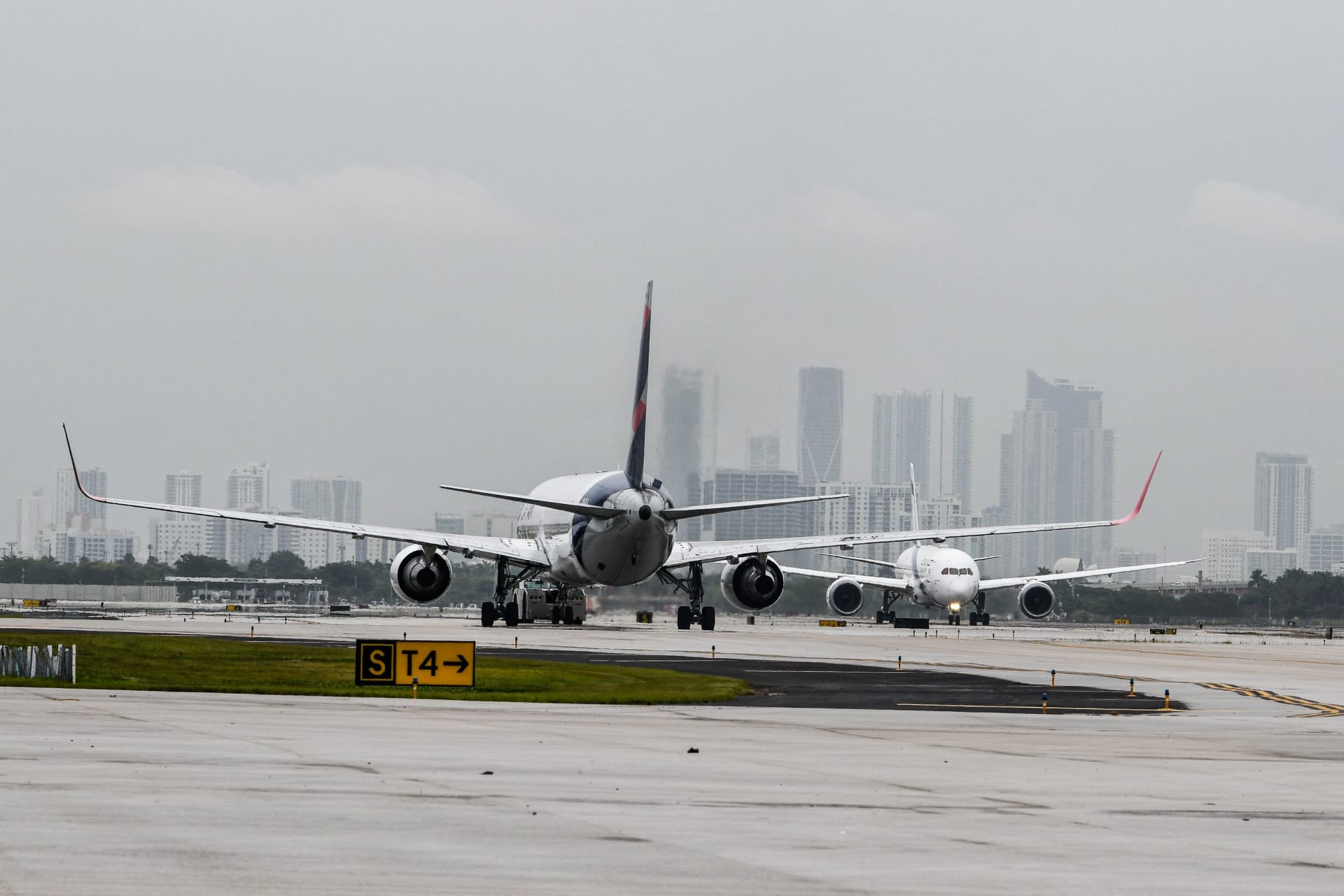
Reports indicate that airfare prices are set to rise significantly this summer, potentially impacting travel plans for millions worldwide. This surge comes as demand for travel increases following the COVID-19 pandemic, with many eager to reclaim travel experiences lost over the past few years.
According to sources within the aviation industry, ticket prices are expected to increase by as much as 30% compared to last year, driven by heightened demand and a shortage of available capacity. This increase may deter some travelers from their plans or prompt them to change their destinations.
Event Details
Concerns are growing that rising airfare prices could reduce the number of travelers, especially during the summer holiday period, which typically sees a significant uptick in travel activity. Aviation experts have noted that many airlines have already begun raising their ticket prices in response to increasing demand, reflecting the challenges currently facing the industry.
Additionally, rising fuel prices and other operational costs play a significant role in this increase, as airlines seek to offset their escalating expenses. This situation may negatively impact the travel experience, as some travelers may find themselves paying higher prices for the flights they desire.
Background & Context
The aviation industry has undergone radical changes in recent years, particularly following the COVID-19 pandemic, which led to a near-total halt in travel activity. As recovery begins, demand for travel has notably rebounded, resulting in price increases. Last year, ticket prices saw significant hikes, although they remained below pre-pandemic levels.
Historically, airfare prices have been influenced by numerous factors, including supply and demand, fuel prices, and global events. However, the current situation presents an unprecedented challenge, as airlines must adapt to rapidly changing conditions.
Impact & Consequences
Increased airfare prices could lead to a reduction in the number of travelers, which would impact the local economy in tourist destinations. Studies have shown that tourism constitutes a significant portion of the GDP for many countries, and thus any decline in tourist numbers could have negative repercussions on the economy.
Moreover, this price increase may alter travel patterns, as travelers might seek alternative options such as driving or taking trains, which could further affect airlines. Simultaneously, some may look for special deals or travel during less busy times to mitigate costs.
Regional Significance
In the Arab region, this rise in airfare prices could have significant implications, especially with the summer season approaching, which typically sees an increase in travel activity. Countries heavily reliant on tourism, such as Egypt, Turkey, and the UAE, may face challenges in attracting tourists if prices continue to rise.
Arab travelers planning to visit international destinations may find themselves needing to adjust their plans or seek more economical travel options. Under these circumstances, it may be essential for governments and airlines to consider new strategies to attract travelers and ensure the continuity of travel activity.
In conclusion, the rise in airfare prices poses a significant challenge for travelers worldwide and may particularly affect summer travel plans. It is crucial for airlines and stakeholders to closely monitor this situation to ensure suitable travel options are available for everyone.