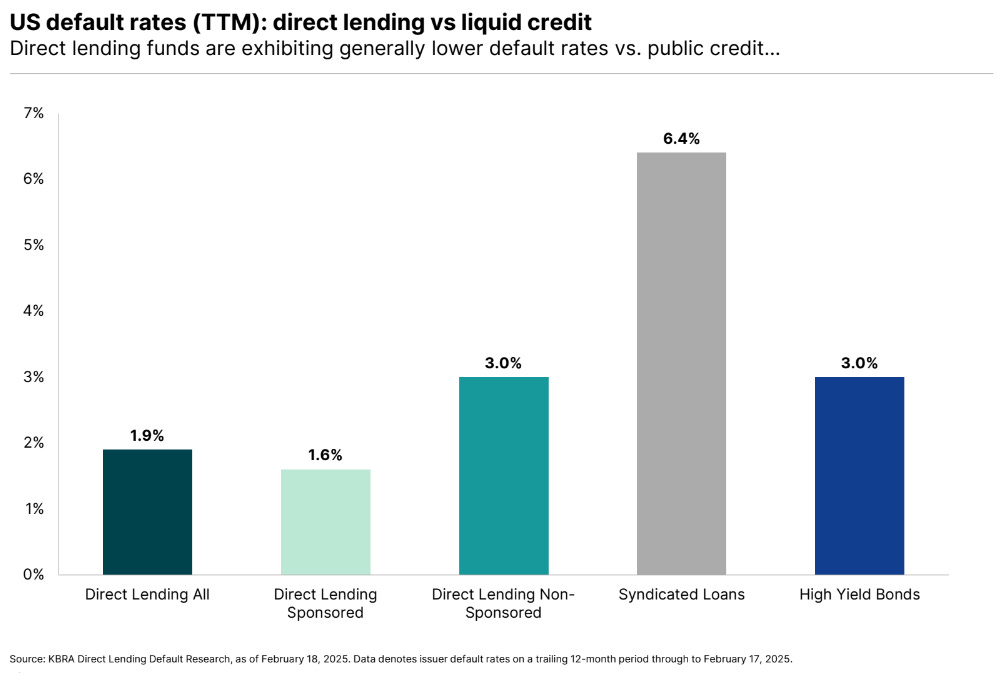
Economic reports suggest that default rates in the private credit market could rise significantly, alarming investors and analysts about the future of this sector. Given the current economic conditions, questions are increasing regarding companies' ability to meet their financial obligations.
There are growing fears that the rise in default rates may be a result of accumulating debts and the inability to repay them on time. This phenomenon could significantly impact financial markets, necessitating close monitoring by relevant authorities.
Details of the Situation
In recent years, the private credit market has experienced substantial growth, with many companies resorting to borrowing to meet their financing needs. However, rising interest rates and increased borrowing costs may lead to heightened financial pressures on these companies, raising the likelihood of defaults.
Data indicates that some major companies are already facing financial difficulties, raising concerns about the broader economic impact. Under these circumstances, investors must carefully assess risks before making any investment decisions.
Background & Context
Historically, financial markets have experienced significant fluctuations due to economic crises. In recent years, there have been several crises that led to increased default rates, such as the global financial crisis in 2008. These events remind us of the importance of risk management in the private credit market.
Current global economic conditions, including inflation and rising interest rates, play a crucial role in shaping the future of the credit market. Companies need to be more cautious in their financing strategies to ensure their sustainability.
Impact & Consequences
If default rates continue to rise, it could lead to negative effects on the financial system. This phenomenon could increase instability in financial markets, potentially eroding investor confidence.
Moreover, rising default rates may affect banks and financial institutions' ability to provide loans, which could lead to reduced investments in vital sectors. This situation could adversely impact overall economic growth.
Regional Significance
In the Arab region, increasing default rates in global markets may have direct repercussions. Many countries rely on foreign investments, and any decline in confidence could affect capital flows into the region.
Additionally, Arab companies dealing with global markets may face additional challenges due to this phenomenon, necessitating the development of flexible financial strategies to adapt to changing conditions.
In conclusion, it remains essential to closely monitor developments in the private credit market, as rising default rates may carry far-reaching implications for both the global and local economies.