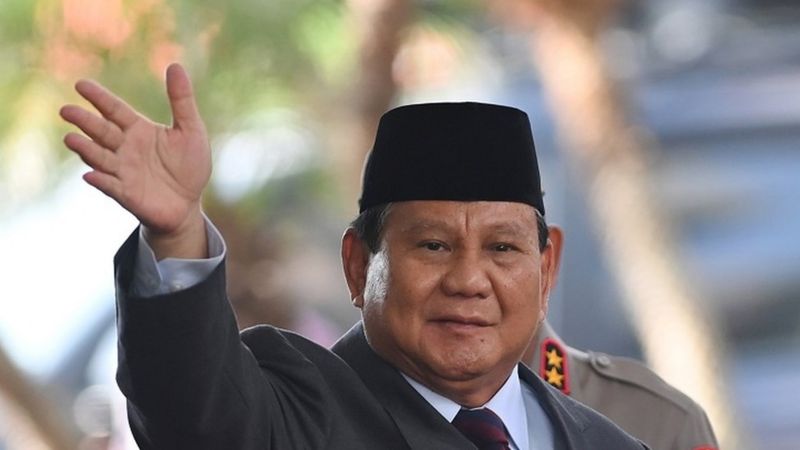
Indonesian President Prabowo Subianto announced that global geopolitical conflicts, such as those occurring in Ukraine and Gaza, are directly affecting food and energy prices in Indonesia. This statement was made during a video address posted on YouTube, where he confirmed that distant events have a significant impact on the local economy.
Prabowo explained that the turmoil in Ukraine, along with tensions in the Gulf region between Iran, America, and Israel, has contributed to undermining economic stability in Indonesia. He pointed out that these crises require Indonesia to strengthen the foundations of its independent economy to reduce reliance on external crises.
Details of the Situation
In his remarks, the Indonesian president compared the security situation in his country with nations suffering from wars such as Lebanon, Sudan, Somalia, Yemen, and Afghanistan. He asserted that Indonesia is considered one of the safest countries in the world, which necessitates maintaining internal peace and stability.
Prabowo also highlighted the importance of nationalism and unity as a key barrier against great powers seeking to dominate the resources of other nations. He argued that countries lacking the courage to manage their natural resources will remain trapped in a cycle of poverty and dependence on global trade.
Background & Context
Historically, Indonesia has faced numerous economic challenges due to global crises. Events in Ukraine, which began in 2014, have had widespread repercussions on global markets, affecting the prices of grains and oil. Simultaneously, the conflict in Gaza reflects ongoing tensions in the Middle East, which also impact energy prices.
As a resource-rich nation, Indonesia aims to achieve economic independence through programs such as Hilirisasi, which seeks to enhance the added value of natural resources. These efforts come at a time when there is an increasing dependence on imported goods.
Impact & Consequences
The Indonesian government anticipates that global crises will lead to an increase in the cost of living, which may affect the vulnerable classes in society. The rise in food and energy prices could exacerbate poverty and increase social tensions.
In this context, Prabowo called on all sectors, including scientists and engineers, to collaborate in enhancing economic sovereignty. He emphasized the importance of their role in addressing complex global challenges.
Regional Significance
These crises serve as an indicator of the impact of global conflicts on local economies, necessitating urgent action. The Indonesian government is aware that the repercussions of these geopolitical tensions extend beyond its borders, affecting regional stability and economic conditions.
In conclusion, the Indonesian leadership recognizes the critical need for unity and resilience in the face of external pressures, advocating for a robust national strategy to mitigate the adverse effects of global conflicts on its economy.