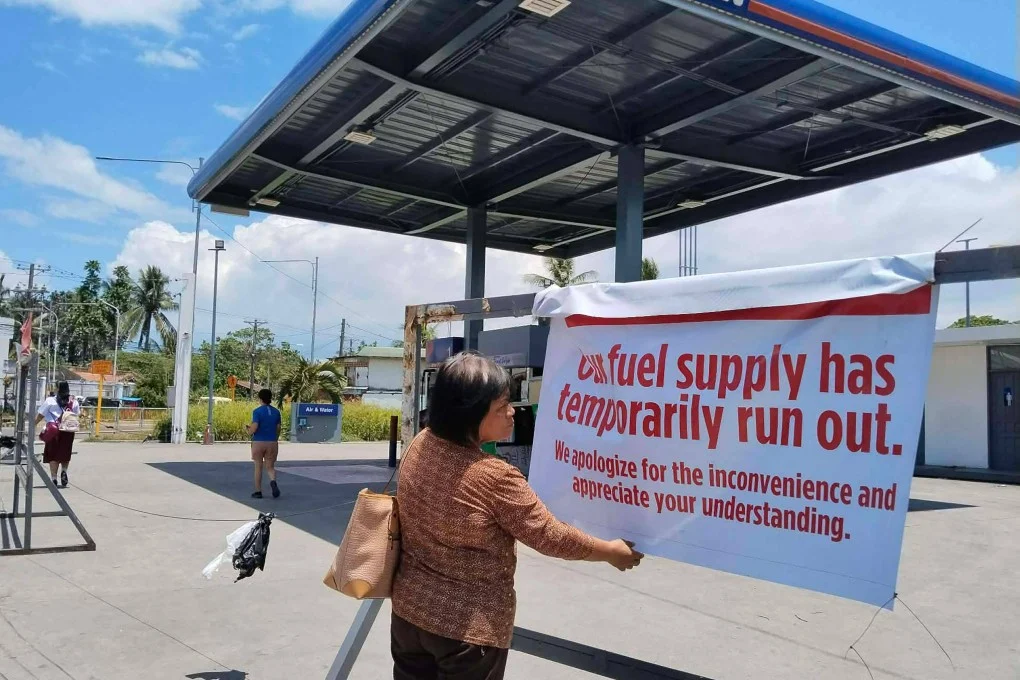
Economic analysts have warned that the ongoing rise in fuel prices, which is partly attributed to the ongoing conflicts in the Middle East, could exacerbate the debt crisis among Filipinos. Studies have shown that the burden of credit card debt in the Philippines has reached a 'critical' level, raising concerns about the financial stability of Filipino households.
Although credit card ownership in the Philippines remains relatively low, data indicates that cardholders have begun to use them more intensively, as living costs outpace income growth. Credit card accounts in the Philippines have seen a consistent growth rate exceeding 10% annually, reflecting the increasing financial pressures on families.
Details of the Situation
Fuel prices in the Philippines have risen significantly, increasing by 20% in recent months, which has negatively impacted citizens' purchasing power. Analysts have noted that this price increase may contribute to a greater reliance on credit cards as a means to cover daily expenses.
While credit card ownership remains low, the increasing usage suggests that Filipinos are struggling to meet their basic needs. Reports have shown that many families have started to rely on credit cards to cover food and transportation costs, increasing the risk of falling into a debt trap.
Background & Context
Historically, the Philippines has experienced multiple economic crises, but the current rise in fuel prices comes at a sensitive time as the government seeks to boost economic growth following the impact of the COVID-19 pandemic. Studies have shown that Filipinos are experiencing increasing financial pressures, with poverty rates in the country on the rise.
The Philippines is one of the countries that heavily relies on fuel imports, making it vulnerable to fluctuations in global prices. Geopolitical crises in the Middle East have contributed to rising oil prices, which have directly affected fuel costs in the Philippines.
Impact & Consequences
If fuel prices continue to rise, this could worsen the debt crisis among Filipinos, as families may increasingly have to use credit cards to cover their expenses. Experts have warned that this trend could lead to higher default rates, threatening the financial stability of households.
Moreover, this crisis could impact the overall Philippine economy, as rising debt levels could reduce consumer spending, negatively affecting economic growth. It is crucial for the Philippine government to take urgent steps to address this issue before it escalates further.
Regional Significance
The economic crises in the Philippines are a direct result of changes in global oil prices, which are in turn affected by conflicts in the Middle East. Therefore, any increase in fuel prices could impact oil-producing Arab countries, potentially leading to fluctuations in the global market.
Additionally, the situation in the Philippines highlights the importance of economic diversification and reliance on multiple income sources, a lesson that Arab countries heavily dependent on oil as a primary revenue source could benefit from.