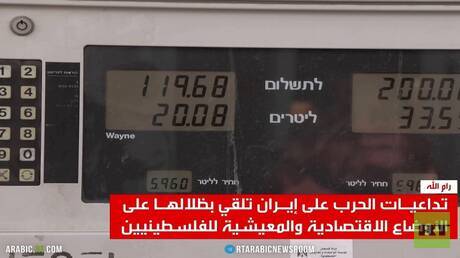
The suffering of Palestinians is escalating amid a sharp surge in fuel prices, with economic and living burdens noticeably increasing. The global energy crisis has impacted fuel prices, exacerbating the living conditions in the Palestinian territories.
Reports indicate that the ongoing rise in fuel prices has affected transportation costs and basic goods, increasing pressure on Palestinian families already facing difficult economic circumstances.
Details of the Event
In recent weeks, fuel prices have seen an unprecedented increase, with some areas experiencing a rise of more than 30%. This increase has not been limited to fuel alone; it has extended to transportation costs and essential goods, directly impacting citizens' lives.
Many economic institutions expect this upward trend to continue, which could lead to worsening economic and social crises in the region. Some humanitarian organizations have expressed concern about the impact of this crisis on the most vulnerable groups, such as children and the elderly.
Background & Context
The roots of the current energy crisis stem from several factors, including geopolitical conflicts and the effects of the COVID-19 pandemic on supply chains. Additionally, tensions in global energy markets, including sanctions imposed on certain oil-producing countries, have contributed to rising prices.
In the Palestinian territories, residents suffer from a shortage of essential resources due to the blockade and restrictions on movement and trade. These conditions make it difficult for Palestinians to adapt to rapid price changes, further exacerbating economic situations.
Impact & Consequences
The repercussions of the energy crisis on Palestinians are manifold, affecting families' purchasing power and increasing poverty rates. According to United Nations reports, more than 50% of Palestinians live below the poverty line, making them more susceptible to the impacts of rising prices.
Moreover, the rising cost of living may lead to increased protests and demonstrations in the streets, as citizens express their dissatisfaction with deteriorating economic conditions. Some Palestinian cities have already witnessed protests demanding improved living conditions.
Regional Significance
The current energy crisis is not merely a local issue; it has ramifications for the entire Arab region. The rise in fuel prices may impact the economies of neighboring countries, increasing economic pressures on governments.
This crisis could also exacerbate humanitarian crises in conflict areas, where many Arab countries face similar economic and social challenges. Therefore, regional cooperation becomes an urgent necessity to address these challenges.
In conclusion, the global energy crisis remains a significant challenge for Palestinians, requiring an urgent response from the international community to help them navigate these difficult circumstances. Improving economic and living conditions necessitates joint efforts from all concerned parties.