Low-cost airlines in Asia are experiencing a severe crisis due to rising fuel prices, threatening their ability to maintain low fares. Amid escalating tensions in the Middle East, these airlines have been compelled to reassess their operational strategies, leading to price hikes and cost-cutting measures.
During the Aviation Festival in Asia held in Singapore, several airline executives indicated that they are striving to reduce costs, adjust prices, and change routes to avoid burdening passengers with additional expenses. Vishoth Nam, CEO of AirAsia in Cambodia, stated, "We must adjust prices while simultaneously stimulating demand. Otherwise, we will not have passengers."
Event Details
Conflicts in the Middle East have significantly impacted the operations of Indian airline SpiceJet, where Kamal Hingorani, the company's customer service head, confirmed that heavy traffic between India and the Middle East has resulted in substantial losses. "Dubai alone has 77 flights weekly from India, which has a major impact on us in terms of routes and revenue loss," Hingorani added.
Although rising fuel prices have not yet fully affected the company, prices are set monthly and may rise further in April. On March 26, India's credit rating agency issued a report downgrading its outlook for the Indian aviation sector from stable to negative, citing the weakening of the Indian rupee against the US dollar and rising fuel prices.
Background & Context
Historically, low-cost airlines have relied on offering low fares to attract large numbers of passengers, resulting in slim profit margins. As fuel prices rise, these airlines become more susceptible to market fluctuations. In recent years, fuel prices have seen a notable increase, affecting all airlines but particularly those relying on a low-cost business model.
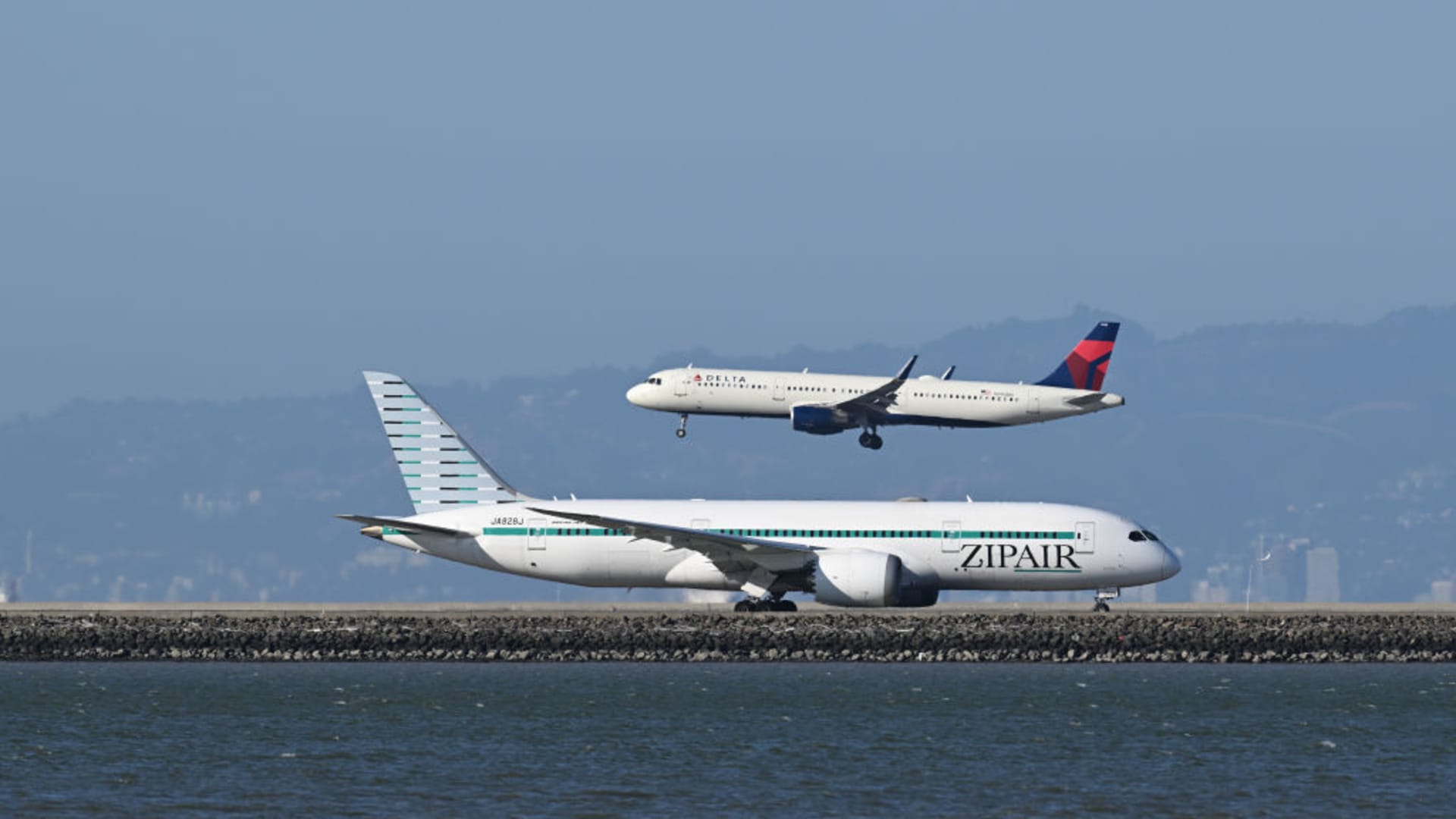
On the other hand, airlines like Zipair in Tokyo have managed to perform well compared to other carriers. This is partly because their routes avoid the Middle East and have not been affected by conflicts. The airline also experienced strong demand during Japan's cherry blossom season, especially in April.
Impact & Consequences
Analyses indicate that rising fuel prices could lead to drastic changes in the low-cost aviation industry. Companies may be forced to increase prices further, which could negatively impact demand. Hingorani stated that the company might have to absorb some costs if fuel prices rise to unmanageable levels, as passing on increased fees to passengers could lead to a decline in demand.
At the same time, some companies are turning to technology to reduce costs. For example, Zipair announced that it would equip its flights with Starlink satellite internet service at no additional cost to passengers, allowing it to lower maintenance and fuel costs.
Regional Significance
The Middle East is a major hub for international air travel, and any disruptions in this sector directly affect Arab airlines. As tensions in the region continue, Arab airlines may also face similar challenges, potentially leading to price increases and reduced services.
In conclusion, low-cost airlines in Asia appear to face an uncertain future amid rising fuel prices and geopolitical tensions. It will be essential for these companies to adapt to changing conditions to ensure their sustainability in the market.