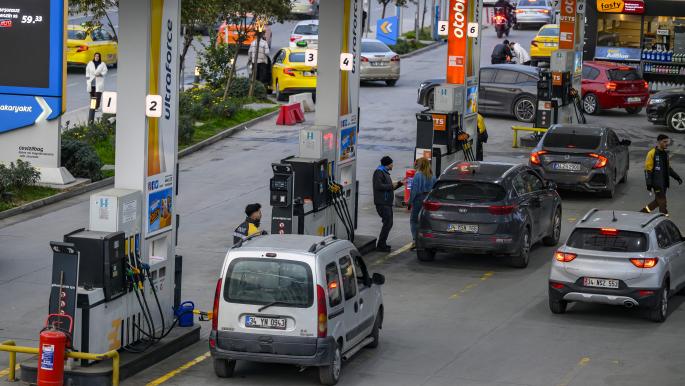
Concerns are growing in Turkey regarding the impact of the continuous rise in fuel prices on inflation rates, as the global market experiences a noticeable increase in energy prices, hindering the Turkish government's plans to achieve its economic goals.
Oil and gas prices are considered fundamental factors affecting the Turkish economy, which heavily relies on energy imports. As prices rise, pressures on the public budget increase, negatively impacting the government's ability to control inflation.
Event Details
Reports indicate that oil prices have risen by more than 30% in recent months, directly affecting transportation and production costs. This increase comes at a time when the Turkish government is striving to reduce inflation rates that have reached record levels in recent years.
The government is attempting to implement new policies to mitigate the impact of this increase, but challenges are mounting as global market instability continues. The government has already adjusted its economic forecasts, raising concerns among investors and citizens alike.
Background & Context
Historically, the Turkish economy has experienced significant fluctuations due to its reliance on imported energy. In recent years, the Turkish government has sought to diversify energy sources and reduce dependence on imports, but these efforts have yet to yield the desired results.
This crisis coincides with other challenges, such as the depreciation of the Turkish lira and rising unemployment rates, complicating the economic landscape. The Turkish government faces increasing pressure from citizens suffering from high living costs.
Impact & Consequences
If energy prices continue to rise, Turkey is expected to see a further increase in inflation rates, potentially exacerbating economic conditions. This situation may compel the government to adopt austerity measures, which could provoke negative reactions from the Turkish public.
Moreover, the persistence of these crises could affect foreign investments in Turkey, as investors may hesitate to enter a market plagued by instability. At the same time, these conditions may impact tourism, a key source of revenue for the country.
Regional Significance
Turkey is considered one of the main countries in the region, and any changes in its economy could affect neighboring countries. The rise in fuel prices in Turkey may lead to increased prices in neighboring Arab countries, heightening inflationary pressures in those nations.
Furthermore, economic crises in Turkey could lead to new waves of migration towards Arab countries, adding new challenges for governments in the region.
In conclusion, the economic situation in Turkey remains under scrutiny, as citizens look for effective steps from the government to address these challenges. The government's success in tackling these issues will have significant implications for economic stability in the region.