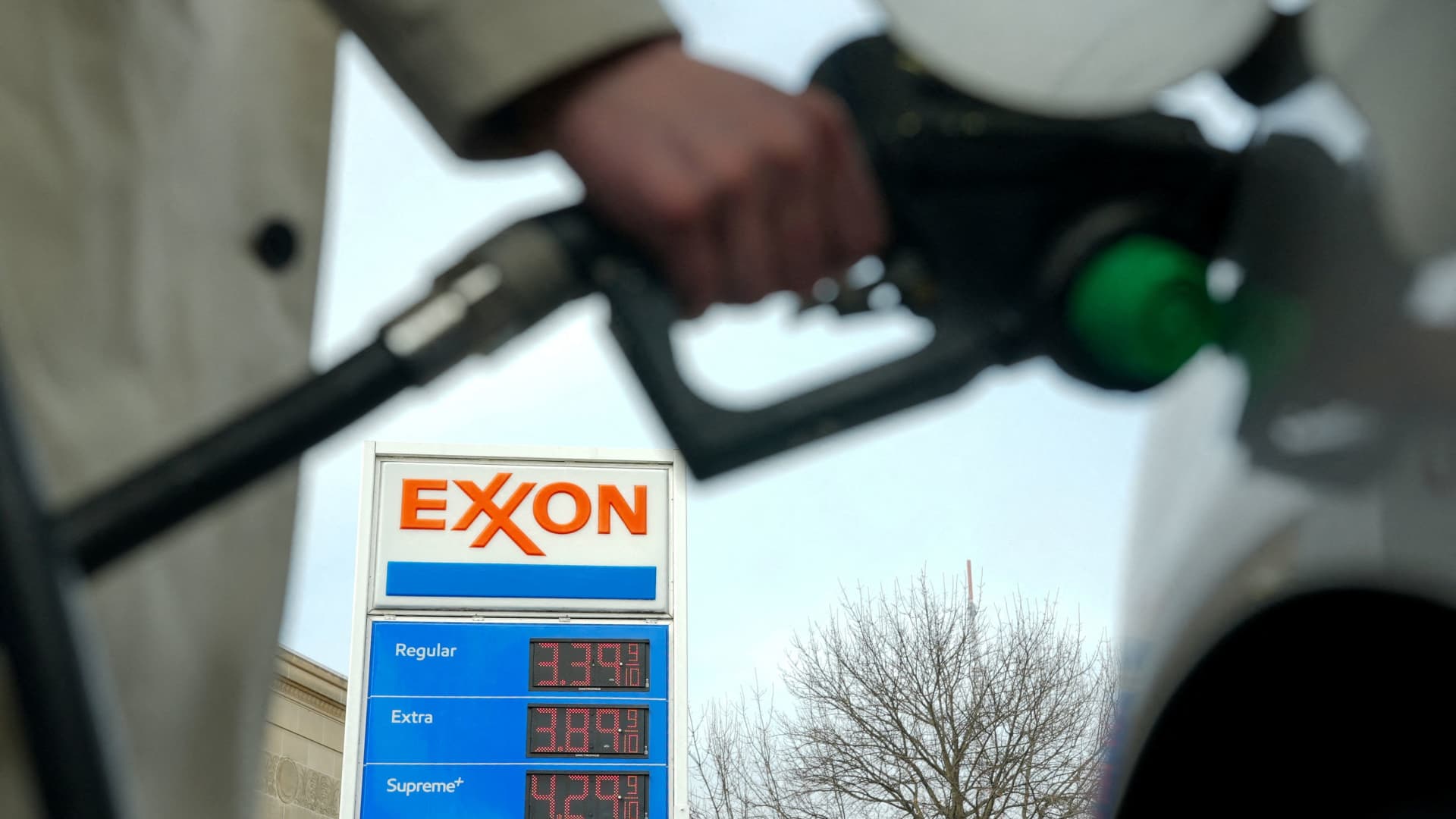
As the conflict escalates in Iran, the United States has witnessed a notable rise in gas prices, with the national average reaching approximately $3.98 per gallon, an increase of 33% compared to last month. This surge could negatively affect the tax refunds that citizens were anticipating, according to economic experts.
Reports indicate that the war in Iran, which disrupts traffic through the Strait of Hormuz—a vital shipping route for oil—could lead to increased fuel costs, threatening the financial gains taxpayers might receive this season. Meanwhile, President Trump received a 15-point plan to end the conflict, which initially caused oil prices to drop, but this decrease was short-lived after Iran rejected the U.S. ceasefire proposal.
Details of the Situation
Under these circumstances, experts expect gas prices to remain high, potentially limiting the impact of the tax refunds announced by Trump, which he described as the "largest tax refund season in history." According to data from the IRS, the average tax refund for individuals as of March 13 was approximately $3,623, an increase of $350 from the previous year.
As the tax filing deadline approaches on April 15, forecasts suggest that significant changes in the size of refunds are unlikely. William McBride, chief economist at the Tax Foundation, stated that "it is unlikely we will see a significant change" before the deadline.
Background & Context
Historically, oil prices have been significantly affected by geopolitical events, particularly in the Middle East. The Strait of Hormuz is one of the most important maritime routes for oil transport, with approximately 20% of global oil supplies passing through it. Any disruption in this corridor can lead to a substantial increase in prices, which has indeed occurred in recent days.
Amid these conditions, concern is growing among Americans regarding their ability to afford living costs, especially with the midterm elections approaching in November, as both the Republican and Democratic parties seek to address citizens' concerns about purchasing power.
Impact & Consequences
Analyses suggest that the continued rise in gas prices may diminish the impact of tax refunds, as citizens may have to spend a significant portion of these refunds on fuel costs. According to estimates from Goldman Sachs, the average American household could pay about $740 more for fuel by the end of the year if prices continue on this trajectory.
A report from Oxford Economics indicated that if gas prices keep rising, the increase in spending on fuel could "offset" any rise in tax refunds, thereby increasing pressures on low-income households.
Regional Significance
Arab countries are directly affected by rising oil prices, as many of these nations are major oil exporters. Any increase in prices could benefit the economies of these countries, but at the same time, it could exacerbate economic conditions in oil-importing nations, increasing economic and social pressures.
Ultimately, the question remains about how these dynamics will affect economic and political relations between the United States and Arab countries, especially amid ongoing tensions in the region.