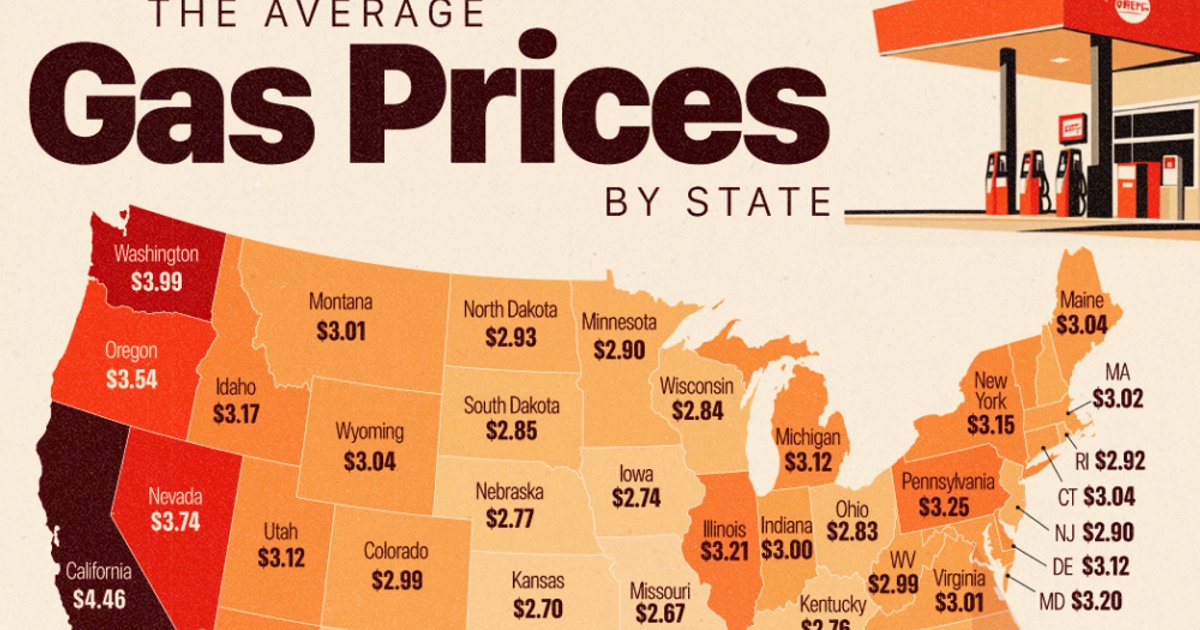
The United States is currently experiencing a significant rise in gas prices, with prices surpassing record levels, raising questions about the feasibility of suspending government-imposed fuel taxes. In light of these circumstances, some officials in U.S. states have begun to consider measures to alleviate the financial burdens on citizens.
Gas prices in some states range between $4.00 and $5.00 per gallon, which poses a heavy burden on American families, especially amid rising living costs. Some experts have indicated that suspending taxes could be a temporary solution to ease the economic pressures on citizens.
Details of the Situation
As gas prices continue to rise, states like California and New York have begun discussions on the possibility of suspending gas taxes. Studies have shown that these taxes constitute a significant portion of fuel costs, meaning that their elimination could lead to a noticeable reduction in prices.
However, this proposal faces opposition from some officials who argue that suspending taxes could negatively impact state budgets, which heavily rely on these revenues to fund public services. Therefore, the discussion surrounding this issue is complex and requires careful consideration.
Background & Context
Historically, the United States has faced numerous economic crises that have led to rising gas prices, such as the oil crises of the 1970s. In recent years, pressures on gas prices have increased due to multiple factors, including geopolitical disruptions and climate changes.
In 2020, the COVID-19 pandemic caused a sharp decline in gas prices, but with the economic recovery and return of demand, prices have risen significantly. This price volatility raises concerns among citizens who are facing increasing economic challenges.
Impact & Consequences
If gas taxes are suspended, it could lead to a temporary reduction in prices, helping families alleviate financial burdens. However, conversely, this could result in a shortfall in government revenues, affecting public services such as education and healthcare.
This decision may also open the door for broader discussions on how to address energy prices in the future, especially in light of the global shift towards renewable energy. It may be necessary to seek long-term solutions rather than relying on temporary measures.
Regional Significance
Gas prices are also a vital issue in the Arab region, where many countries rely on gas exports as a primary source of revenue. The rise in prices in the United States could impact global markets, reflecting on gas prices in Arab countries.
Moreover, the trend towards suspending taxes in the United States may encourage some Arab nations to reconsider their tax policies related to gas, especially amid the economic challenges they face.
In conclusion, the issue of gas prices and their taxation remains a complex matter that requires a delicate balance between supporting citizens and maintaining government revenues. It will be important to monitor developments in this area and how they affect both the American and global economies.