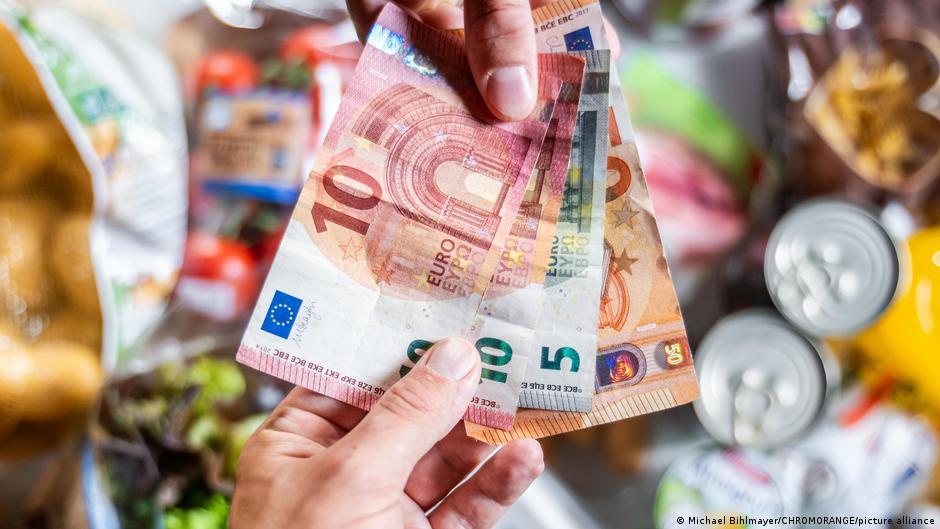
A new survey indicates that nearly one-third of Germans anticipate a noticeable rise in the prices of food, energy, and transportation, driven by escalating tensions arising from the war in Iran. German Chancellor Friedrich Merz confirmed that Germany could contribute to mine-clearing operations in the Strait of Hormuz after the conflict ends, noting that this step would be within the framework of a genuine collective mandate from the United Nations or NATO.
Speaking at a press event in Frankfurt, Merz stated, "We can do this if asked, but this proposal remains theoretical at the moment, as Iran has not yet laid mines in the waterway through which five percent of the world's oil supplies pass."
Details of the Event
Tensions between the United States and Germany are intensifying, with Merz accusing U.S. President Donald Trump of escalating the conflict in Iran instead of seeking peaceful solutions. He declared that Trump's actions represent a "massive escalation," threatening stability not only in the Middle East but globally.
At the same time, Trump pointed out that Germany is not providing sufficient support to secure oil and gas shipments through the Strait of Hormuz, which has sparked mixed reactions within German political circles.
Background & Context
Historically, U.S.-German relations have experienced numerous fluctuations, particularly concerning foreign policy issues. The war in Iran comes at a sensitive time, as Germany grapples with soaring inflation rates that have reached record levels following the COVID-19 pandemic and the Russian invasion of Ukraine in 2022.
A recent survey conducted by YouGov for Postbank revealed that 90% of Germans expect an increase in living costs in the coming months, adding pressure on German households. Approximately one-quarter of participants earning less than 2,500 euros per month reported struggling to cover their basic expenses.
Impact & Consequences
Many economists anticipate further increases in inflation rates in the coming months due to rising oil and gas prices resulting from Iran's closure of the Strait of Hormuz, a vital energy shipping corridor. These price hikes could significantly affect the purchasing power of Germans, potentially exacerbating economic conditions.
Although Germany's inflation rate dropped to 1.9% in February, forecasts indicate that the situation could change rapidly if the war in Iran continues for an extended period.
Regional Significance
The Arab region is directly affected by the escalating tensions in Iran, as Iran is a key player in many regional conflicts. Any escalation in the conflict could lead to negative impacts on oil prices, reflecting on the economies of Arab countries that heavily rely on oil exports.
In conclusion, the situations in Iran and the Strait of Hormuz remain under scrutiny, as any new developments could impact not only the German economy but the global economy as a whole.