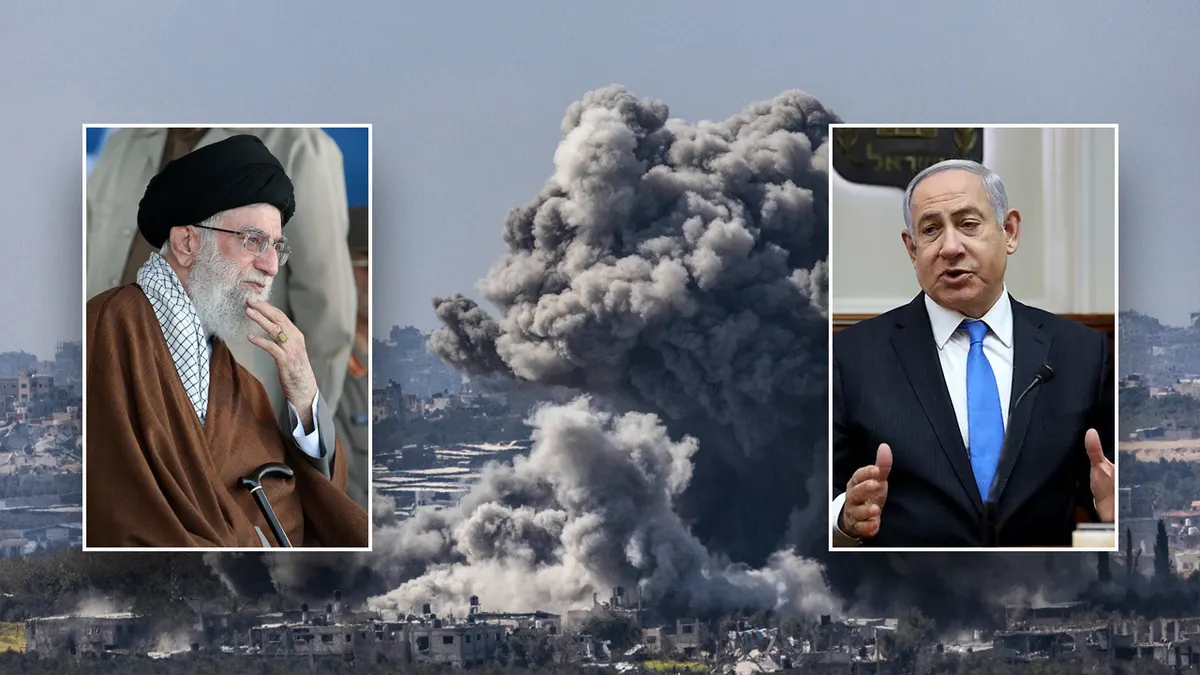
The escalation of tensions in Iran has led to a significant increase in inflation rates in Germany, heavily impacting European markets. As geopolitical crises multiply, analysts expect these developments to exacerbate economic conditions across the continent.
According to interviews conducted by the program "Pulse With Francine Lacqua," broadcast from London, several experts confirmed that the situation in Iran has direct effects on energy and commodity markets, negatively reflecting on the German economy.
Details of the Event
In an interview with Wei Li, Chief Global Investment Strategist at BlackRock, the impact of disruptions in Iran on oil and gas prices was highlighted, leading to increased production and transportation costs in Germany. Sanam Vakil, Director of the Middle East and North Africa Program at Chatham House, added that this price increase particularly affects low-income households, increasing economic pressures on society.
In this context, Joaquim Miranda Sarmento, the Portuguese Minister of Finance, pointed out that European countries need to take urgent measures to face these challenges, especially with the winter season approaching, which requires higher energy consumption.
Background & Context
Historically, relations between Iran and Western countries have seen increasing tensions, especially after the United States withdrew from the nuclear agreement in 2018. These tensions have led to economic sanctions on Iran, affecting its oil exports and causing instability in global energy markets.
In recent years, Germany has increasingly relied on alternative energy sources, but it still depends on imported gas and oil, making it vulnerable to price fluctuations resulting from geopolitical crises.
Impact & Consequences
Forecasts indicate that the ongoing situation in Iran could exacerbate inflation in Germany, which may reflect on the monetary policies of the European Central Bank. The bank may be forced to take stringent measures to contain inflation, potentially affecting interest rates and economic growth.
Moreover, these conditions may increase pressures on European governments to provide greater support for affected households, which could further increase public budget deficits.
Regional Significance
The Arab region is directly affected by developments in Iran, as Iran is a key player in regional politics. The escalation of tensions could lead to increased instability in neighboring countries, impacting security and the economy in the region.
Furthermore, economic crises in Europe may lead to reduced investments in the Arab region, affecting economic growth in Arab countries.
In conclusion, the current situation requires international efforts to address the economic challenges arising from geopolitical crises, as inflation in Germany is not just a local issue but has wide-ranging implications for the global economy.