Jim McCormick, Chief Economic Strategist at Citi, stated that the ongoing conflict in Iran is raising new concerns about the likelihood of an inflationary recession, which poses a major challenge to global financial markets. This was highlighted during his speech at the Citi conference in Hong Kong, where he noted that the current situation is creating a toxic mix of economic factors that could negatively impact economic growth.
Concerns are growing that the Iranian conflict could exacerbate global economic conditions, as markets face increasing pressure from rising energy and commodity prices. An inflationary recession is characterized by rising prices alongside declining economic growth, making it difficult for governments and central banks to take effective measures to address this crisis.
Details of the Event
The conflict in Iran, which has seen a notable escalation recently, is causing alarm among investors and economic analysts. Many expect that the continuation of this conflict will lead to significant market volatility, increasing the likelihood of an inflationary recession. McCormick pointed out that this situation requires careful monitoring by investors, as any further escalation could worsen economic conditions.
Markets are directly affected by rising oil prices, as Iran is one of the largest oil producers in the world. Any disruptions in Iranian oil production could lead to a significant spike in prices, increasing inflationary pressures in many countries, especially those that rely on oil imports.
Background & Context
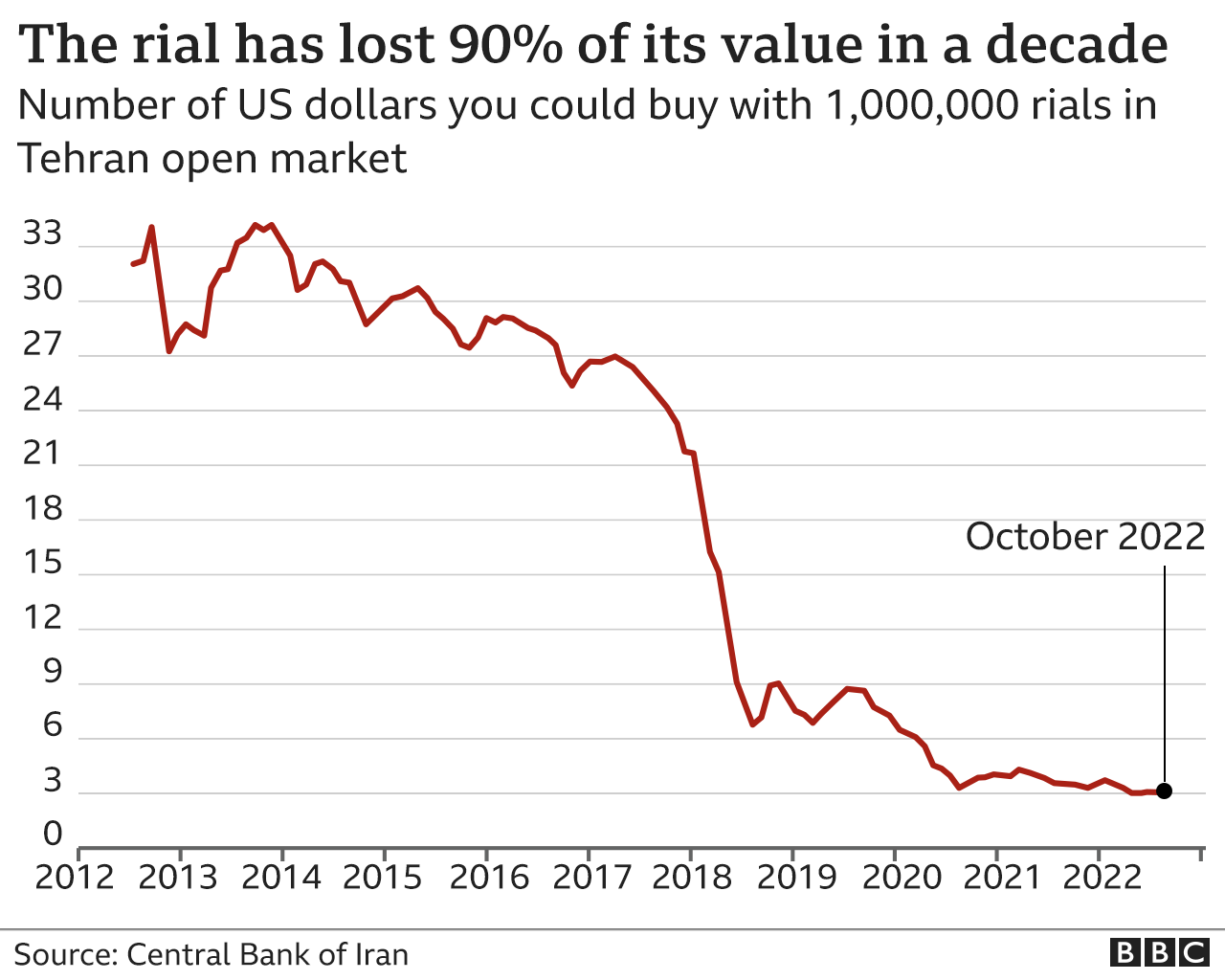
Historically, Iran has experienced numerous conflicts that have impacted both the regional and international economy. Since the Islamic Revolution in 1979, Iran has been in the global spotlight due to its controversial foreign policies, leading to economic sanctions imposed by many Western nations. These sanctions have significantly affected the Iranian economy, resulting in reduced growth and increased inflation rates.
In recent years, Iran has seen heightened tensions with the United States and other countries, further increasing instability in the region. These conditions make it difficult for Iran to achieve economic stability, which in turn affects global markets.
Impact & Consequences
The economic repercussions of the Iranian conflict could be widespread. If the conflict continues, we may witness further increases in oil prices, which would subsequently raise the cost of living in many countries. Additionally, an inflationary recession could hinder governments' ability to implement necessary economic policies to stimulate growth.
On the other hand, these conditions could increase pressure on central banks, which will face challenges in making decisions regarding interest rates. Amid rising inflation, banks may be forced to raise interest rates, potentially leading to an economic slowdown.
Regional Significance
Arab countries, especially those reliant on oil, are among the most affected by the Iranian conflict. Rising oil prices may have a positive impact on some oil-producing nations, but at the same time, it could lead to increased inflationary pressures in oil-importing countries.
Moreover, the continuation of the conflict in Iran could exacerbate security conditions in the region, increasing instability and affecting foreign investments. Therefore, Arab nations must take proactive steps to address these challenges.
In conclusion, the Iranian conflict remains a complex issue affecting the global economy. It is crucial for markets and analysts to closely monitor developments in Iran, as any escalation could have serious repercussions on the global economy.