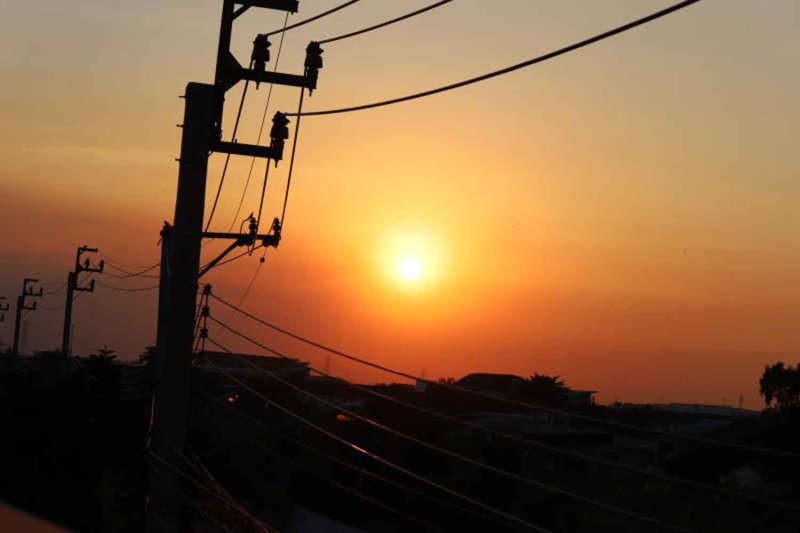
Thailand is currently facing a notable rise in temperatures, which coincides with a sharp increase in living costs, especially fuel prices. This situation places families under increasing financial pressure, prompting the need for effective financial measures to alleviate the burdens.
According to reports from the KKP Better app, launched by Kiatnakin Phatra Bank, there has been a significant increase in demand for personal loans since the beginning of the year, reflecting the growing liquidity pressures on consumers.
Event Details
KKP Bank describes this period as a "financial summer," where four main financial burdens coincide: taxes, high electricity bills, celebration expenses, and preparations for children's education fees. Under these circumstances, the bank encourages a strategic approach to debt management to reduce long-term interest costs.
Historical data indicates that household liquidity typically comes under pressure between April and May, as families face a storm of expenses simultaneously. Among these burdens, personal income tax stands out, with total collections reaching 432 billion baht in 2025, marking a 29% increase from previous years.
Background & Context
Thailand is one of the countries facing increasing economic challenges, with families significantly affected by rising living costs. During the summer, electricity costs rise sharply, as air conditioning units consume about 3% of electricity for each additional degree Celsius, leading to electricity bills increasing by 10% to 30% compared to other months.
The expenses associated with celebrating the Songkran festival add an additional burden, with celebration-related expenditures rising to 106 billion baht in 2025, compared to 88 billion baht the previous year, reflecting an increase in travel and celebration costs despite economic challenges.
Impact & Consequences
Figures show that education costs represent the largest burden, especially for families with children in private or international schools, where annual fees can range from tens of thousands to hundreds of thousands of baht. Data indicates that the use of QR payments for education reached 88 million baht between 2020 and 2025, with 46 million baht recorded in 2025 alone.
Despite these pressures, some families have managed to adapt to the situation through careful financial planning. For instance, Chutima Apichaisukasakul, an employee at a private company, states that her good financial management has helped her mitigate the impact of rising fuel prices. However, she is considering switching from a traditional car to an electric vehicle to reduce expenses.
Regional Significance
The situation in Thailand serves as an indicator of the economic challenges that other countries in the region may face, as financial pressures on families increase amid rising living costs. These experiences could provide valuable lessons for Arab countries facing similar challenges in managing their local economies.
In conclusion, the current financial situation in Thailand requires a swift and effective response from families, as everyone must consider new financial strategies to adapt to changing conditions.