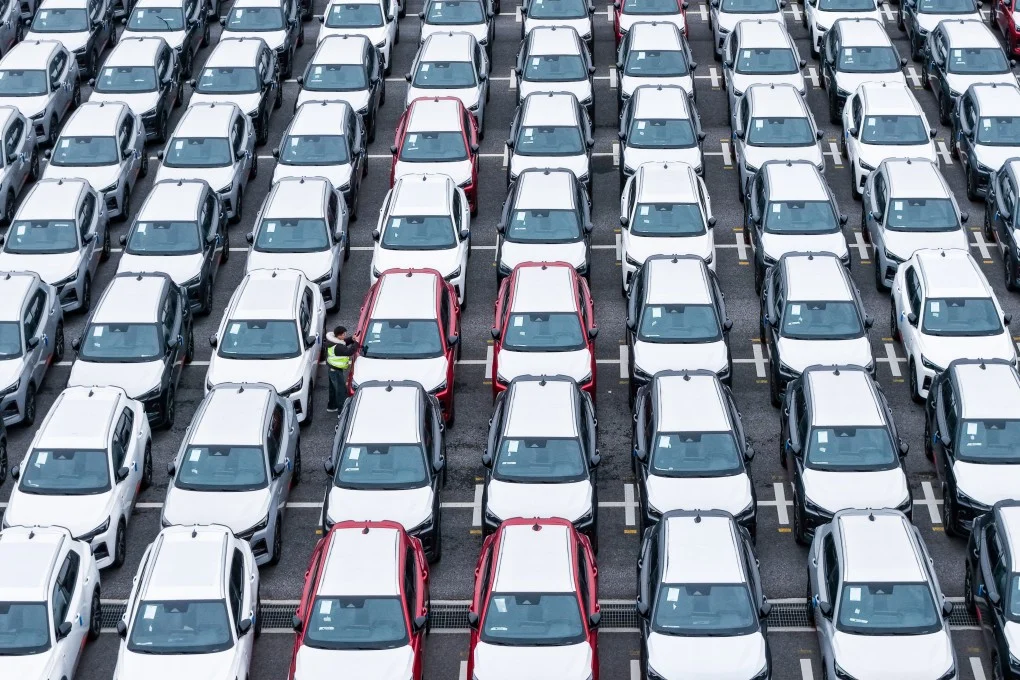
The ongoing conflict in the Middle East, particularly the U.S.-Israeli war against Iran, is drawing attention to its impact on energy markets and electric vehicles. With oil prices rising significantly, experts predict a global acceleration in the adoption of electric vehicles, enhancing China's position as a leader in this sector.
Electric vehicles have helped China surpass Japan to become the largest car seller in the world. As oil prices escalate, the demand for electric vehicles may increase as a more sustainable and cost-effective long-term alternative.
Event Details
Reports indicate that oil prices have surged significantly due to political tensions in the region, prompting many countries to seek alternatives to traditional energy sources. In this context, electric vehicles are seen as an attractive option, providing a cost-effective solution while contributing to the reduction of carbon emissions.
China is capitalizing on these conditions, as it boasts a number of leading electric vehicle manufacturers such as BYD, NIO, and Xpeng. These companies are investing heavily in developing new technologies and improving battery efficiency, enabling them to meet the growing demand.
Background & Context
In recent years, there has been a significant shift in the automotive industry, with many countries moving towards the adoption of electric vehicles as part of their strategies to reduce carbon emissions. China, being the largest automotive market in the world, has been at the forefront of this transition.
Historically, Japan was a leader in the automotive industry, but with the strong entry of Chinese companies into the market, China has made remarkable progress. This advancement would not have been possible without the substantial government support received by electric vehicle manufacturers.
Impact & Consequences
The rise in oil prices may lead to radical changes in consumer behavior, with more people likely to turn to electric vehicles for their transportation needs. This shift could foster innovation within the sector, as companies strive to offer more efficient and appealing products.
Moreover, this transition may result in changes to global energy policies, as countries seek to reduce their dependence on oil and explore alternative energy sources. This could open the door to increased investments in renewable energy.
Regional Significance
For Arab countries, which heavily rely on oil exports, this shift could pose a significant challenge. If oil prices continue to rise, these nations may need to reassess their economic strategies.
At the same time, Arab countries could benefit from this transition by investing in renewable energy projects and developing the electric vehicle sector, which would contribute to diversifying their economies and reducing reliance on oil.
The ongoing events in the Middle East, particularly the conflict in Iran, may lead to radical changes in the electric vehicle market. As oil prices continue to rise, China's opportunities to strengthen its leadership in this sector may increase, opening new avenues for challenges and opportunities for Arab nations.