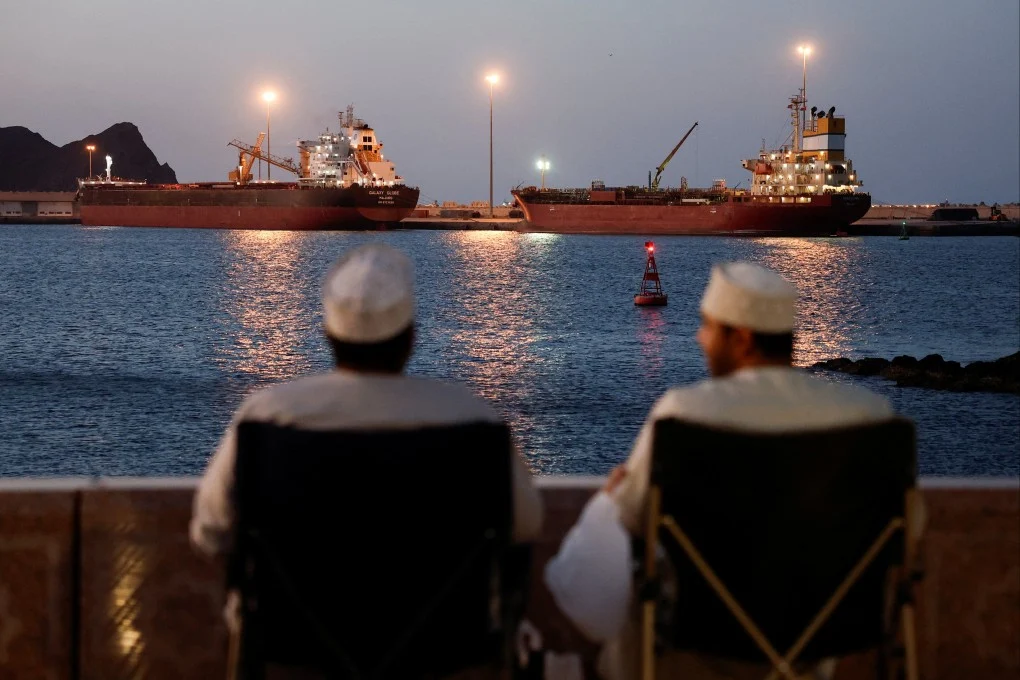
Oil prices have surged significantly due to the ongoing conflict between the United States and Israel on one side and Iran on the other. Recent attacks have disrupted shipping through the Strait of Hormuz, a vital passageway for nearly one-fifth of the world's daily oil consumption.
These developments come at a time when memories of the 1970s oil crisis linger in many minds, raising questions about whether we are witnessing the onset of a new oil crisis. Oil prices have experienced sharp increases, prompting many experts and analysts to compare the current situation with those historical crises.
Details of the Incident
Recent attacks targeting oil tankers in the Strait of Hormuz have led to a sharp rise in oil prices, with the price per barrel exceeding $90. The Strait of Hormuz is one of the most important maritime corridors in the world, through which approximately 20% of total global oil consumption passes. Reports have indicated that these attacks could exacerbate economic conditions in many countries, particularly those that heavily rely on oil imports.
These events coincide with escalating geopolitical tensions in the region, as Iran seeks to bolster its influence in the Gulf, intensifying the conflict with the United States and its allies. Reports have confirmed that these attacks are not merely a reaction to U.S. policies but also reflect a long-term Iranian strategy to disrupt shipping in the region.
Background & Context
Historically, the world has witnessed several oil crises, the most notable of which occurred in the 1970s when the oil embargo imposed by Arab countries led to unprecedented price increases, negatively impacting the global economy and causing a recession. During that period, many countries suffered from inflation and economic stagnation, a phenomenon known as stagflation.
These crises had far-reaching implications for the economic policies of nations, leading to radical changes in energy strategies and reliance on alternative sources. As awareness of the importance of renewable energy grows, current crises may reignite discussions on how to secure energy sources in the future.
Impact & Consequences
The repercussions of rising oil prices extend beyond financial markets, affecting living costs and the global economy as a whole. With prices rising, there may be increased pressure on governments to provide financial support to citizens, potentially exacerbating public budget deficits.
Additionally, rising oil prices may impact investments in renewable energy projects, as some countries might revert to relying on fossil fuels as a quick solution to economic challenges. This shift could have negative effects on efforts to combat climate change.
Regional Significance
For Arab countries, rising oil prices may present both opportunities and challenges. Oil-exporting nations like Saudi Arabia and the UAE may benefit from increased revenues, bolstering their public budgets. However, oil-importing countries may face mounting economic pressures, potentially affecting their economic and social stability.
Ultimately, oil crises remain a part of the global economic dynamic, where geopolitical factors intertwine with economic interests. Understanding these dynamics is vital for Arab nations amid ongoing changes in the global market.