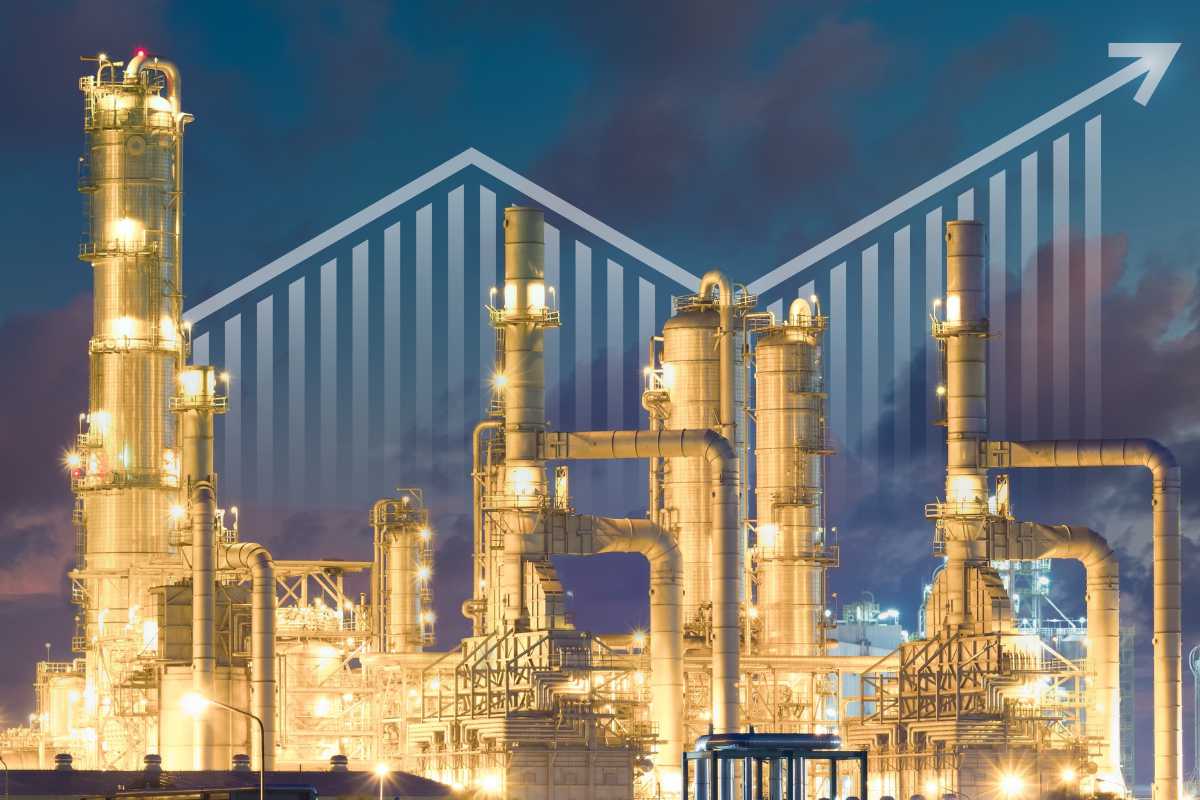
Energy markets are experiencing increasing pressure as oil prices have surged significantly, raising concerns about their impact on the global economy. This price increase comes at a critical time when the world is striving to recover from the effects of the COVID-19 pandemic.
Oil prices are reaching record levels, putting additional pressure on governments and businesses worldwide. This price surge occurs at a time when the global economy is grappling with multiple negative repercussions, including rising inflation rates and increased living costs.
Event Details
In recent weeks, oil markets have witnessed sharp fluctuations, with prices rising by as much as 20% at times. This notable increase reflects instability in supply and demand, alongside geopolitical tensions in key oil-producing regions. Additionally, the rising demand for energy following the easing of COVID-19 restrictions has contributed to pushing prices higher.
Oil prices are also influenced by various factors such as inventory reports, political decisions from producing countries, and climate changes affecting oil production. All these factors make it challenging to predict future prices, heightening anxiety in the markets.
Background & Context
Historically, oil markets have experienced significant volatility, but the current increase comes at a time characterized by unprecedented economic challenges. Since the onset of the COVID-19 pandemic, global economies have faced considerable difficulties in adapting to rapid changes in energy demand. As recovery begins, the demand for oil has notably increased, leading to rising prices.
Emerging economies, which heavily rely on oil, face additional challenges due to rising prices. Many of these countries are experiencing budget deficits, making them more vulnerable to the impacts of price increases.
Impact & Consequences
The rise in oil prices has far-reaching implications for the global economy. This increase is expected to lead to higher transportation and production costs, which may negatively affect the prices of goods and services. Furthermore, rising energy prices could lead to increased inflation rates, placing additional pressure on households and businesses.
Governments may be compelled to take measures to mitigate the effects of rising prices, such as providing financial support or imposing price controls. However, these measures may have side effects, such as increasing budget deficits.
Regional Significance
Arab oil-producing countries are among the most affected by rising prices. These nations heavily depend on oil revenues, making them susceptible to market fluctuations. At the same time, some countries may benefit from higher prices, as this could lead to increased government revenues.
However, rising prices may adversely affect oil-importing countries in the region, increasing energy costs and impacting the economy overall. It is crucial for Arab nations to adopt strategies to adapt to these changes, whether through diversifying energy sources or improving energy efficiency.
In conclusion, the rise in oil prices poses a significant challenge to the global economy, and countries must take proactive steps to mitigate the effects of this increase. Current economic challenges require international cooperation and coordination between producing and consuming nations to ensure market stability.