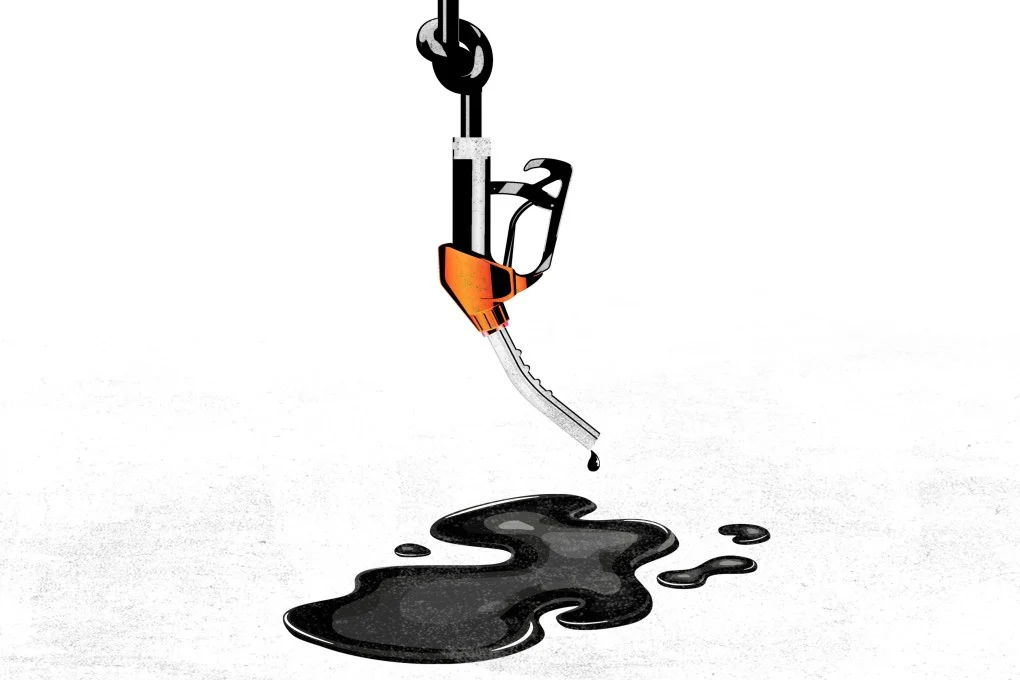
Recent events in Iran, following the bombing it endured, have raised significant concerns in Southeast Asia, where oil prices have noticeably surged to exceed $100 per barrel. While governments initially reassured their citizens that emergency plans were in place to address the crisis, these reassurances began to fade as long lines appeared at gas stations across many countries.
One month after the bombing began, governments started reassessing their energy strategies. For instance, Thailand has resumed operations at coal plants that had been previously shut down, reflecting the immense pressure countries face in securing their energy needs.
Details of the Incident
Pressure is mounting on Southeast Asian governments as oil prices continue to rise, raising questions about how to manage energy under these circumstances. Initially, governments hoped that emergency funds and government support would stabilize prices, but reality has proven that these plans were insufficient.
Reports indicate that several countries, including Indonesia and Malaysia, are beginning to face significant challenges in securing energy supplies, leading to an increased reliance on traditional energy sources such as coal and oil.
Background & Context
Historically, Southeast Asia has relied on importing oil and gas to meet its energy needs. With rising tensions in the Middle East, it has become clear that these countries may face a severe energy crisis if oil prices continue to climb. In recent years, there have been attempts to develop renewable energy sources, but reliance on fossil fuels remains predominant.
In 2020, the region experienced a significant drop in oil prices due to the COVID-19 pandemic, which led to reduced investments in renewable energy. Now, as prices rise again, governments find themselves in a difficult position requiring swift decision-making.
Impact & Consequences
Analyses predict that the ongoing increase in oil prices will affect economic growth in the region, as governments may need to increase financial support for their citizens, potentially leading to budget deficits. Additionally, the resumption of coal plants may raise environmental concerns, as this move contradicts global goals to reduce carbon emissions.
This crisis may also lead to enhanced regional cooperation in the energy sector, as countries might seek to develop a shared energy network to reduce reliance on external energy sources. Such cooperation could positively impact economic and political stability in the region.
Regional Significance
The Arab region is directly affected by rising oil prices, as Arab countries are among the largest oil producers in the world. While Southeast Asian countries struggle with an energy crisis, Arab nations may benefit from these conditions to boost their oil exports. However, there must be long-term strategies to avoid over-reliance on oil, especially amid the global shift towards renewable energy.
In conclusion, the recent events in Iran serve as a warning to Southeast Asia and the world about the importance of diversifying energy sources and preparing for future crises. The current situation requires a swift and effective response from governments to ensure energy stability and economic growth in the region.