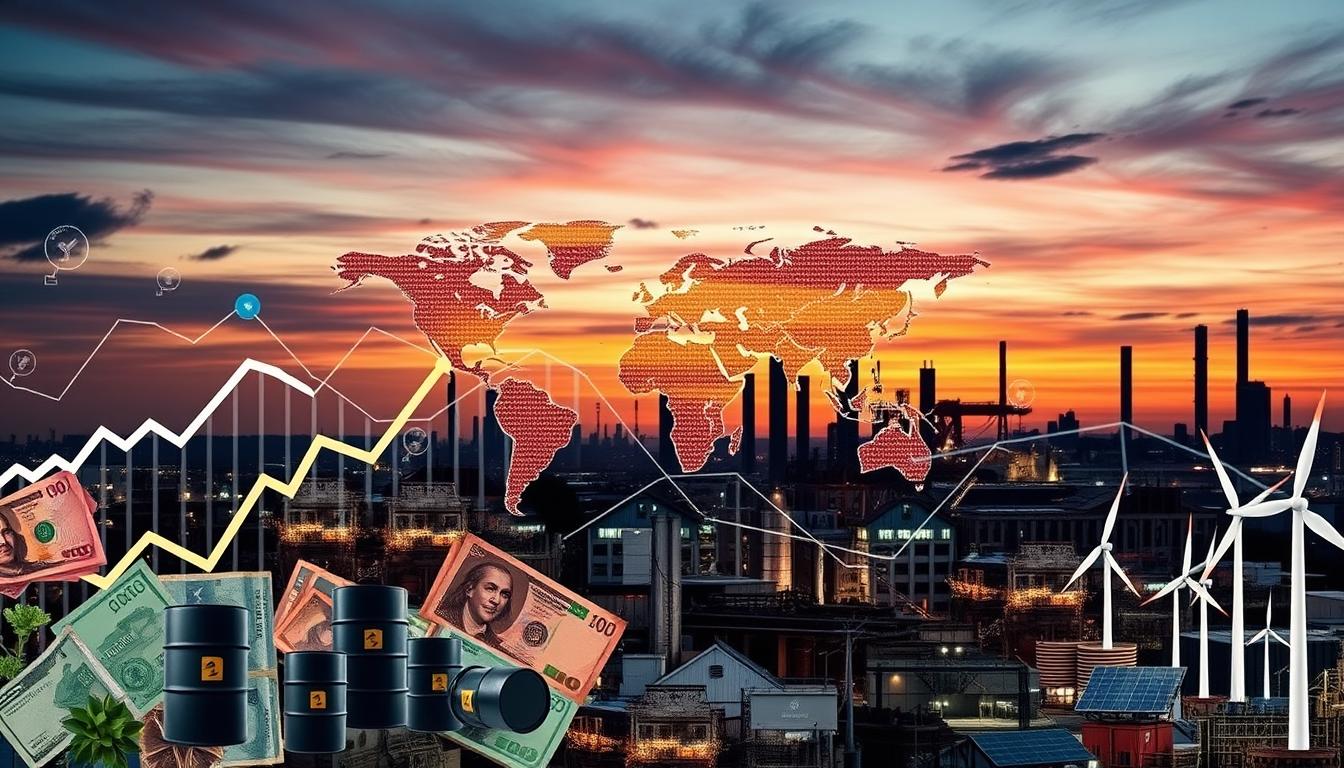
Rising oil prices are continuously affecting financial markets and the global economy, with forecasts indicating that these prices may remain elevated for a long time. This situation raises concerns among investors and impacts their optimism regarding future profits.
Under these circumstances, there is growing anxiety that the sustained rise in oil prices could lead to a slowdown in economic growth in many countries. Numerous analysts have pointed out that these high prices may negatively affect corporate profits, which in turn reflects on financial markets.
Event Details
Reports indicate that oil prices may exceed their current levels, increasing pressures on the global economy. While many investors seek to achieve profits, rising energy costs could reduce profit margins for companies.
Various sectors are affected by rising oil prices, as transportation and production costs increase, negatively impacting the final prices of goods and services. This situation could lead to rising inflation, further increasing pressures on consumers.
Background & Context
Historically, oil prices have played a pivotal role in the global economy. In recent years, we have witnessed significant fluctuations in oil prices due to geopolitical events, such as conflicts in the Middle East and changes in the oil policies of major countries. These factors directly affect financial markets.
Although rising oil prices can benefit some producing countries, they pose challenges for consuming nations. In recent years, there has been an increase in reliance on alternative energy sources, but oil still constitutes a large part of the global energy mix.
Impact & Consequences
High oil prices are expected to lead to a slowdown in economic growth in many countries. Companies that rely on oil as a core part of their operations may face difficulties in maintaining healthy profit margins. This situation could lead to reduced investments in certain sectors.
Moreover, rising oil prices may lead to increased inflation, affecting consumers' purchasing power. Under these conditions, many investors may seek to reduce their exposure to financial markets, which increases market volatility.
Regional Significance
The Arab region is one of the largest oil producers in the world, and thus rising prices may have dual effects. On one hand, they can enhance oil revenues for producing countries, contributing to the support of their economies. On the other hand, these prices may impact consuming countries in the region, increasing economic pressures on them.
Ultimately, oil prices remain a crucial factor in determining trends in the global economy. Investors and companies must be aware of changes in oil prices and make appropriate decisions based on these fluctuations.