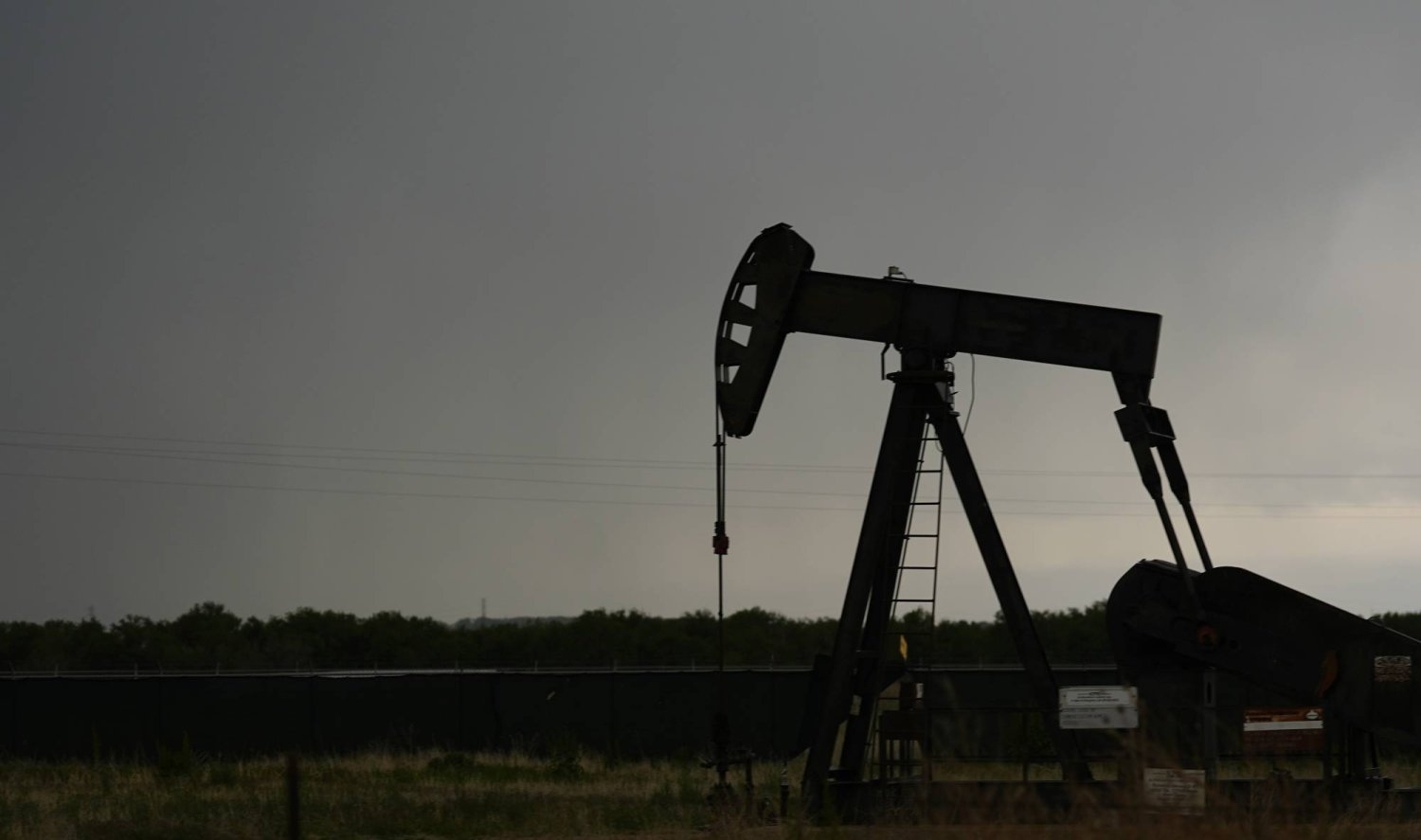
Indonesia's local credit market is facing increasing pressure due to rising oil prices caused by the war in Iran. This surge raises concerns about inflation and accelerates capital outflows, heightening worries about the country's creditworthiness. Under these circumstances, investors are facing significant challenges in assessing the risks associated with investing in Indonesian bonds.
Indonesia is particularly affected due to its heavy reliance on oil imports, as rising prices impact production and transportation costs, leading to an increase in overall prices. Experts have indicated that these conditions may erode consumers' purchasing power, negatively reflecting on economic growth.
Details of the Situation
As geopolitical tensions in the Middle East escalate, the Indonesian economy faces new challenges. Oil prices have risen significantly, leading to increased energy and commodity costs. This price increase may result in higher inflation rates, posing a significant threat to the country's economic stability.
Moreover, capital outflows from Indonesia have increased markedly, as investors seek to reduce their exposure to risks. This situation raises concerns about the Indonesian government's ability to maintain the stability of the national currency, the rupiah, which may come under additional pressure due to these changes.
Background & Context
Historically, Indonesia has experienced economic fluctuations due to changes in global oil prices. In previous years, the country relied heavily on raw material exports, making it vulnerable to fluctuations in global markets. With the rising demand for oil in global markets, Indonesia has needed to diversify its economy and reduce its dependence on oil exports.
The war in Iran, which has led to rising oil prices, is a key factor in this crisis. Political tensions in the region affect the stability of global markets, negatively impacting emerging economies like Indonesia.
Impact & Consequences
Many financial institutions expect these conditions to lead to a slowdown in economic growth in Indonesia. Rising inflation rates may reduce consumer spending, affecting local businesses and increasing unemployment. Additionally, a decline in foreign investments may hinder the government's efforts to achieve sustainable growth.
Furthermore, a deterioration in credit conditions may lead to increased borrowing costs, placing additional pressure on companies that rely on external financing. Under these circumstances, the government may need to take urgent measures to maintain economic stability.
Regional Significance
The Arab region is directly affected by rising oil prices, as Arab countries are among the largest oil producers in the world. The increase in prices may boost oil revenues for Arab nations, but it could also lead to fluctuations in global markets, impacting Arab investments abroad.
Moreover, geopolitical tensions in the Middle East may affect the stability of financial markets in the region, necessitating proactive measures from Arab countries to protect their economies from the repercussions of these crises.