Jim Caron, head of investment solutions at Morgan Stanley, stated that the significant rise in oil prices in recent times has led to a price shock, negatively impacting stock markets. The value of future cash flows has been further reduced, contributing to a noticeable decline in stock prices.
During his appearance on "Bloomberg The Close," Caron noted that markets may be "overlooking" this shock, reflecting a sense of caution among investors. This warning comes at a time when financial markets are experiencing significant volatility, raising concerns about the sustainability of the global economic recovery.
Details of the Event
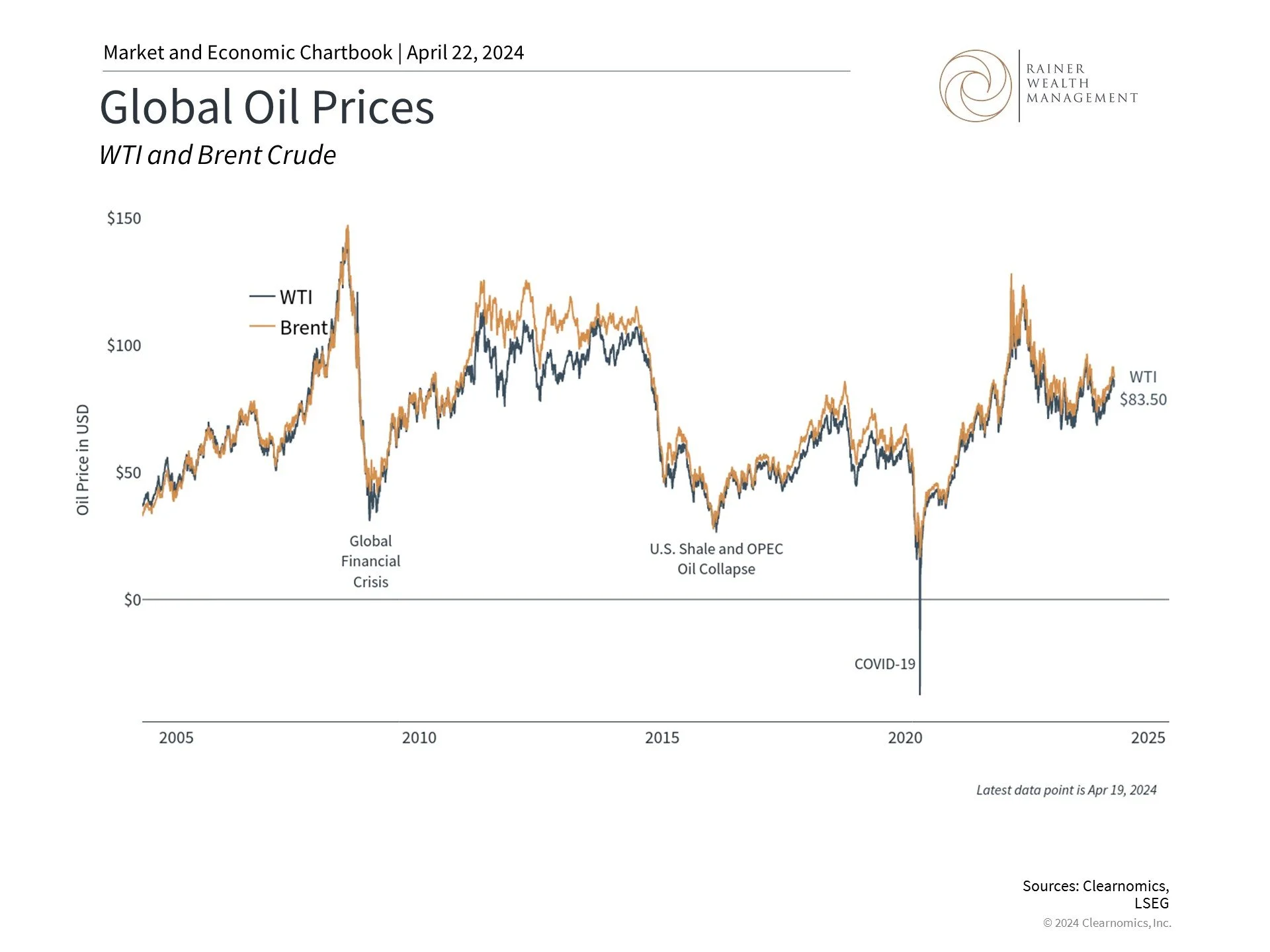
Oil prices have seen a remarkable increase in recent months, surpassing the $90 per barrel mark. This rise is attributed to several factors, including increased global energy demand and geopolitical tensions in key oil-producing regions such as the Middle East and Africa. This increase has had direct effects on production and transportation costs, exacerbating inflationary pressures on the global economy.
At the same time, stock prices have declined in many global markets as they reacted to fears that rising oil prices could lead to increased corporate costs, thereby reducing future profits. Data has shown that many major companies have begun to adjust their profit forecasts in light of these changes.
Background & Context
Historically, oil is considered one of the main drivers of the global economy. Any significant changes in its prices affect many sectors, including transportation and industry. In recent years, we have witnessed considerable fluctuations in oil prices due to changes in supply and demand, as well as geopolitical events.
In 2020, oil prices were severely impacted by the COVID-19 pandemic, leading to a sharp decline in demand. However, the market has gradually begun to recover, but the recent rise in prices raises concerns about the possibility of a new shock in financial markets.
Impact & Consequences
The implications of rising oil prices on financial markets are multifaceted. On one hand, this may lead to increased inflation, placing pressure on central banks to raise interest rates. This, in turn, could affect economic growth as borrowing becomes more expensive.
Moreover, rising oil prices may impact government budgets, especially in countries that heavily rely on oil revenues. If this trend continues, we may witness changes in fiscal and monetary policies in many countries.
Regional Significance
Arab oil-producing countries are among the most affected by rising oil prices. An increase in prices could mean a boost in government revenues, which can enhance public budgets. However, these countries must be cautious of over-reliance on oil revenues, especially amid ongoing market fluctuations.
At the same time, rising oil prices may lead to increased inflationary pressures in Arab countries, affecting citizens' purchasing power. Therefore, it is crucial for governments to adopt diverse developmental strategies that reduce dependence on oil as a primary source of revenue.
In conclusion, the rise in oil prices remains a contentious issue, requiring investors and decision-makers in financial markets to take prudent steps to address potential challenges.