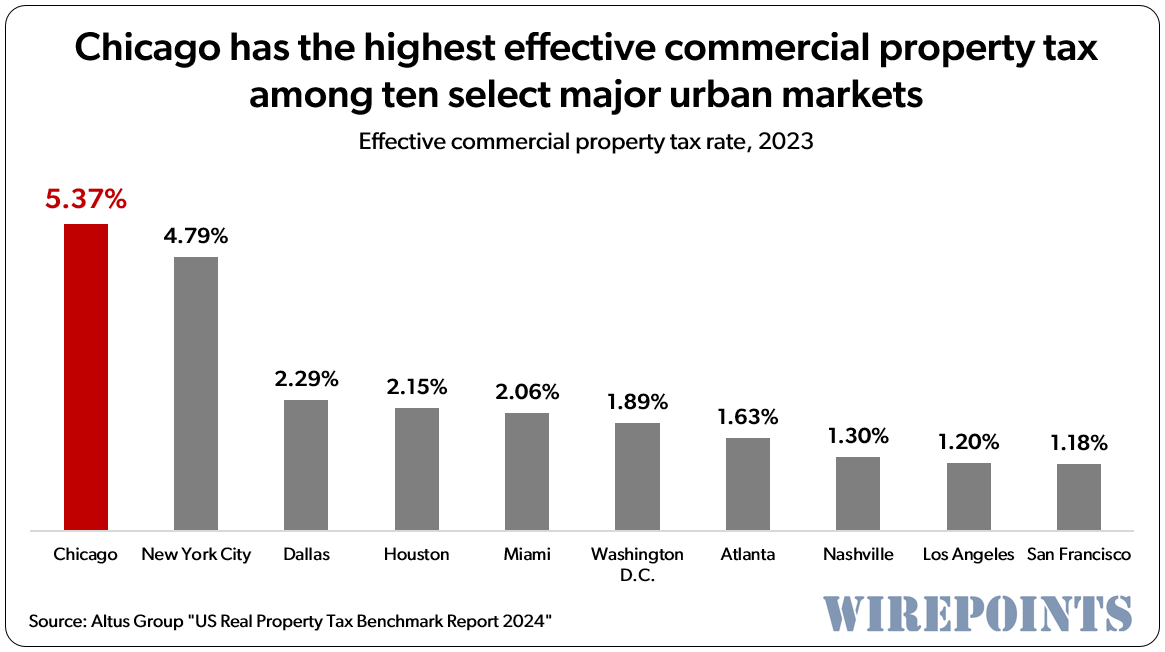
Residents of the Chicago area are increasingly anxious due to rising property taxes, as a recent study revealed that tax bills have increased at a rate exceeding inflation over the past thirty years. This substantial rise in taxes places additional pressure on families, raising questions about the affordability of living in one of the most expensive regions in the United States.
According to the study released on Monday, Chicago residents face some of the highest property taxes in the country, with the rate of increase in bills doubling compared to the inflation rate. This has generated significant concern among citizens, especially given the current economic conditions facing the nation.
Details of the Situation
Reports indicate that property taxes in the Chicago area have increased by approximately 200% over the past thirty years, while the inflation rate has not exceeded 100% during the same period. This large gap reflects the challenges faced by residents in light of rising living costs, making it difficult for many to maintain their homes.
Complaints are growing among residents who feel trapped between rising taxes and increasing prices of goods and services. Many citizens have indicated that they may be forced to make difficult decisions regarding their financial futures, including the possibility of relocating to less expensive areas.
Background & Context
Historically, the Chicago area has experienced significant changes in the real estate market, with prices rising markedly in recent years. However, the increase in property taxes has not kept pace with income growth, exacerbating the financial situations of many families. Additionally, changes in local policies and government actions have contributed to this increase, making it challenging for residents to adapt to these changes.
In recent years, there have been increasing calls from the local community for authorities to reconsider the property tax system, as many believe the current system is unfair and negatively impacts vulnerable groups. However, proposed solutions have yet to receive adequate support from decision-makers.
Impact & Consequences
The implications of rising property taxes in Chicago extend beyond the city limits, potentially affecting the local economy as a whole. As financial pressures on families increase, consumer spending may decline, negatively impacting local businesses and increasing unemployment rates.
Moreover, the rise in taxes may drive some residents to leave the city in search of better opportunities in other areas, leading to a decrease in the population of Chicago. This could also affect property values in the region, creating a vicious cycle of economic decline.
Regional Significance
Although this issue directly concerns Chicago residents, there are lessons that Arab countries can learn from it. Many Arab nations face similar problems related to taxes and fees, affecting citizens' purchasing power. The experience of Chicago could serve as a warning to Arab countries about the importance of achieving a balance between taxation and economic development.
In conclusion, Chicago residents face significant challenges due to rising property taxes, raising widespread concerns about their financial futures. It is crucial for local authorities to take effective action to address this issue before it worsens further.