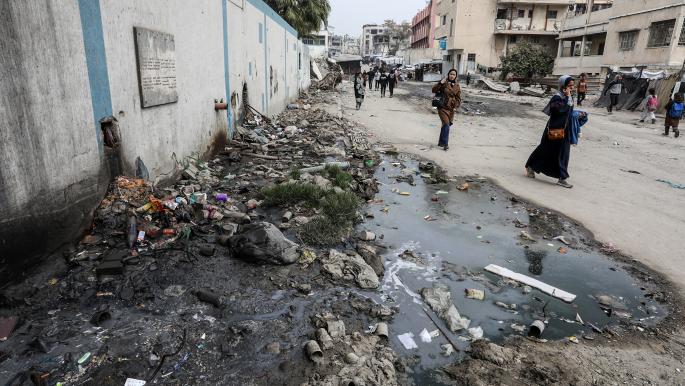
Health concerns are escalating in the Gaza Strip as waste and debris accumulate around displacement sites, coinciding with rising temperatures. These conditions create an ideal environment for the spread of diseases, threatening the lives of displaced individuals who are already facing difficult living conditions.
Reports indicate that the increasing numbers of rodents and mosquitoes in conflict-affected areas heighten the risk of infectious disease outbreaks. As summer begins, this problem worsens, with high temperatures contributing to the proliferation of insects and pests.
Details of the Situation
Waste is piling up in the streets of Gaza, leading to foul odors and a surge in rodent populations. Additionally, sewage leaks into residential areas further exacerbate disease outbreaks, as this water creates a fertile environment for insect breeding. Local sources have reported that many displaced individuals are suffering from health issues as a result of these conditions, necessitating urgent intervention from relevant authorities.
Under these circumstances, displaced individuals face significant challenges in accessing necessary healthcare. Hospitals and health centers are suffering from resource shortages, making it increasingly difficult to provide medical services to those affected. The lack of medicines and medical supplies further aggravates the health situation in the region.
Background & Context
Historically, the Gaza Strip has experienced recurring humanitarian crises due to ongoing conflicts and the imposed blockade. These crises have led to the deterioration of health and environmental infrastructure, making the population vulnerable to diseases. In recent years, these conditions have worsened due to the latest conflict, where the destruction of homes and infrastructure has increased the number of displaced individuals.
Gaza is considered one of the most densely populated areas in the world, which increases pressure on available resources. With rising numbers of displaced individuals, it has become essential to provide a healthy and safe environment for them, requiring collective efforts from both the international and local communities.
Impact & Consequences
The implications of the health situation in Gaza extend beyond local borders, potentially affecting regional stability. The outbreak of diseases in Gaza could increase pressure on health systems in neighboring countries, necessitating a swift response from the international community.
Moreover, poor health conditions can exacerbate social and economic situations in the region. Displaced individuals suffering from illnesses may lose their ability to work, increasing poverty and unemployment rates within the community.
Regional Significance
The situation in Gaza serves as a wake-up call for other Arab countries facing similar challenges. Humanitarian and health crises require coordination among Arab nations to provide support and assistance to those affected. Additionally, enhancing regional cooperation in public health can contribute to improving conditions in affected areas.
In conclusion, the situation in Gaza demands urgent attention from the international community. An effective response is necessary to address the health and environmental challenges facing displaced individuals, ensuring their safety and well-being amid the difficult conditions they endure.