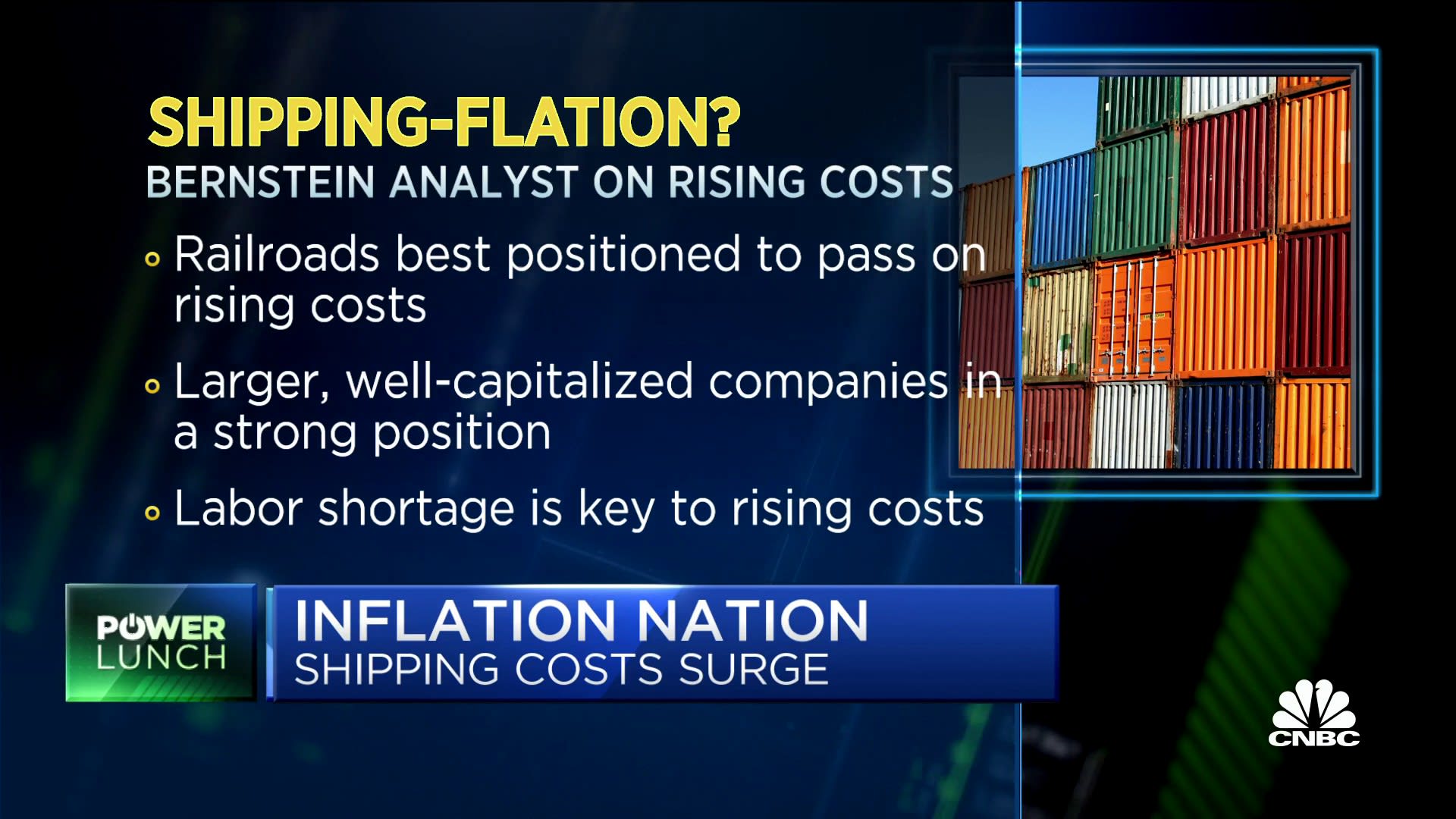
The shipping costs in the United States have seen a significant increase, reaching their highest levels since 2022, which adds new pressures to the inflation that the American economy is currently facing. This rise comes at a sensitive time, as fuel prices are soaring due to the ongoing conflict in Iran, negatively impacting transportation costs.
Reports indicate that fuel prices have sharply risen, leading to increased shipping expenses. Simultaneously, the shipping market is suffering from a severe shortage of drivers, exacerbating the challenges faced by transportation companies. This situation raises concerns among consumers and businesses alike, as these pressures are expected to lead to price increases across various sectors.
Details of the Shipping Cost Surge
According to reports, shipping prices have risen significantly, reflecting the substantial challenges confronting the transportation industry in the United States. This increase occurs at a time when the American economy is grappling with rising inflationary pressures, as the government seeks to control escalating prices. Additionally, the driver shortage is a key factor contributing to the exacerbation of this issue, as companies struggle to meet the growing demand for transportation services.
Data shows that the number of drivers in the United States has significantly declined in recent years, leading to increased competition among companies to attract drivers. This labor shortage directly affects shipping costs, as companies are forced to raise wages to draw in more drivers, which in turn reflects on the prices of services offered to customers.
Background & Context
Historically, the transportation industry in the United States has faced numerous challenges, ranging from economic crises to changes in government policies. However, the conflict in Iran has added a new dimension to the crisis, resulting in a substantial rise in oil prices. This increase in fuel prices directly impacts shipping costs, making it difficult for companies to maintain profit margins.
In recent years, there have been attempts to improve working conditions for drivers and increase their numbers, but these efforts have not been sufficient to address the current shortage. This situation requires a swift response from both the government and companies to prevent worsening economic conditions.
Impact & Consequences
The ongoing rise in shipping costs may lead to increased inflation in the United States, affecting consumers' purchasing power. If these trends continue, we may witness negative impacts on the American economy as rising prices reduce consumer spending.
Moreover, the impact of rising shipping costs may extend to global markets, as many countries rely on imports from the United States. This could lead to price increases in other markets, exacerbating inflationary pressures on a global scale.
Regional Significance
The implications of rising shipping costs are significant not only for the U.S. economy but also for international trade dynamics. As shipping becomes more expensive, the cost of goods may rise, leading to a ripple effect across various economies that depend on American products.
In conclusion, the current situation in the shipping industry highlights the interconnectedness of global economies and the potential for local issues to have far-reaching effects. Addressing these challenges promptly is crucial for maintaining economic stability both domestically and internationally.