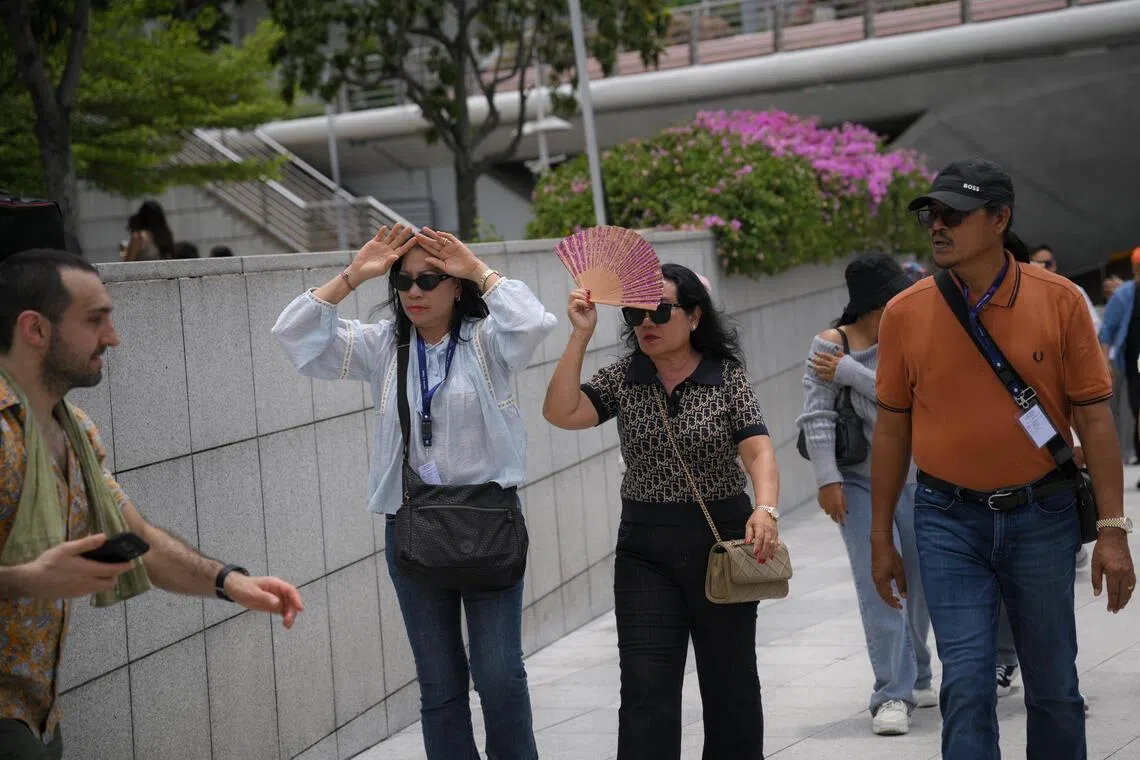
Singapore is experiencing a significant rise in temperatures, increasing health risks for vulnerable groups such as the elderly, children, and pregnant women. This comes at a time when concerns about the impacts of climate change on public health are growing worldwide.
Reports have indicated that rising temperatures could exacerbate chronic health conditions and increase the risk of heat-related illnesses. Therefore, it is essential for individuals and communities to take steps to mitigate these risks.
Event Details
In recent years, Singapore has witnessed recurring heatwaves, with temperatures exceeding 35 degrees Celsius on some days. This situation requires urgent action from both the government and the community to protect the most at-risk populations. These groups include individuals with chronic medical conditions, such as heart disease and diabetes, as well as pregnant women and children.
These heatwaves are part of a growing global pattern due to climate change, necessitating an effective response from governments and communities. Studies have shown that rising temperatures can lead to an increase in heat-related mortality, raising concerns about public health.
Background & Context
Historically, Singapore has been known for its tropical climate, but recent climate changes have led to noticeable shifts in weather patterns. According to scientists, the rise in temperatures in the city is a direct result of global warming, which affects regions worldwide. Research has shown that major cities like Singapore face increasing challenges in managing high temperatures.
In this context, the Singaporean government has launched initiatives aimed at reducing carbon emissions and promoting sustainability. However, there remains an urgent need to raise community awareness about how to cope with rising temperatures.
Impact & Consequences
The implications of rising temperatures in Singapore extend beyond individual health, affecting the economy and daily activities. Harsh climatic conditions may disrupt businesses, increase healthcare costs, and reduce workplace productivity.
Moreover, rising temperatures can lead to increased energy consumption, placing additional strain on electrical grids. Under these circumstances, it becomes crucial for Singapore to adopt effective strategies to adapt to these climatic changes.
Regional Significance
The Arab region is also vulnerable to the effects of climate change, with many countries experiencing rising temperatures and drought. The challenges faced by Singapore are similar to those encountered by Arab nations, necessitating international cooperation to address these issues.
Singapore's experiences in managing health risks associated with heat could serve as a model for Arab countries. By enhancing awareness and developing effective strategies, Arab nations can protect their populations from health risks linked to climate change.