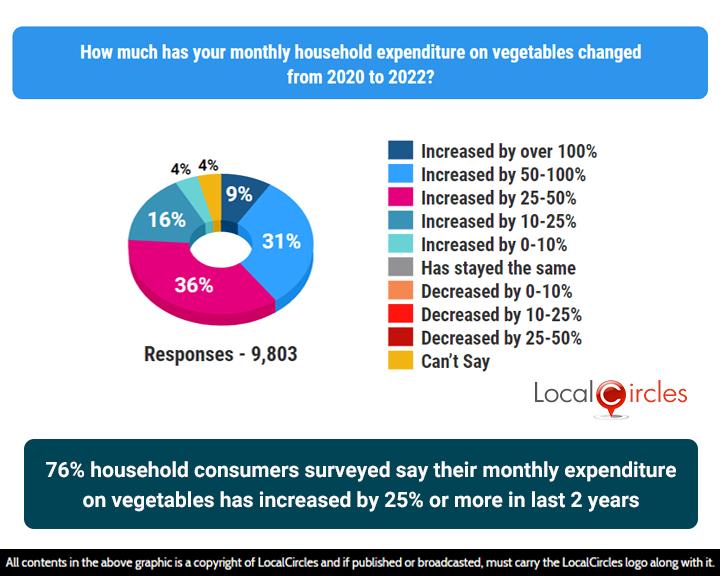
Local markets in many Arab countries are experiencing a noticeable rise in vegetable prices, causing concern among consumers regarding their ability to meet essential nutritional needs. Reports indicate that prices for certain varieties have surged by more than 30% compared to previous periods, putting additional pressure on low-income families.
This price increase occurs at a time when many citizens are suffering from the repercussions of global and local economic crises. Climatic factors, such as droughts and floods, are impacting agricultural production, leading to shortages and rising prices.
Details of the Price Surge
Data shows that the prices of tomatoes, potatoes, and cucumbers have seen significant increases, with tomatoes rising by 40% in some markets. The prices of potatoes and cucumbers have also followed this trend, raising questions about the reasons behind these increases.
Several factors contribute to this rise, with transportation and distribution costs playing a significant role in determining final prices. Additionally, the growing demand for vegetables under current circumstances increases pressure on the markets.
Background & Context
This price hike comes at a sensitive time, as many citizens are grappling with the effects of economic crises that have impacted their purchasing power. In recent years, fluctuations in the prices of essential goods have forced families to adapt to these changes.
Historically, Arab markets have experienced fluctuations in vegetable prices due to multiple factors, including climatic changes, agricultural policies, and economic crises. These factors intertwine to create a complex landscape affecting consumers.
Impact & Consequences
The rise in vegetable prices has direct effects on citizens' lives, forcing many to reduce their consumption or seek cheaper alternatives. This situation may lead to a decline in the quality of food available to families, impacting their overall health.
Moreover, these price increases could lead to higher inflation rates, placing additional pressure on governments to intervene through support policies or price regulation. In some cases, governments may resort to importing vegetables from abroad to meet local demand.
Regional Significance
Vegetable prices are considered important economic indicators in the Arab region, reflecting the overall economic situation. Given the multiple crises facing some countries, closely monitoring these prices becomes essential.
The rise in vegetable prices could affect social stability, potentially leading to protests or demands for improved living conditions. Therefore, governments are urged to take effective measures to alleviate this issue.
In conclusion, the increase in vegetable prices remains a matter requiring urgent attention from decision-makers to ensure the availability of affordable food for citizens and achieve economic and social stability in the region.