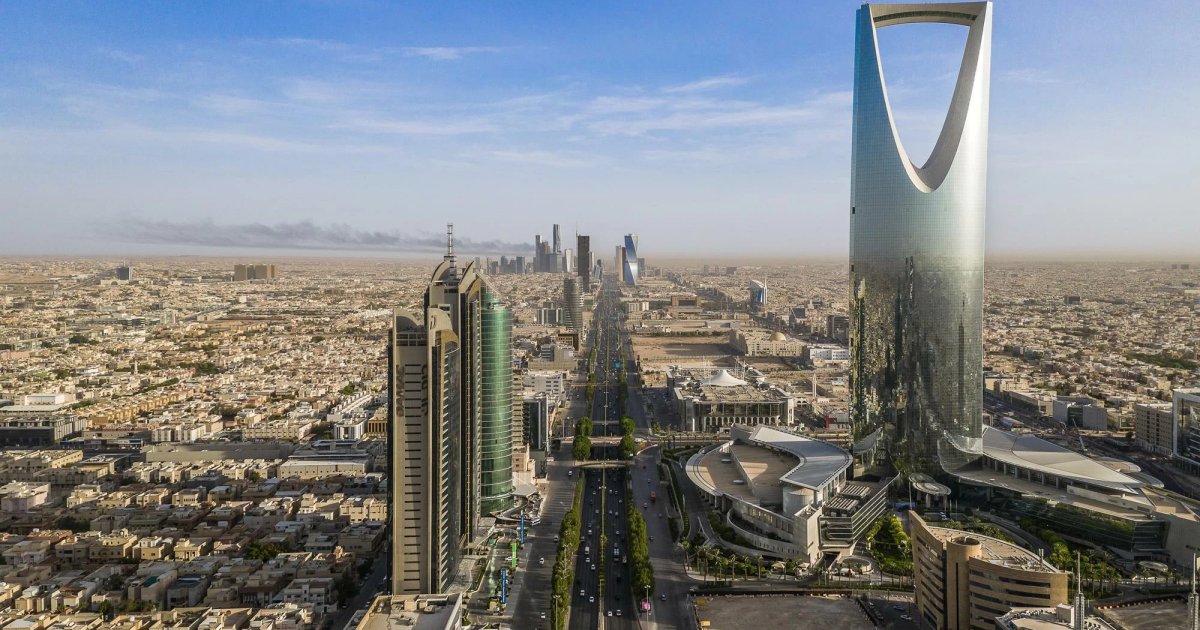
Riyadh has topped the list of Saudi cities in the IMD Smart Cities Index for 2026, achieving the 24th position globally. This achievement reflects Riyadh's status as one of the leading centers for digital transformation and smart infrastructure in the region, driven by the integration of digital government services and the expansion of smart city projects.
In second place within the Kingdom, the city of Hail ranked 33rd globally. This progress reflects the accelerating pace of technological and service development in areas outside major cities, where Hail has excelled in education, digital services, and quality of life indicators, demonstrating the success of balanced development models at the regional level.
Details of the Event
The list of smart cities also included Mecca at 50th place, Jeddah at 55th, Dammam at 64th, Medina at 67th, AlUla at 85th, and Hafr Al-Batin at 100th. This distribution enhances the Kingdom's presence with eight cities in the global ranking, indicating ongoing efforts to improve the quality of life across various regions.
The IMD index relies on a comprehensive assessment that combines infrastructure and digital technologies, as well as measuring residents' satisfaction with the quality of services provided. This evaluation reflects the effectiveness of government investments in digital transformation, led by the Saudi Data and Artificial Intelligence Authority (SDAIA), and its integration with the targets of Saudi Vision 2030.
Background & Context
The Kingdom of Saudi Arabia aims to achieve comprehensive digital transformation under Vision 2030, which seeks to diversify the economy and enhance the quality of life. These efforts are part of the government's pursuit to develop digital infrastructure and provide integrated government services that contribute to improving living standards.
Smart cities are a fundamental part of this transformation, where technology is used to enhance public services and improve management efficiency. Riyadh, as a major center, plays a pivotal role in this context, while Hail stands out as an advanced model for other cities striving to achieve similar goals.
Impact & Consequences
This ranking reflects a qualitative shift in the urban landscape of the Kingdom, as Saudi cities have become more competitive on both regional and international levels. It also reflects the government's success in implementing digital transformation strategies, enhancing the Kingdom's ability to attract investments and improve the business environment.
These achievements contribute to strengthening the Kingdom's position as a leading destination in innovation and technology, opening new horizons for cooperation with other countries in various fields, including education, health, and transportation.
Regional Significance
The Kingdom's experience in digital transformation serves as a model for the Arab region, potentially inspiring other countries to adopt similar strategies. Improving quality of life through technology can contribute to achieving sustainable development across various Arab nations.
In conclusion, the progress of Saudi cities in the IMD Smart Cities Index reflects the Kingdom's commitment to achieving the goals of Vision 2030, contributing to improving living standards and enhancing economic and social development.