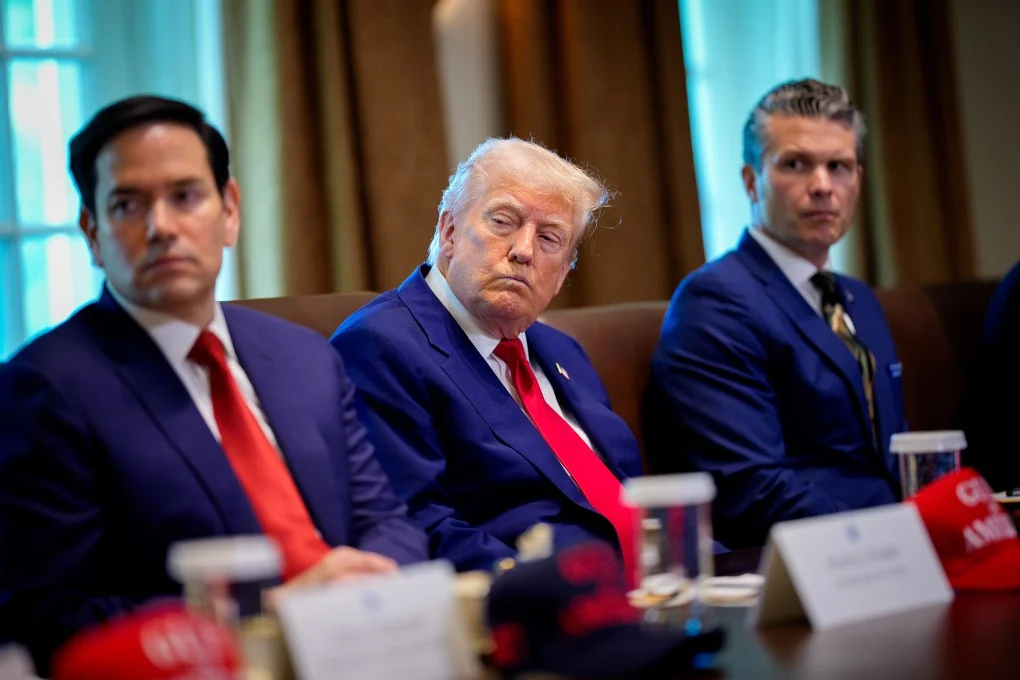
In a significant step in international relations, a Chinese research center has revealed a comprehensive plan aimed at enhancing peaceful coexistence between China and the United States. This initiative comes at a time when relations between the two superpowers are experiencing a strategic stalemate, with rising tensions in multiple areas such as trade, technology, and security. The research paper was published on May 13, the same day President Donald Trump arrived in Beijing for a strategically significant visit.
The plan, prepared by the China Institute of Contemporary International Relations (CICIR), includes a series of proposals designed to ease tensions and promote cooperation between the two countries. This plan serves as a call for dialogue and understanding, seeking to find common ground between both sides amid increasing challenges.
Key Details of the Initiative
The plan outlines several key points, including enhancing communication between political leaders and expanding cooperation in areas such as climate change and public health. It also emphasizes the importance of addressing trade issues fairly and balanced, reflecting both sides' desire to move beyond current disagreements.
Reports indicate that this initiative comes at a sensitive time, as concerns grow over escalating conflicts between the two powers. This plan could represent a first step towards rebuilding trust between Beijing and Washington, which is deemed essential for achieving stability in the international system.
Background & Context
Historically, relations between China and the United States have experienced numerous fluctuations, with periods of cooperation and others of tension. Since the beginning of the 21st century, China has been enhancing its role as a global economic power, raising concerns in the United States. These dynamics have led to the emergence of trade and political conflicts, making the need for mutual understanding more urgent.
Despite the challenges, there are many areas that could form the basis for cooperation, such as combating climate change, where both China and the United States are among the largest carbon emitters. Therefore, joint efforts in this area could serve as a model for collaboration in other fields.
Impact & Consequences
If this plan is successfully implemented, it could lead to improved relations between the two powers, positively impacting the global economy. Additionally, enhancing cooperation in areas such as technology and the environment could contribute to tangible progress in addressing global challenges.
However, the success of this initiative depends on political will from both sides. If tensions continue in other areas, this plan may be at risk of stalling. Therefore, observers are keen to see how both Beijing and Washington respond to this call for cooperation.
Regional Significance
The relations between China and the United States are of great importance to the Arab region, as any improvement in these relations could reflect on economic and political stability in the Middle East. China is considered an important trading partner for many Arab countries, while the United States plays a key role in regional politics.
Thus, any steps toward improving relations between the two powers could lead to enhanced economic and investment cooperation in the region, benefiting Arab countries and strengthening their ability to face challenges.