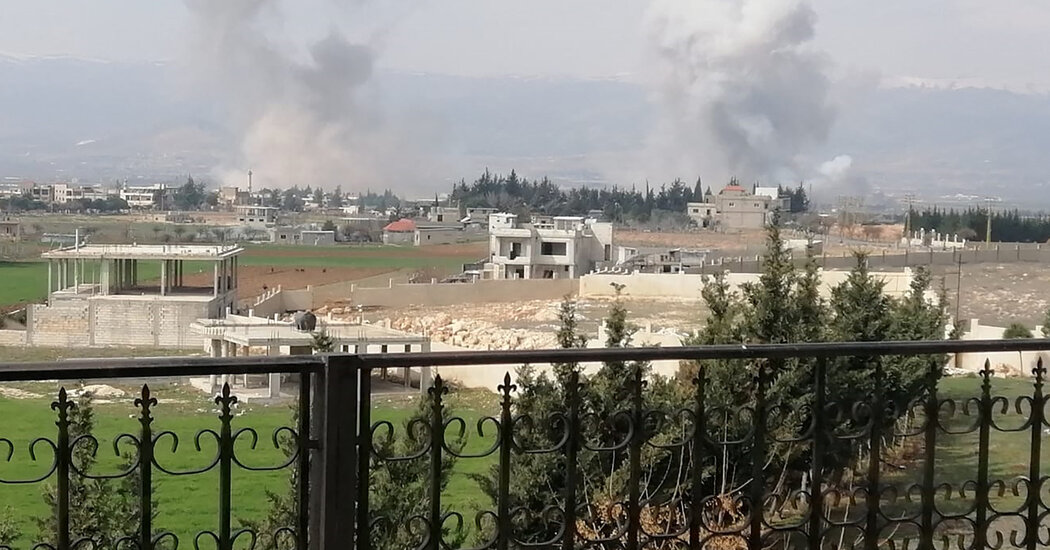
A serious escalation has occurred at the Lebanese-Israeli border, with rockets fired from Lebanon targeting Upper Galilee, prompting Israeli forces to bomb the southern suburbs of Beirut. These events are part of increasing tensions in the region, raising fears of a larger conflict.
Details from local sources indicate that the rockets launched from Lebanon targeted areas in Upper Galilee, activating the Israeli Iron Dome defense system. In response, Israeli forces conducted intensive shelling on the southern suburbs, resulting in significant material damage.
Details of the Incident
This incident is part of a series of escalating tensions between Hezbollah and the Israeli army, with mutual attacks increasing in recent weeks. Israeli military sources confirmed that the rockets were launched from an area close to the border, suggesting possible coordination among Lebanese factions.
In retaliation, Israeli warplanes carried out airstrikes on sites believed to be affiliated with Hezbollah in the southern suburbs, leading to injuries and property damage. These escalations raise concerns about the potential outbreak of a full-scale war in the region.
Background & Context
Historically, the Lebanese-Israeli border has witnessed numerous armed conflicts, with Hezbollah being one of the main factions resisting Israeli occupation. Since 2006, when the Second Lebanon War broke out, there have been repeated attempts by both sides to de-escalate tensions, yet they persist.
Recently, the rhetoric between both sides has intensified, with Israel accusing Hezbollah of enhancing its military capabilities, while the party warned against any aggression towards Lebanon. This context complicates the current events, as regional and international interests intertwine.
Impact & Consequences
These events come at a sensitive time, as the region suffers from multiple crises, including economic and political situations in Lebanon and Palestine. The military escalation could exacerbate the humanitarian conditions in Lebanon, which is already grappling with internal crises.
International reactions may also play a crucial role in how events unfold. The international community, particularly major powers, may intervene to curb the escalation, but history shows that such interventions can sometimes be ineffective.
Regional Significance
This military escalation could impact conditions in neighboring countries, especially Syria and Palestine. It may lead to increased tensions between Palestinian factions and Israeli occupation, potentially reigniting conflict in Gaza and the West Bank.
In conclusion, the region remains on high alert, with growing fears of a new war that could affect the stability of neighboring countries and increase civilian suffering.