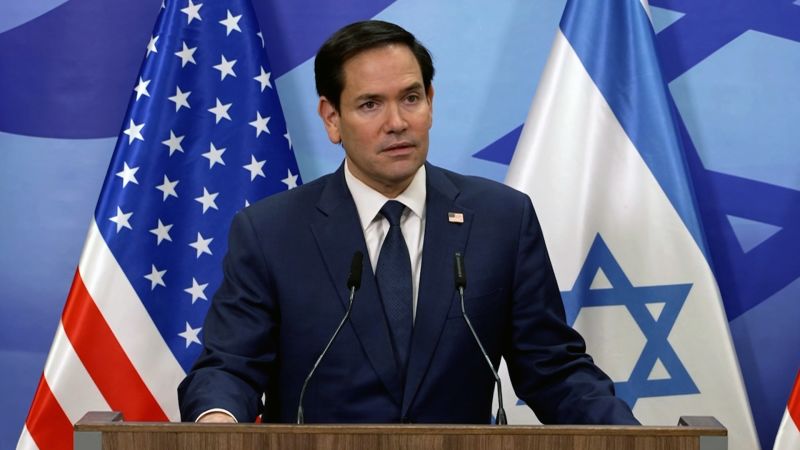
In recent statements, U.S. Senator Marco Rubio affirmed that the United States does not need to send ground troops to Iran, indicating that the current situation can be managed through other means. These remarks come at a sensitive time as tensions flare in the region, prompting questions about U.S. strategy in the Middle East.
During his discussion with the media, Rubio clarified that the focus should be on utilizing diplomatic and economic tools rather than resorting to military force. He also noted that sending ground troops could escalate the conflict and complicate the situation further.
Details of the Event
Rubio's statements come at a time when Iran is experiencing a surge in internal protests, alongside rising tensions with the United States and its allies. Many observers have pointed out that the situation in Iran may require an international response, but Rubio emphasized that military solutions are not the optimal choice.
He added that the United States should continue to pressure the Iranian regime through economic sanctions, which have proven effective in the past. He asserted that this approach could lead to positive changes within Iran without the need for military intervention.
Background & Context
Historically, relations between the United States and Iran have been strained since the Islamic Revolution in 1979. Recent years have seen an escalation in tensions, particularly following the U.S. withdrawal from the Iran nuclear deal in 2018. This withdrawal led to the reimposition of harsh economic sanctions on Iran, significantly impacting its economy.
In recent years, popular protests in Iran against the regime have increased, indicating widespread discontent with economic and social policies. These conditions make it challenging for the United States to decide on military intervention, as such actions could exacerbate the situation rather than improve it.
Impact & Consequences
Rubio's statements indicate a shift in U.S. strategy towards Iran. Instead of focusing on military options, there appears to be a trend towards enhancing economic and diplomatic pressures. This approach could help reduce tensions in the region, but it may also face challenges from other regional powers.
Additionally, this stance may affect U.S. relations with its allies in the region, as some may feel concerned about the lack of strong military support in the event of escalating tensions. However, focusing on diplomatic solutions could open the door for greater cooperation with other countries in the region.
Regional Significance
Tensions between the United States and Iran directly impact Arab countries, especially those sharing borders with Iran or influenced by its power. Countries like Iraq, Syria, and Lebanon may find themselves in a difficult position if situations escalate in Iran.
Moreover, the new U.S. strategy could enhance dialogue opportunities between Arab nations and Iran, potentially contributing to greater stability in the region. However, the effectiveness of this strategy in achieving tangible results under current circumstances remains to be seen.