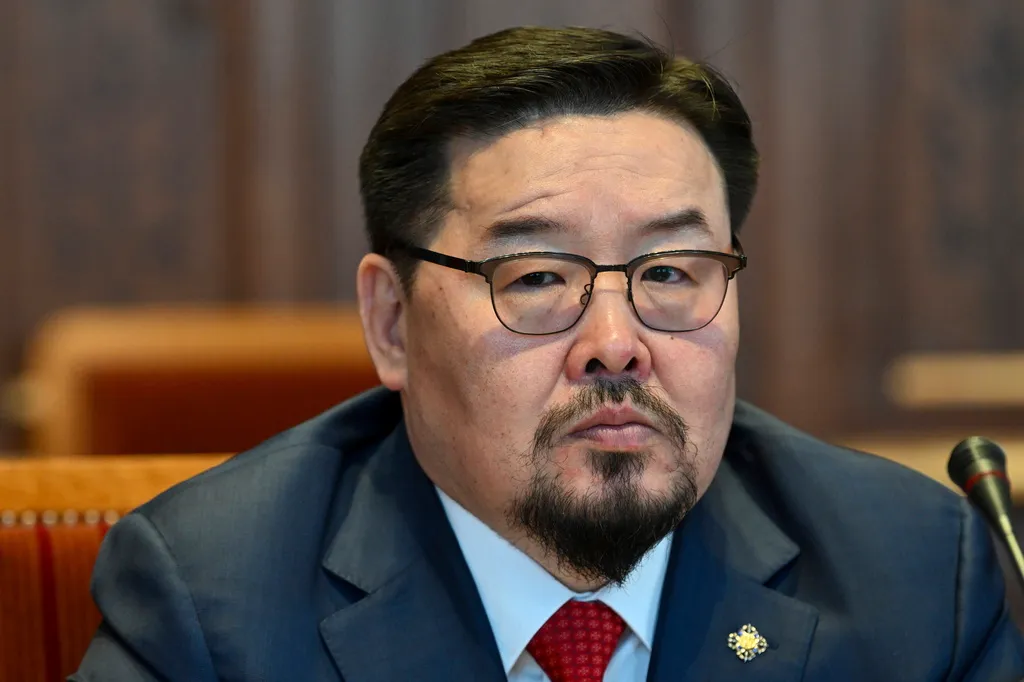
The ruling party in Mongolia, the Mongolian People's Party, has announced its selection of a new candidate for Prime Minister as part of its efforts to strengthen political and economic stability in the country. This announcement comes at a crucial time for Mongolia, which is grappling with significant economic challenges and increasing external pressures.
The new candidate, whose name has not yet been disclosed, emerges at a time when the current government is under pressure, facing criticism for its performance in managing the economy and addressing social crises. This decision was made during a party meeting, where the importance of enhancing effective leadership to tackle current challenges was emphasized.
Details of the Leadership Change
This leadership change is seen as a strategic move by the ruling party, aiming to renew public trust in the government by selecting a figure capable of handling crises. It has been noted that the new candidate possesses extensive experience in the political arena, making him qualified to lead the country during this sensitive phase.
This step follows a series of popular protests that have occurred in the country in recent months, where citizens have demanded improvements in living conditions and a crackdown on corruption. Polls have indicated a decline in the popularity of the current government, prompting the party to take swift action to change leadership.
Background & Context
Mongolia, located between China and Russia, faces significant economic challenges, particularly following the impacts of the COVID-19 pandemic, which led to a downturn in economic growth. Mongolia's economy heavily relies on the mining sector, making it vulnerable to fluctuations in global mineral prices. In recent years, the country has experienced rising unemployment and poverty rates, increasing pressure on the government.
Historically, Mongolia has undergone significant political transformations since its transition to democracy in the early 1990s. However, the country still grapples with structural issues within its political system, including corruption and weak institutions. These factors make it imperative for the government to take serious steps to regain citizens' trust.
Impact & Consequences
This leadership change is expected to have a significant impact on the country's domestic and foreign policies. If the new candidate succeeds in addressing economic and social issues, it could help restore public confidence in the government and enhance political stability. However, failure to achieve these goals may lead to further unrest and public protests.
Additionally, this change could affect relations with neighboring countries, particularly China and Russia, both of which play a crucial role in the Mongolian economy. The new government must navigate these relationships carefully to safeguard the country's economic and political interests.
Regional Significance
Although Mongolia is located far from the Arab world, political and economic events there may have repercussions for the region. Changes in economic policies could impact mineral prices that Arab countries import, especially those reliant on natural resources.
Moreover, the success of the new government in achieving stability may encourage Arab nations facing similar challenges to take similar steps to strengthen political and economic leadership. Ultimately, Mongolia serves as an example of how political changes can affect economic and social stability.