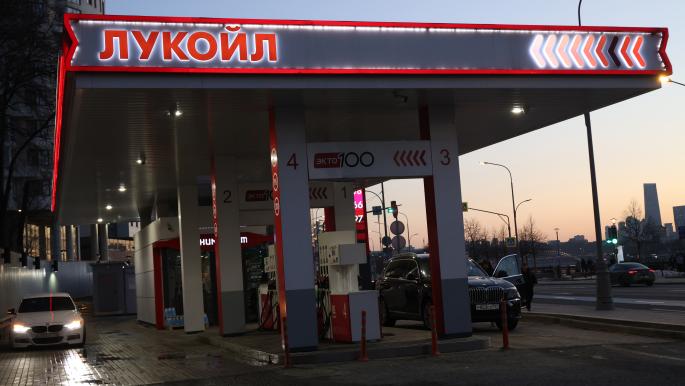
The Russian government has announced its intention to ban gasoline exports starting in April. This move aims to protect the domestic fuel market and address global energy price fluctuations. This decision comes at a time when global markets are experiencing sharp fluctuations in oil prices, raising concerns for both producing and consuming countries.
Russia, one of the largest oil producers in the world, is seeking to secure its internal fuel needs amid challenging economic conditions. Officials have indicated that this decision is part of a broader strategy to ensure market stability and enhance the competitiveness of Russian products.
Details of the Announcement
The Russian government's plan includes a ban on gasoline exports, which could significantly impact global markets. The implementation of this decision is expected to begin in early April, as the government works to finalize the draft resolution. The Russian Minister of Energy confirmed that this decision is part of the government's efforts to protect the domestic market from fluctuations that could affect prices.
This decision comes at a time when global oil prices are experiencing unprecedented increases, adding pressure on oil-importing countries. Recent data has shown that Russia faces significant challenges in meeting domestic market needs due to rising fuel demand.
Background & Context
Historically, Russia has relied heavily on oil and gas exports as a primary source of revenue. However, changes in the global market, including sanctions imposed on Russia due to the conflict in Ukraine, have led to a reassessment of its economic strategies. This step is considered part of the Russian government's efforts to enhance its economic independence and reduce reliance on foreign markets.
In recent years, Russia has undergone significant shifts in its economic policy, seeking to develop new sectors and reduce dependence on energy exports. The decision to ban gasoline exports reflects these new trends, as the government aims to balance meeting domestic market needs while enhancing international competitiveness.
Impact & Consequences
This decision is expected to have wide-ranging effects on global markets, potentially leading to increased gasoline prices in importing countries. Additionally, the ban on gasoline exports may raise concerns for countries that rely on Russian oil, prompting them to reassess their strategies for securing energy needs.
Furthermore, this decision may impact trade relations between Russia and other countries, as some nations may seek alternatives to Russian oil. Consequently, this decision could lead to changes in the dynamics of the global energy market.
Regional Significance
Arab countries are among the largest importers of Russian oil, and thus the ban on gasoline exports could significantly affect fuel prices in the region. Arab nations may need to seek alternative sources to meet their energy needs, potentially leading to increased local prices.
This decision may also open avenues for Arab countries to enhance their cooperation in the energy sector, as producing nations in the region may seek to boost their exports to meet rising demand. Under these circumstances, there may be an opportunity to strengthen regional cooperation in energy and develop new strategies to ensure market stability.
In conclusion, Russia's decision to ban gasoline exports represents a strategic step aimed at protecting the domestic market amid global challenges. However, the implications of this decision may extend to global markets, necessitating close monitoring by importing countries.