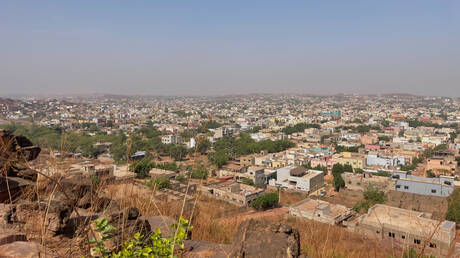
The Russian embassy in Mali has condemned the attacks carried out by militants on security forces across the country, emphasizing the need to combat these terrorist acts. These attacks occurred on Saturday, raising significant concerns within the international community regarding the security situation in the country.
These attacks come at a sensitive time, as Mali has been suffering from escalating violence and terrorism in recent years, leading to a worsening humanitarian and political situation. The Russian embassy expressed its solidarity with the Malian government in facing these challenges, stating that such acts only serve to destabilize the region.
Details of the Attacks
The attacks targeting security forces in Mali involved the use of heavy weaponry, resulting in injuries among security personnel. Several attacks have been documented by armed groups in various regions, reflecting the deteriorating security situation in the country. The Russian embassy emphasized the importance of international cooperation to combat terrorism and provide necessary support to the Malian government.
This escalation occurs in the context of multiple crises facing Mali, where several armed groups are seeking to control territories and expand their influence. The Malian government faces significant challenges in regaining control over affected areas, necessitating effective international support.
Background & Context
Since 2012, Mali has witnessed a surge in violence, with militants exploiting political and security chaos to seize control of vast areas. International military interventions, including French and African operations, have so far failed to achieve lasting stability. The humanitarian situation in the country is deteriorating, with millions suffering from food and water shortages.
Historically, Mali was considered one of the stable countries in West Africa, but recent events have drastically changed this reality. Ethnic and political conflicts have led to a surge in violence, making the country in urgent need of effective strategies to address these crises.
Impact & Consequences
The recent attacks could exacerbate the security situation in Mali, increasing the likelihood of new military interventions by the international community. These events may also affect relations between Mali and other countries, especially those providing military and humanitarian support.
Furthermore, the rise in violence could negatively impact foreign investments in the country, increasing the economic burdens on the Malian government. It is crucial for the government to take swift and effective measures to regain control over security conditions and improve living conditions for citizens.
Regional Significance
The events in Mali could impact regional security in West Africa, as chaos may spread to neighboring countries. Arab nations, particularly those with interests in the region, should be aware of developments in Mali and collaborate with the international community to address security challenges.
Mali is a strategic point in the African Sahel region, and any escalation of violence could affect food security and illegal migration, necessitating greater attention from Arab nations and the international community.