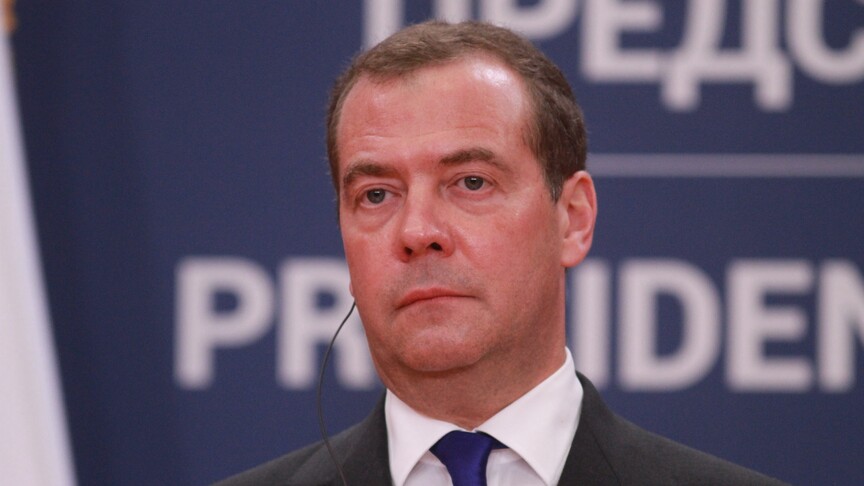
Dmitry Medvedev, Deputy Chairman of the Russian Security Council, confirmed that Iran has tested nuclear weapons, raising questions about regional stability and the diplomatic efforts aimed at easing tensions between Tehran and Washington. In his remarks, Medvedev noted that the current situation remains unclear, making it difficult to predict how the ceasefire between the two sides will evolve.
These statements come at a time when the region is experiencing increasing tensions, with growing concerns over the Iranian nuclear program. Reports about Iran's nuclear tests have sparked fears in many Western capitals, leading to renewed calls for sanctions against Tehran.
Details of the Event
In his remarks, Medvedev did not provide specific details about the nature of the nuclear tests conducted by Iran, but he emphasized that these steps represent an escalation of existing tensions. These statements come at a critical time as major powers seek to resume nuclear talks with Iran, which have been stalled for a long time.
Iran is considered one of the countries with nuclear ambitions, and these ambitions have raised significant concerns in the region. Tehran has previously been accused of working to develop a military nuclear program, which the Iranian government denies, asserting that its nuclear program is peaceful.
Background & Context
Historically, relations between Iran and the United States have been marked by ongoing tensions, especially after Washington's withdrawal from the nuclear agreement in 2018. Since then, the United States has imposed strict economic sanctions on Iran, exacerbating the country's economic and social conditions.
The Strait of Hormuz is one of the most important waterways in the world, through which a significant percentage of global oil exports pass. Therefore, any escalation in military or nuclear tensions in this region could significantly impact global oil markets and regional stability.
Impact & Consequences
The Russian statements regarding Iran's nuclear tests could lead to heightened tensions between Iran and Western countries, potentially hindering diplomatic efforts aimed at resuming nuclear talks. Additionally, these statements may strengthen the position of countries advocating for new sanctions against Iran.
Militarily, these developments could increase tensions in the region, as neighboring countries like Saudi Arabia and Israel may feel threatened by Iran's nuclear program, prompting them to bolster their military capabilities.
Regional Significance
Developments in Iran's nuclear program pose a significant concern for Arab countries, especially amid ongoing tensions in relations between Iran and Gulf states. Any escalation in this context could affect security and stability in the region, necessitating Arab countries to take precautionary measures to address potential threats.
In conclusion, the situation in the region remains volatile, requiring close monitoring by the international community. The Russian statements regarding Iran's nuclear tests may serve as a wake-up call for concerned nations to take urgent steps to ensure regional stability.