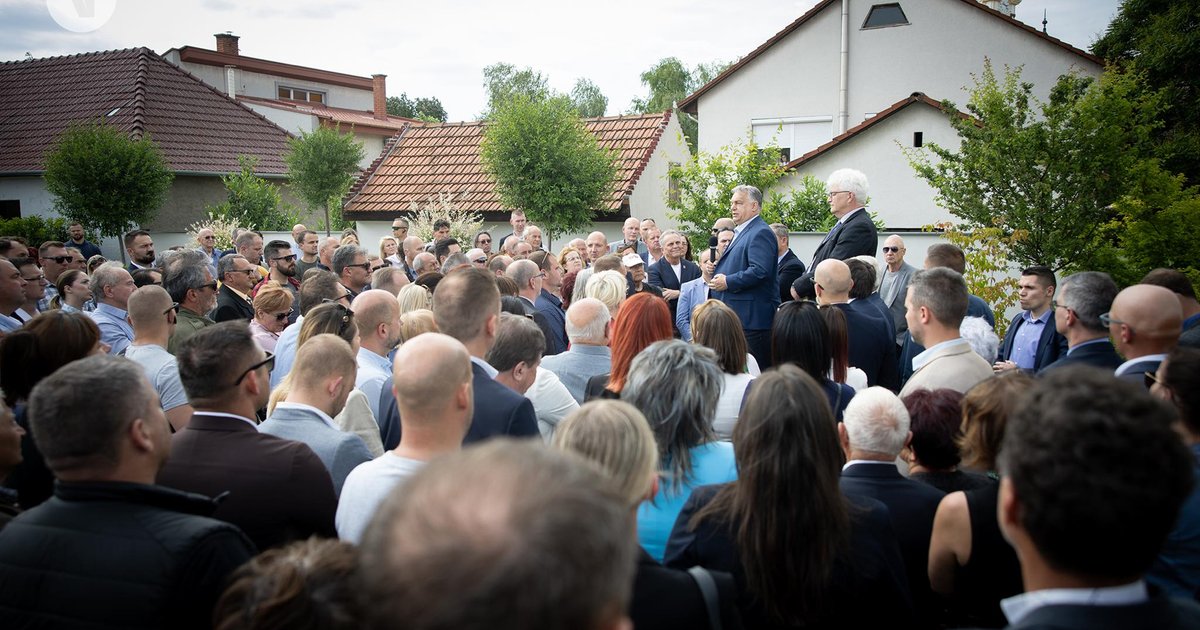
Hungarian Prime Minister Viktor Orbán is focusing on anti-Ukrainian rhetoric as a key part of his election campaign. Moscow appears determined to reward him for this stance. Amid escalating tensions between Russia and Ukraine, Orbán's role as an unexpected ally for Moscow in the heart of Europe is becoming more pronounced.
All eyes are on the upcoming Hungarian elections, where Orbán seeks to bolster his popularity by adopting anti-Ukrainian positions. This approach comes at a sensitive time, as Ukraine grapples with the repercussions of its ongoing war with Russia, complicating the political landscape in the region.
Details of the Event
In the context of his election campaign, Orbán has employed strong rhetoric criticizing Western support for Ukraine. He has pointed out that this support threatens Hungary's national security, reflecting growing concerns among Hungarian voters about the war's consequences. Additionally, Orbán aims to strengthen his ties with Moscow, raising questions about the independence of Hungary's foreign policy.
Orbán's election campaign also includes promises to enhance the national economy, emphasizing the need to maintain trade relations with Russia. This approach seems to garner support from certain business sectors that view cooperation with Russia as an opportunity for economic growth.
Background & Context
Historically, Hungary has been influenced by multiple factors, experiencing significant political transformations since the fall of the communist regime. With its accession to the European Union, Hungary has sought to strengthen its relations with the West. However, it appears that Orbán is now attempting to redirect those relations towards the East, reflecting a shift in foreign policy.
In recent years, relations between Hungary and Russia have increased, with several economic agreements signed. This cooperation reflects Orbán's desire to balance his country's interests with European trends, raising concerns among some observers who believe this could affect Hungary's position within the European Union.
Impact & Consequences
If Orbán succeeds in his re-election bid, it could lead to radical changes in Hungary's foreign policy. Strengthening ties with Russia may influence Hungary's stance on European Union issues. Additionally, this direction could provoke strong reactions from other European countries that support Ukraine.
The elections represent a real test for Orbán, as he must confront both internal and external challenges. If he continues to adopt anti-Ukrainian positions, it could exacerbate tensions in the region, impacting security and stability in Central and Eastern Europe.
Regional Significance
The Arab region is also affected by developments in Europe, as relations between Arab countries and Russia may be influenced by Orbán's policies. If he succeeds in strengthening ties with Moscow, it could open the door for increased cooperation between Russia and Arab states, particularly in the fields of energy and trade.
Ultimately, the upcoming Hungarian elections represent a significant turning point in European politics. It will be crucial to monitor how events unfold and their impact on international relations, including Arab-Russian relations.