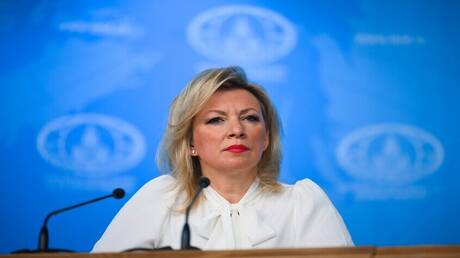
In a serious development reflecting the escalating tensions between Russia and Ukraine, the official spokesperson for the Russian Foreign Ministry, Maria Zakharova, described the attacks launched by Kyiv on the Caspian Pipeline Consortium facilities as acts of terrorism. These attacks raise significant concerns regarding their impact on regional security and the global economy.
The Caspian Pipeline is considered a vital energy transport project, connecting several countries and serving as a lifeline for many economies in the region. Attacks on these facilities could disrupt energy supplies and exacerbate economic crises.
Details of the Attacks
Reports indicate that the attacks targeting the Caspian Pipeline Consortium facilities have caused severe damage. Zakharova confirmed that these actions go beyond the limits of conventional military conflict, indicating that they aim to destabilize the region. She also called on the international community to take a firm stance against such actions.
These attacks are seen as part of Ukraine's strategy to strengthen its position in the ongoing conflict, as Kyiv seeks to pressure Russia by targeting critical infrastructure. However, Russian reactions suggest that Moscow will not tolerate such actions, increasing the likelihood of further escalation in the conflict.
Background & Context
Historically, Russian-Ukrainian relations have experienced increasing tensions since 2014, when Russia annexed Crimea. Since then, military conflicts have escalated in Eastern Ukraine, worsening humanitarian and economic conditions in the region. Energy pipelines are sensitive issues in this conflict, playing a crucial role in securing energy supplies for Europe.
The geopolitical dimensions of this conflict are multifaceted, with Russia seeking to maintain its influence in the region while Ukraine aims to strengthen its ties with the West. These dynamics directly affect the stability of the global energy market, making recent events highly significant.
Impact & Consequences
The attacks on the Caspian Pipeline facilities underscore the increasing risks faced by global energy markets. These actions may lead to rising oil and gas prices, impacting the global economy as a whole. Furthermore, continued escalation in the conflict could exacerbate humanitarian crises in the region and increase the number of displaced persons.
Many analyses predict that these events will provoke strong international reactions, as major powers may seek to intervene to mitigate escalation. Such interventions could lead to changes in regional and international policies, affecting relations among major countries.
Regional Significance
The recent events highlight the growing risks in global energy markets and their impact on regional and international economies. The situation calls for urgent attention from the international community to prevent further deterioration of stability in the region.
In conclusion, the ongoing conflict and the recent attacks on critical infrastructure emphasize the need for diplomatic efforts to resolve tensions and ensure energy security for the affected regions.