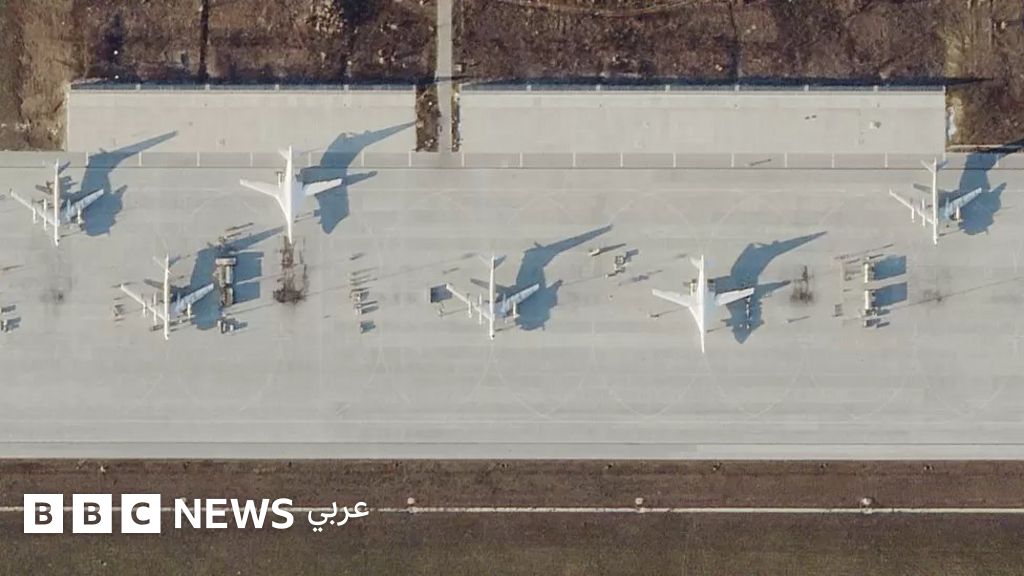
The Russian Ministry of Defense has reported that it successfully shot down around 400 Ukrainian drones during a large-scale nighttime attack, which targeted border regions along with the capital Moscow and the city of Leningrad in the northwest of the country. This attack comes amid a continuous escalation in the conflict between Russia and Ukraine, with both sides experiencing intense attacks over the past twenty-four hours.
In his statements, Ukrainian President Volodymyr Zelensky described the Russian assaults as reflecting 'absolute degradation,' noting that Russia executed an intensive strike using 1,000 drones within a single day. These remarks highlight the growing concern in Ukraine regarding the escalation of military operations, particularly following repeated attacks on critical infrastructure.
Details of the Attack
The recent Russian attack occurs at a sensitive time, as Ukrainian forces continue their efforts to reclaim territories lost since the onset of the conflict. The Russian strikes have targeted strategic areas, indicating an increasing tactic of utilizing drones as part of their military strategy.
Concerns are rising that this escalation may lead to a larger intensification of the conflict, as both sides strive for territorial gains. The use of drones reflects an evolution in military tactics employed by both parties, complicating the situation in the region further.
Background & Context
Since the beginning of the conflict in 2014, relations between Russia and Ukraine have deteriorated significantly, manifesting in a series of military attacks and retaliatory operations. In 2022, the intensity of the conflict escalated dramatically after Russia launched a comprehensive military operation against Ukraine, resulting in a major humanitarian crisis and a refugee situation in the region.
Historically, Ukraine has been considered part of the Russian sphere of influence, but with the evolution of political and economic events, Ukraine has sought to strengthen its ties with the West, increasing tensions with Moscow. This historical background reflects the root causes of the ongoing conflict.
Impact & Consequences
The recent escalation in attacks may have far-reaching implications for regional and international security. The increased use of drones could lead to a new arms race in the region, as other countries seek to develop their military capabilities to counter rising threats.
Moreover, the continuation of the conflict may affect energy prices and global markets, as Russia and Ukraine are among the largest producers of grains and energy. Any escalation in the conflict could lead to disruptions in supplies, impacting the global economy.
Regional Significance
For Arab countries, the escalation in Ukraine may affect food security, as many Arab nations rely on grain imports from Ukraine and Russia. Any disruptions in supplies could lead to rising prices and increased economic pressures.
Additionally, the conflict may influence Arab relations with Russia and the West, as some Arab nations are moving towards strengthening their ties with Russia in energy and trade sectors. Thus, developments in the Ukraine conflict could have direct repercussions on Arab interests in the region.