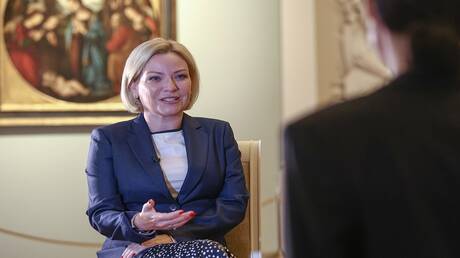
Russian Culture Minister Olga Lyubimova announced the continuation of support for 15 Russian-language theaters in 9 countries until 2026, in a move aimed at enhancing Russian culture abroad. This announcement is part of Russia's efforts to expand its cultural influence and promote the use of the Russian language worldwide.
Through this support, Russia aims to develop artistic performances and cultural facilities, reflecting its commitment to enhancing Russian arts and culture abroad. These theaters have been carefully selected to serve as platforms for disseminating Russian culture and fostering cultural communication between Russia and other countries.
Details of the Initiative
The countries benefiting from this support are diverse, with financial and technical resources allocated to develop theatrical performances and enhance cultural infrastructure. This initiative is expected to contribute to improving the quality of artistic performances, thereby enhancing the status of Russian culture on the international stage.
This step is part of a broader strategy aimed at strengthening cultural relations between Russia and the countries where these theaters are located. This support comes at a time when global culture is undergoing significant transformation, making it essential to promote the Russian cultural identity in various contexts.
Background & Context
Historically, Russia has always sought to promote its culture and language beyond its borders. In recent years, there has been an increase in interest in Russian culture, especially in countries with large Russian communities. This support is part of the Russian government's efforts to enhance its cultural standing in the world, particularly in light of the political and economic challenges it faces.
Moreover, supporting Russian-speaking theaters reflects the importance of the arts in building cultural bridges between peoples. Theater is an effective means of conveying cultural and intellectual messages, contributing to mutual understanding among different cultures.
Impact & Consequences
This support is expected to have a positive impact on the cultural landscape in the beneficiary countries. An increase in theatrical performances in the Russian language will provide a broader audience with the opportunity to enjoy Russian arts, thereby enhancing cultural exchange. Additionally, the development of artistic facilities will lead to improved quality of performances and an increase in the number of cultural events.
Furthermore, this support could contribute to strengthening diplomatic relations between Russia and the beneficiary countries, as culture plays a significant role in building international relationships. Thus, this initiative may open new avenues for cultural and artistic cooperation between Russia and other nations.
Regional Significance
In the Arab region, this support could have a noticeable impact, especially in countries with large Russian communities or strong cultural ties with Russia. Enhancing Russian culture can foster mutual understanding between Arab and Russian cultures, thereby increasing opportunities for cultural and artistic cooperation.
Additionally, Russian arts, including theater, may attract the interest of Arab audiences, enhancing the potential for organizing joint cultural events. Consequently, this initiative could help build cultural bridges between Russia and Arab countries, promoting cultural and artistic exchange.
In conclusion, Russia's support for Russian-speaking theaters abroad represents a strategic step that reflects its commitment to enhancing its culture and language on the international stage. This initiative is expected to contribute to the promotion of Russian arts and culture, thereby strengthening its position in the world.