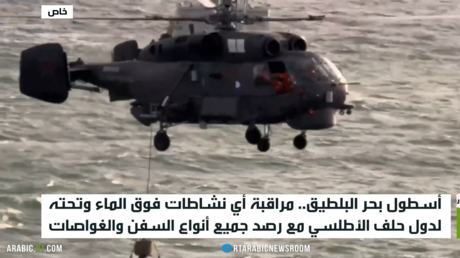
Moscow has issued a warning to the Baltic states regarding the consequences of permitting their airspace to be utilized for attacks on Russian territory. This warning emerges at a time when the region is experiencing escalating tensions between Russia and NATO, raising concerns about a potential military escalation.
The Baltic states, which include Lithuania, Latvia, and Estonia, are members of NATO and have enhanced their military cooperation with the alliance in recent years. Russia has repeatedly emphasized that it will not tolerate any violation of its airspace, further intensifying tensions in the region.
Details of the Warning
In official statements, the Russian Ministry of Defense indicated that the use of Baltic airspace by NATO could lead to severe consequences. It pointed out that any attack on Russian territory would be met with a strong response. These warnings come at a time when NATO's military activities near the Russian border are increasing, causing further anxiety in Moscow.
Russia also added that any escalation in military activities could result in unpredictable reactions, placing the region in a state of concern and anticipation. Moscow has urged the Baltic states to think carefully before taking any steps that could escalate the situation.
Background & Context
Historically, relations between Russia and the Baltic states have been tense, especially following these countries' accession to NATO in 2004. Since then, Russia has increased its military presence in the region, raising fears of military escalation. In recent years, the area has witnessed numerous military maneuvers from both sides, further heightening tensions.
The Baltic states are considered strategic points in the context of European security, as Russia seeks to bolster its influence in the region. Conversely, the Baltic states aim to strengthen their defenses through cooperation with NATO, complicating the security situation in the area.
Impact & Consequences
Russian warnings could escalate tensions in the region, negatively impacting European security. If NATO's military activities continue near the Russian border, Moscow may respond with additional military measures, increasing the risk of military conflict.
These tensions may also affect economic relations between Russia and the Baltic states, potentially leading to reciprocal economic sanctions. Should the situation escalate, it could impact economic stability in the region, adversely affecting the lives of citizens.
Regional Significance
The developments in the Baltic region are of significant importance to the Arab world, as they reflect tensions between major powers. These tensions may influence the foreign policies of Arab states, particularly those seeking to strengthen their relations with Russia or NATO.
Moreover, any military escalation in Europe could have indirect effects on regional security in the Middle East, necessitating that Arab states closely monitor the situation and adapt to geopolitical changes.
In light of the increasing tensions between Russia and the Baltic states, the situation in the region remains under scrutiny. All concerned parties must work towards de-escalating tensions and avoiding any escalation that could lead to severe consequences.