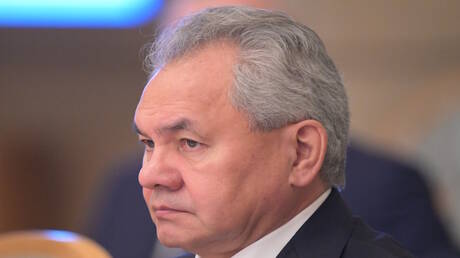
Sergey Shoigu, Secretary of the Russian Security Council, confirmed that Russia cannot dismiss the possibility of nuclear weapons appearing in the Asia-Pacific region. He noted that the militarization of this area could contribute to increasing tensions, raising concerns about regional stability.
These statements from Shoigu come as military activities in the region intensify, with the Asia-Pacific witnessing significant military maneuvers from several countries. These activities include joint military exercises and an increase in troop numbers, which raises fears of a potential arms race.
Details of the Event
In his remarks, Shoigu clarified that Russia is closely monitoring developments in the Asia-Pacific region, where military activities by the United States and its allies are on the rise. He emphasized that these activities could exacerbate the situation, necessitating precautionary measures from Russia.
He also pointed out that the militarization of the region could lead to heightened tensions, threatening both regional and international security. Shoigu highlighted that Russia will remain committed to protecting its national interests in the face of any potential threats.
Background & Context
Historically, the Asia-Pacific region has been a theater of military tensions among major powers. In recent years, the United States has increased its military presence in the area, provoking reactions from China and Russia. These dynamics reflect the escalating struggle for influence in the region, with each nation seeking to enhance its military capabilities.
In recent years, the region has seen a surge in military activities, including nuclear tests by North Korea, which have complicated the situation further. These activities raise concerns within the international community as major powers strive to balance power and influence.
Impact & Consequences
Shoigu's statements may lead to increased tensions among major powers in the region, which could negatively impact regional security. If the militarization of the area continues, it could result in an arms race, threatening global stability.
These remarks serve as a warning from Russia regarding the potential risks that may arise from military escalation. They also reflect Russia's concerns about possible threats to its national security, which may lead to additional precautionary measures.
Regional Significance
The Arab region is indirectly affected by the tensions in the Asia-Pacific, as these events could lead to changes in international policies. Amid rising tensions, Arab countries may seek to strengthen their relations with major powers to ensure their security and stability.
Furthermore, any escalation in the region could impact oil prices and global markets, reflecting on the Arab economy. Therefore, monitoring developments in the Asia-Pacific is crucial for Arab nations.