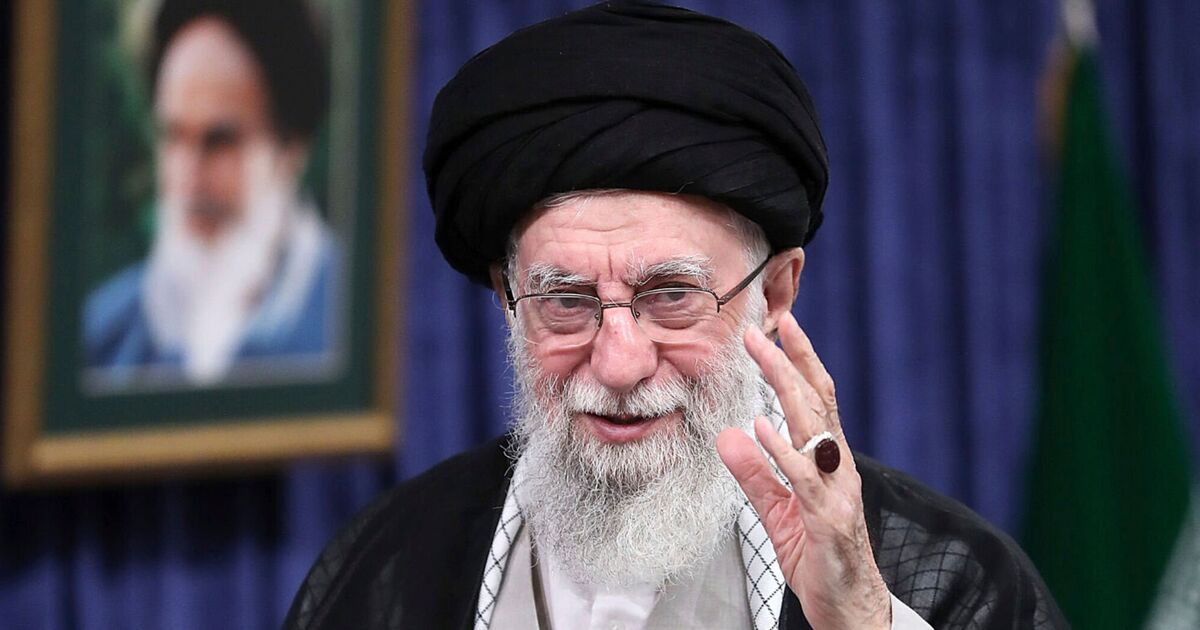
The Russian ambassador to Iran confirmed on Tuesday that Iranian Supreme Leader Mojtaba Khamenei is present in the country but is avoiding public appearances for understandable reasons. These statements come at a time when speculation about Khamenei's health is rising, with reports from the United States suggesting that he may have sustained injuries that could affect his appearance.
These remarks from the Russian ambassador, reported by the RTI news platform, serve as a confirmation of the close ties between Russia and Iran, especially amid the tense political situation in the region. News regarding Khamenei's health has raised widespread concern, as the Supreme Leader is seen as a symbol of power and influence in Iran.
Details of the Situation
Rumors regarding the health condition of Mojtaba Khamenei are increasing, with reports indicating that he may have suffered physical injuries. The United States has shown particular interest in this matter, with American sources suggesting that Khamenei may have experienced disfigurements. This information comes at a sensitive time for Iran, which is facing multiple internal and external challenges.
Despite his absence from public view, Khamenei still enjoys significant support from the Iranian regime. Observers have noted that his absence could be a strategy to avoid any pressure or criticism at this time.
Background & Context
Historically, Iran has witnessed significant changes in its leadership, with Khamenei being one of the most prominent figures who has shaped Iranian politics since the Islamic Revolution in 1979. Khamenei has held the position of Supreme Leader since 1989, making him one of the longest-serving leaders in the region.
The relationship between Russia and Iran is strategic, with both countries signing partnership treaties in various fields, including defense and energy. These relations have strengthened in recent years, especially amid tensions with the United States and its allies.
Impact & Consequences
Khamenei's absence from the political scene could affect internal stability in Iran. His presence in power is considered a crucial factor in maintaining the balance of power within the regime. If his health continues to deteriorate, it could lead to internal conflicts over who will succeed him.
Moreover, these developments may impact Iran's foreign policy, especially amid ongoing tensions with the United States and Western countries. Any change in leadership could alter the balance of power in the region and affect Iran's military and economic strategies.
Regional Significance
Iran is a key player in regional politics, directly influencing many Arab countries. Any changes in Iranian leadership could lead to a reassessment of relations between Iran and Arab states, particularly those experiencing tensions with Tehran.
Additionally, Khamenei's health situation may raise concerns among Iran's allies in the region, such as Hezbollah in Lebanon and the Houthis in Yemen, who rely on Tehran's support in their conflicts. Therefore, monitoring developments regarding Khamenei's health will be crucial for understanding the future of Iranian politics and its impact on the region.
The current situation of Mojtaba Khamenei raises many questions about the future of Iran, as his absence from public appearances remains a significant point of interest. With close ties to Russia and various internal and external challenges, all eyes will remain focused on Tehran.