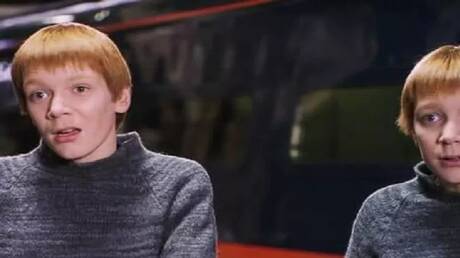
In a recent survey, Russian readers selected the twins from 'Harry Potter', Carlson, and Ostap Bender as the funniest literary characters of all time, highlighting their impact on Russian culture.
These characters are considered an integral part of both Russian and global literature, embodying humor and imagination, which makes them beloved across different generations. The poll conducted by a Russian cultural institution revealed that these characters are not only cherished but also represent a symbol of joy and innovation in literature.
Details of the Survey
The survey was based on the opinions of a wide range of readers, with characters chosen based on their humorous impact and ability to capture readers' attention. The twins from 'Harry Potter', created by British author J.K. Rowling, are seen as a symbol of fantasy and adventure, while Carlson, the famous character from Swedish literature, embodies humor and fun. Ostap Bender, the beloved character from Ilf and Petrov's novels, symbolizes intelligence and wit in Russian literature.
The survey shows that these characters continue to maintain their significant popularity, as many readers associate them with fond memories of their adventures. Additionally, these characters reflect various aspects of Russian culture, making them a point of interest for many generations.
Context and Background
The history of Russian literature is filled with unique characters that have left a mark on the hearts of readers. Through this survey, we can see how literature still plays an important role in shaping culture and society. The selected literary characters reflect the diversity of Russian literature and its impact on readers, highlighting the importance of literature in everyday life.
Literary characters are part of the cultural heritage, contributing to the formation of national identity and strengthening social bonds. At a time when literature faces new challenges, the influence of these characters remains strong, reflecting literature's ability to adapt to the changes of time.
Impact and Consequences
This survey could have a significant impact on the literary and cultural industry in Russia. The selection of these popular characters reflects readers' desire to enjoy literature that combines humor and fantasy. Furthermore, this survey may encourage new writers to draw inspiration from these characters, fostering innovation in literature.
Moreover, this survey could contribute to enhancing reading among the youth, as humorous characters can be appealing to them. By promoting reading, literature can help develop language and cognitive skills among new generations.
Impact on the Arab Region
Although the selected characters belong to Russian literature, their influence can extend to the Arab region. Literature, as a means of expressing culture and identity, can contribute to fostering mutual understanding between different cultures. These literary characters can inspire Arab readers to explore and engage with Russian literature, enhancing cultural exchange.
Additionally, interest in humorous literary characters may encourage Arab writers to develop similar characters that reflect their culture and history, thereby enriching literary diversity in the region.
In conclusion, literature remains a powerful means of communication and self-expression, and the literary characters chosen in this survey reflect the importance of humor and imagination in life. Promoting reading and engagement with literature can contribute to building a rich and diverse cultural community.